The Shopping Revolution: From Transaction to Ritual
From pop‑ups to vintage markets, shopping has become a quest for meaning, experience, and identity. Discover the forces reshaping retail.

The Quiet Transformation of How We Buy
Shopping is no longer just about acquiring things. It is undergoing a structural shift from buying more to buying better, from anonymous transactions to emotionally resonant experiences. This "revolution of shopping" unfolds across pop‑ups, Instagram‑native brands, flea markets, travel itineraries, vintage stores, concept shops, craft markets, fashion exhibitions, and a growing preference for fewer but more distinctive possessions. At its core, retail is being rebuilt around meaning, identity, and community.
Retail as Experience, Not Errand
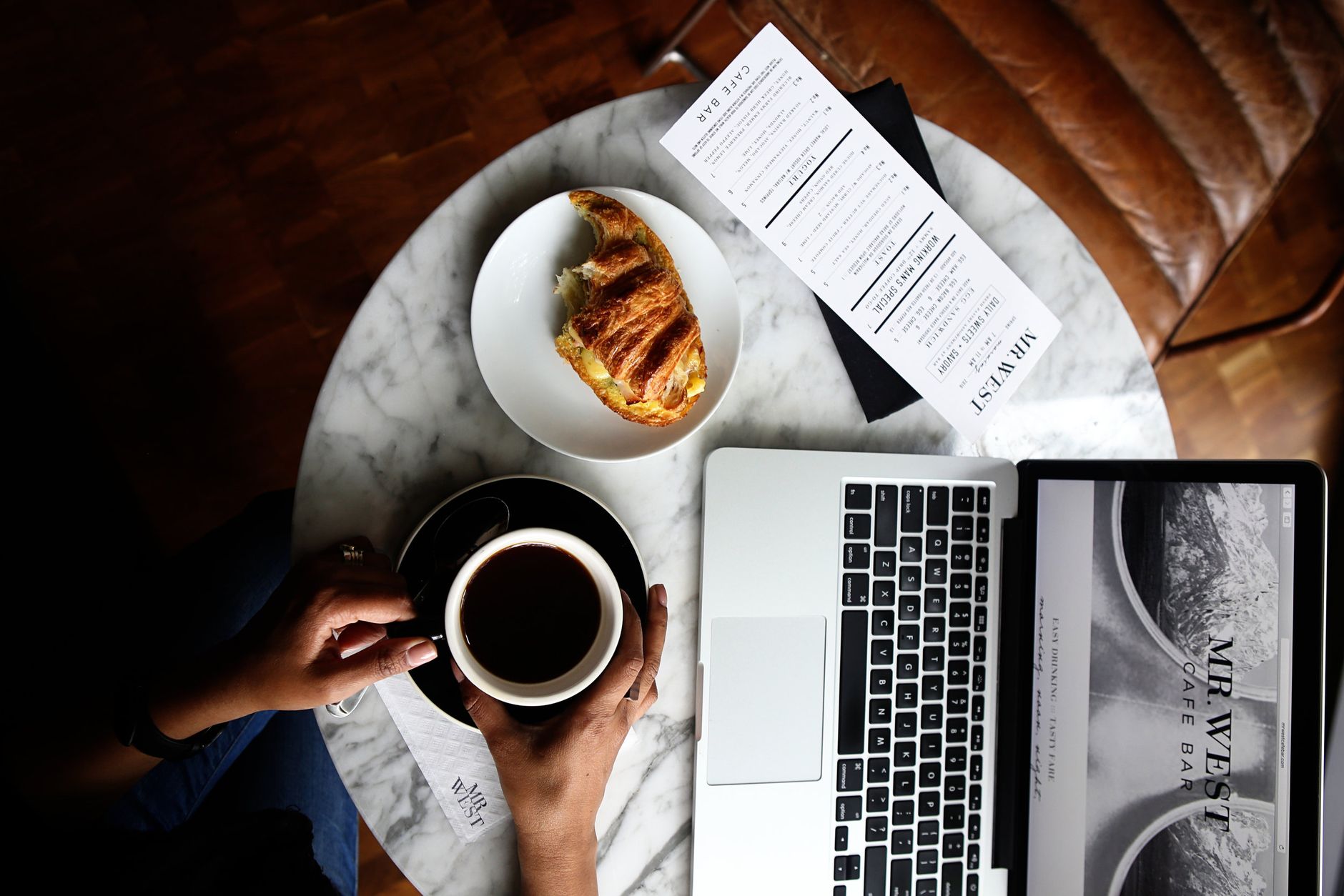
Physical stores are transforming into immersive destinations. The experiential retail market—valued at over $130 billion—is projected to more than quadruple in the next decade. Shoppers today expect more than shelves; they want multi‑sensory environments, events, and shareable moments. Malls are adding art installations, workshops, and community spaces to compete with the convenience of e‑commerce. This shift turns a routine errand into a cultural outing, giving people a reason to leave the screen.
Pop‑Ups: The Thrill of the Temporary
Pop‑up shops have moved from novelty to mainstream. Temporary retail generates tens of billions annually, driven by urgency, exclusivity, and Instagram‑ready design. Because they are here today and gone tomorrow, pop‑ups create a fear of missing out that pulls shoppers through the door. Brands also use them to test markets, launch collaborations, and appear deeply embedded in local culture rather than as distant chains. For consumers, a pop‑up visit feels like a discovery, not a chore.
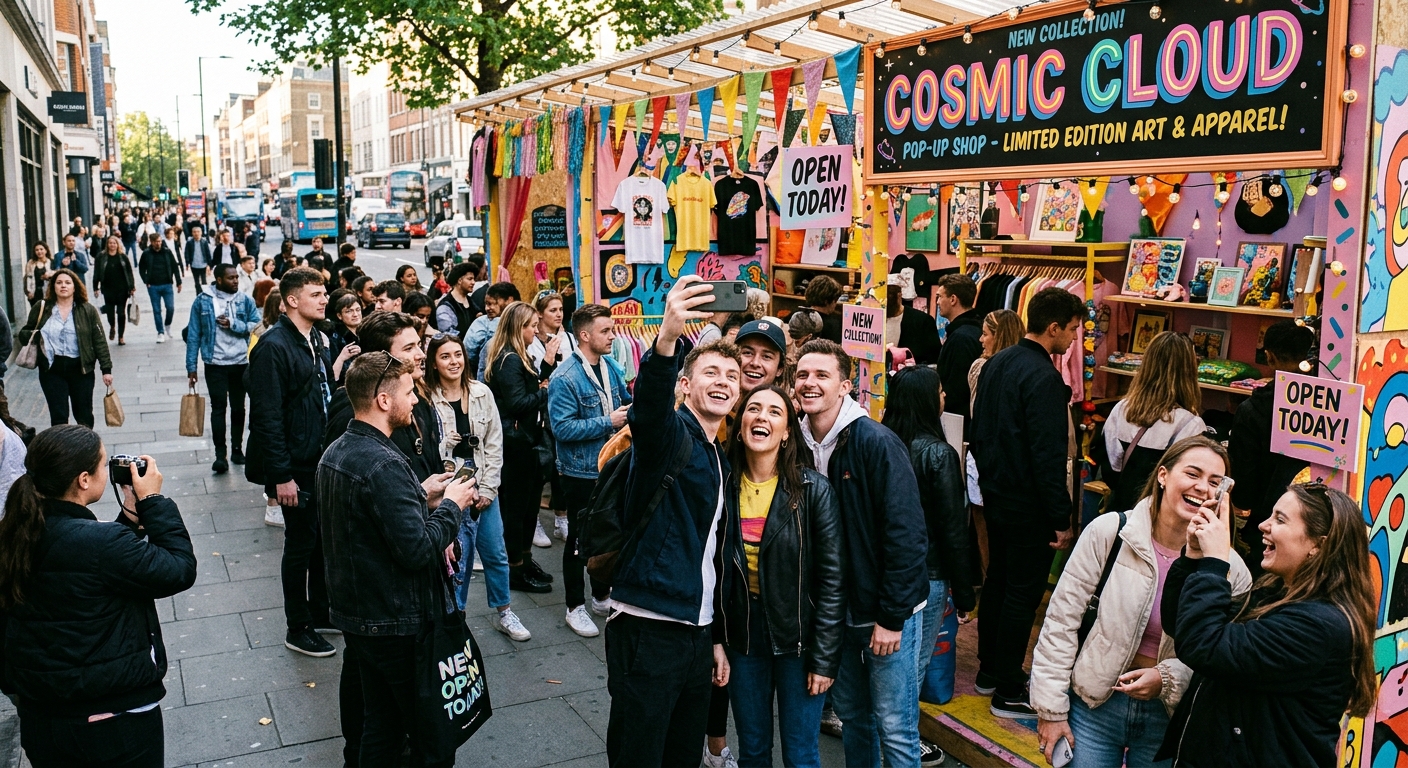
Pop‑up shops turn shopping into an event.
Instagram Brands and the Social Storefront
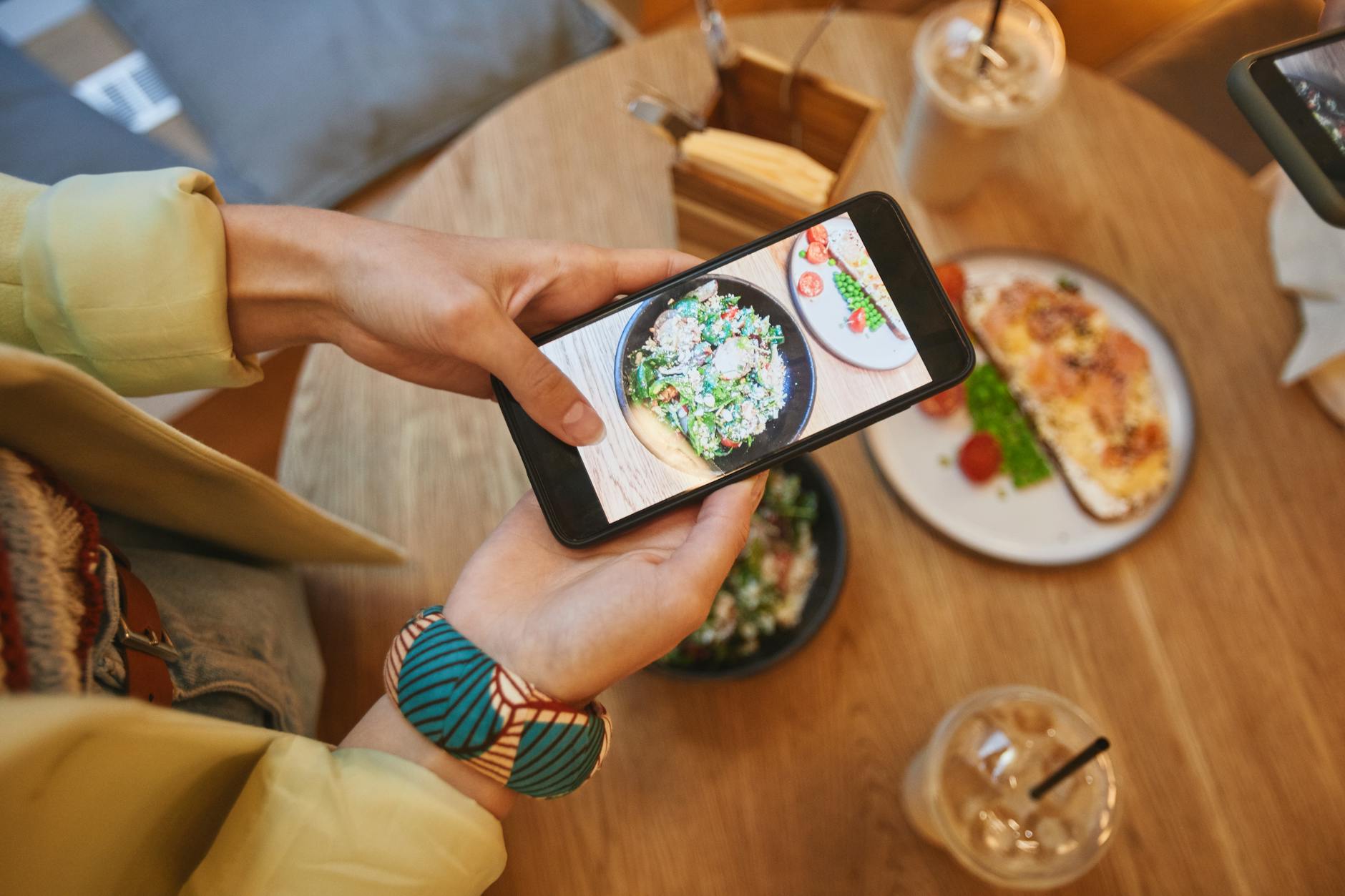
Social platforms, especially Instagram, have become full shopping ecosystems. More than 130 million users tap product tags each month, and over 70 percent of active users engage with shopping features. Brands build tight aesthetics, share behind‑the‑scenes stories, and turn followers into customers with a single tap. This collapse of the funnel—from inspiration to purchase in seconds—has given rise to countless micro‑brands that thrive on community, authenticity, and visual identity rather than mass advertising.
The Secondhand Surge: Thrift, Vintage, and Flea Markets
Secondhand is no longer a subculture; it is a global growth engine. The global secondhand apparel market is on track to surpass $240 billion, growing much faster than mainstream fashion. Thrift stores, vintage boutiques, and flea markets have been propelled by inflation, sustainability concerns, and a cultural shift that makes pre‑loved cool. Shoppers enjoy the treasure‑hunt aspect and the chance to own one‑of‑a‑kind pieces. In the U.S. alone, thrift store sales nearly doubled in five years, while traditional apparel visits declined.
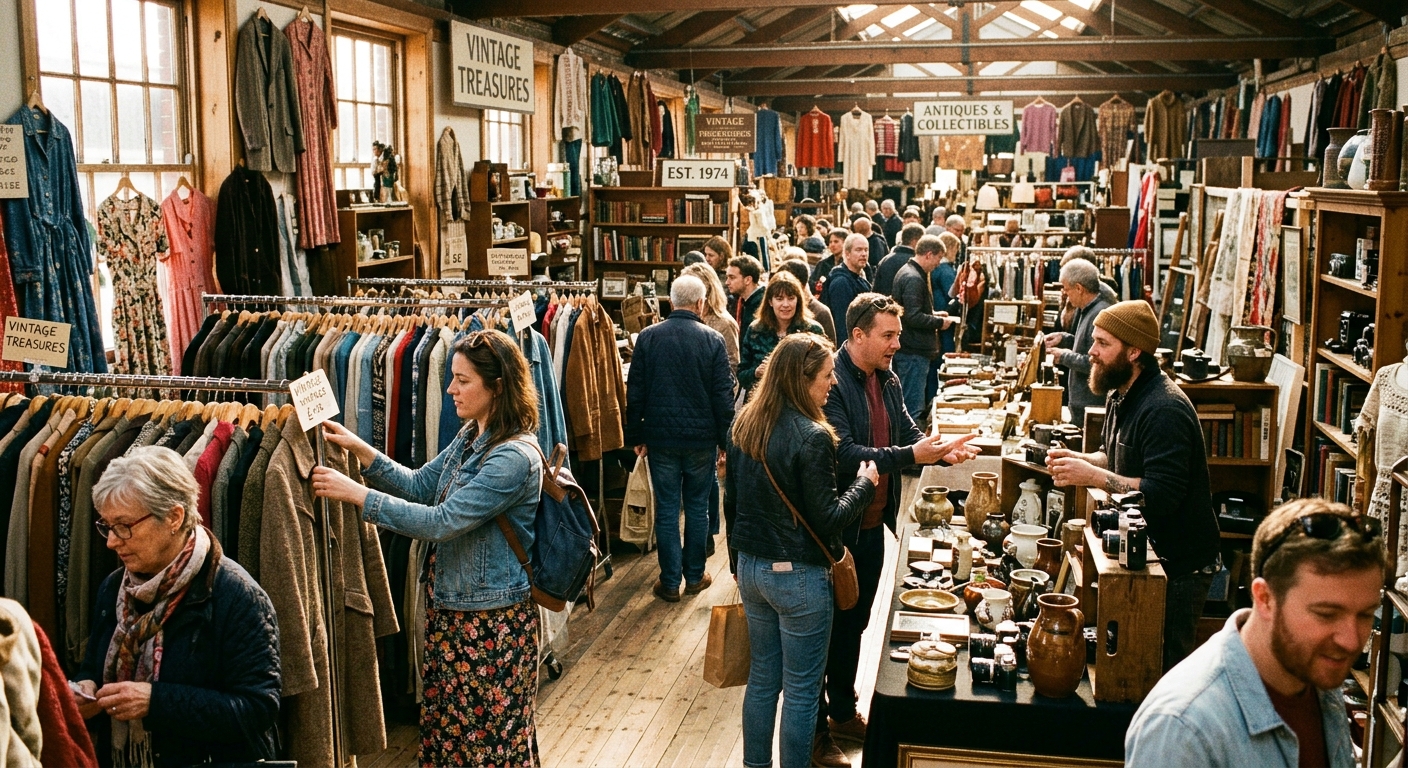
Flea markets offer treasure‑hunt thrills and unique finds.
Curated Multi‑Brand Stores: A Filter in a World of Noise
Choice overload has given rise to the concept store—a carefully edited selection of fashion, design, and lifestyle goods unified by a distinct aesthetic. Unlike department stores, these spaces tell a story. They often integrate cafés, galleries, or workshops, making them social hubs as much as retail. By offering a focused, trustworthy lens, curated retail helps consumers navigate overwhelming options and signals a particular taste or identity. For emerging designers, such stores become a launchpad into a wider audience.
Craft, Provenance, and the Price of a Story
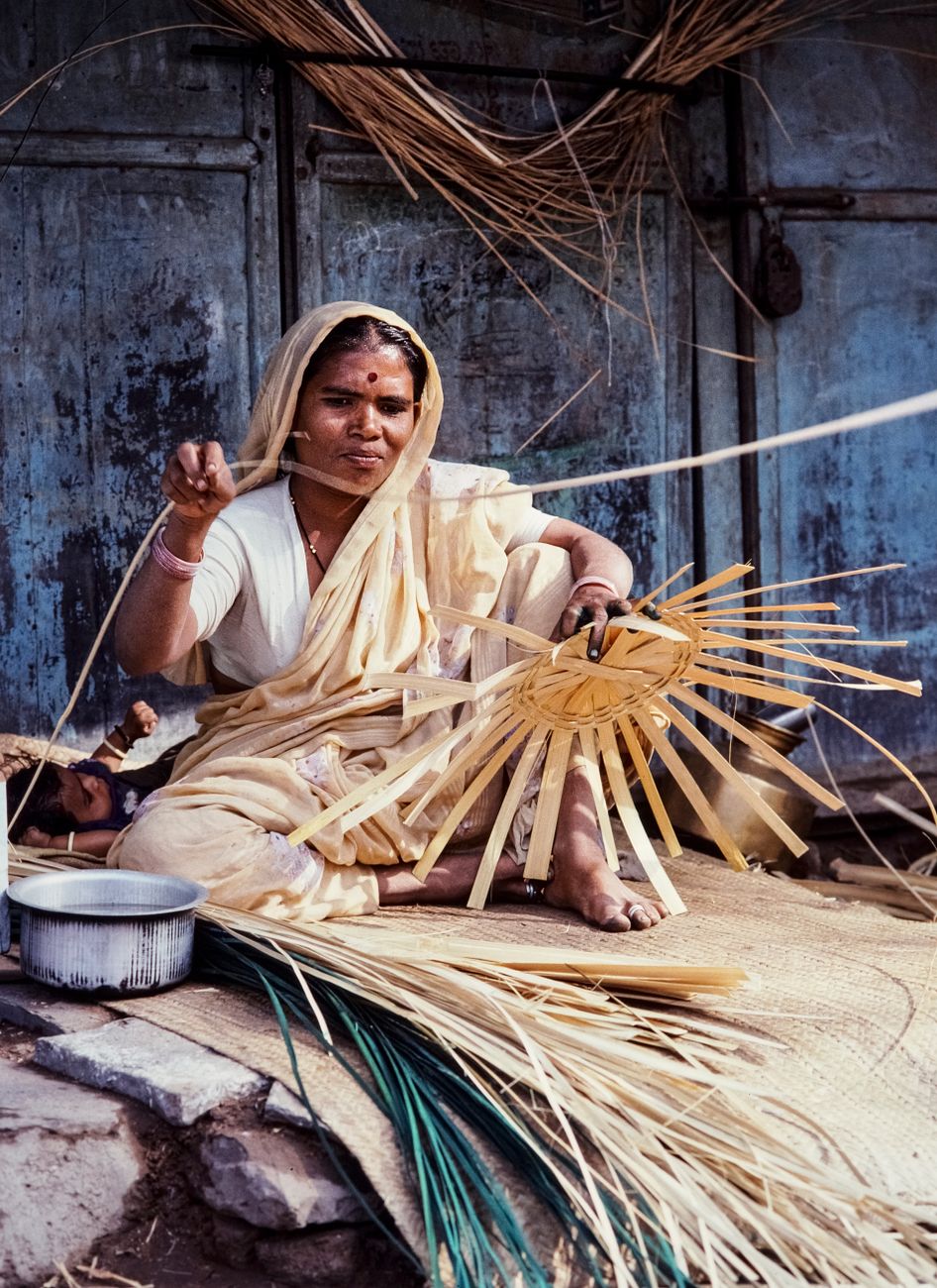
Handmade and artisanal goods are enjoying a renaissance. The global handicrafts market is valued at roughly three‑quarters of a trillion dollars, and surveys show that a majority of millennials are willing to pay a premium for verifiable artisan credentials. Consumers are drawn to the narrative behind an object—the maker, the region, the tradition. Provenance has become a form of currency: it offers proof that a purchase is authentic, ethically made, and rich in human touch, setting it apart from mass‑produced sameness.
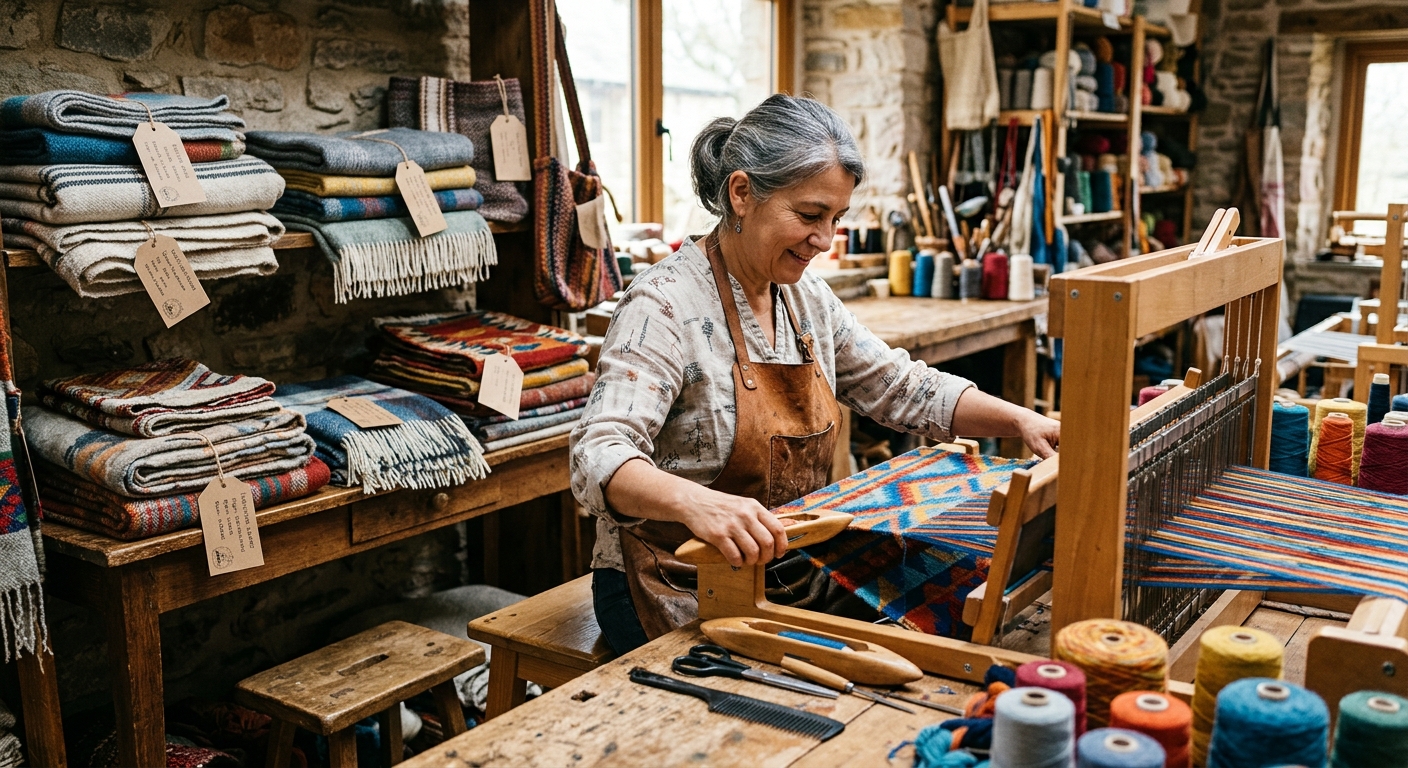
Provenance and human touch add value to artisanal products.
Fashion Exhibitions and Trunk Shows as Social Rituals
Fashion has moved from the runway to the museum, and attendance numbers rival fine art blockbusters. Millions of visitors have queued for exhibitions at the Met, the V&A, and the Louvre, turning couture into a shared cultural event. At the same time, trunk shows—intimate, often invitation‑only previews—offer exclusive access to new collections. Both formats mix commerce with community, giving shoppers a sense of participation in a rarefied world. The experience is amplified by social media, where attendees broadcast their presence and style.
Fewer, but More Distinctive: The Minimalist Shift
A growing number of consumers, particularly those aged 25 to 40, are choosing quality over quantity. Research shows 42 percent now prioritize quality when buying, up 15 points since 2020. This "mindful minimalism" is not about deprivation; it is about intentionality. People seek objects with quiet distinction—well‑made, subtly unique, and free of loud logos. The logic is both economic and ethical: in an era of climate anxiety, buying one perfect coat or one timeless bag feels smarter than accumulating fast fashion.
Shopping Tourism: Traveling for Bags and Experiences
Travel and shopping have fused into a powerful global trend. The shopping tourism market is estimated at over $250 billion, with millions of travelers now planning trips around outlet villages, flagship boulevards, and culturally specific markets. Airports, malls, and destination marketing boards increasingly design retail experiences that blend gastronomy, entertainment, and duty‑free perks. For many, the souvenir is no longer a trinket but an entire wardrobe or a home‑decor piece that embodies the memory of the journey.
Where the Revolution Leads Next
Shopping is being re‑enchanted. Across pop‑ups, social feeds, thrift racks, and museum halls, the common thread is a search for meaning. People still spend, but they want objects that come with a story, spaces that feel alive, and purchases that reflect who they are. The future of retail lies not in piling up more stuff but in curating fewer, richer experiences—both online and off. The question is no longer "What did you buy?" but "What did it feel like to buy it?"
Sources
Frequently Asked Questions
Why are pop‑up shops so popular now?
Pop‑ups create urgency and novelty through limited‑time presence. They offer unique, Instagram‑worthy environments that turn shopping into an event. Brands also use them to test new markets and connect directly with local communities.
Why do people buy from Instagram brands?
Instagram integrates discovery and purchase seamlessly. Shoppable posts, social proof from peers, and tightly curated aesthetics make it easy to find and buy from niche brands. Over 70% of Instagram users say the platform helps them research or shop products.
Why are flea markets and thrift stores making a comeback?
Inflation, sustainability awareness, and a cultural shift toward individuality have revived secondhand shopping. Consumers enjoy the hunt for one‑off pieces at lower prices, and Gen Z in particular has made thrifting a mainstream, cool activity.
Why are people traveling just to shop?
Shopping tourism combines retail with cultural and entertainment experiences. Flagship stores, outlet villages, and tax‑free incentives make a shopping trip feel like a full vacation. The market is worth hundreds of billions, driven by global mobility and the desire for unique local goods.
Why are consumers buying fewer but more distinctive things?
A movement toward mindful minimalism encourages quality over quantity. About 42% of mid‑life consumers now prioritize quality purchases. People seek items that express quiet distinction—well‑made, original pieces that last and align with personal values, avoiding excess.