
Raj Mandir at 50: Jaipur’s Iconic Cinema Celebrates Golden Jubilee
Raj Mandir Cinema in Jaipur marks 50 years with free classic film screenings, nostalgic journeys, and Bollywood premieres. Discover its history, architectural marvel, legendary film runs, and how it became India's most famous single-screen theatre.
A City Pauses to Celebrate: Free Films and Festive Cheer
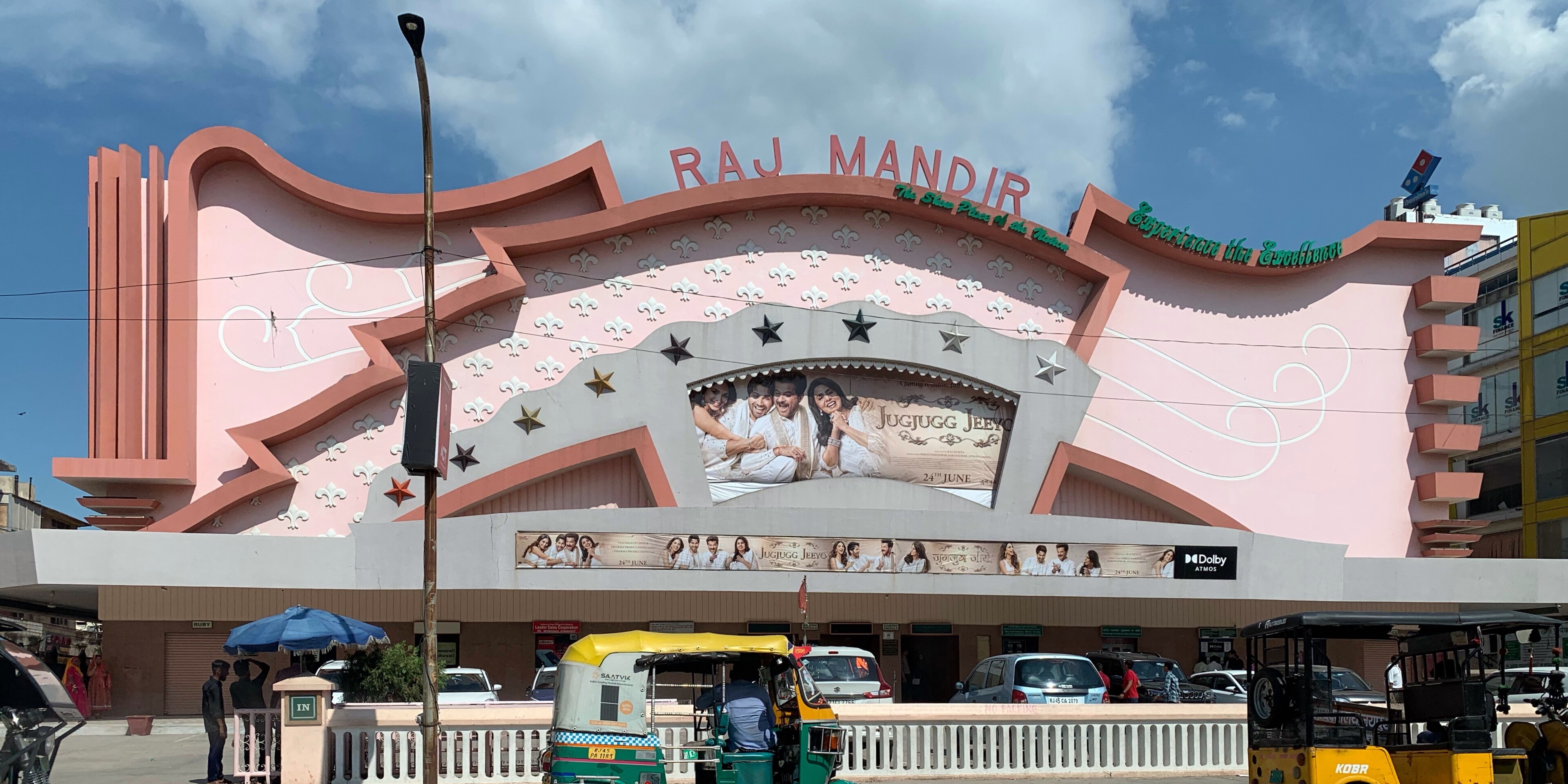
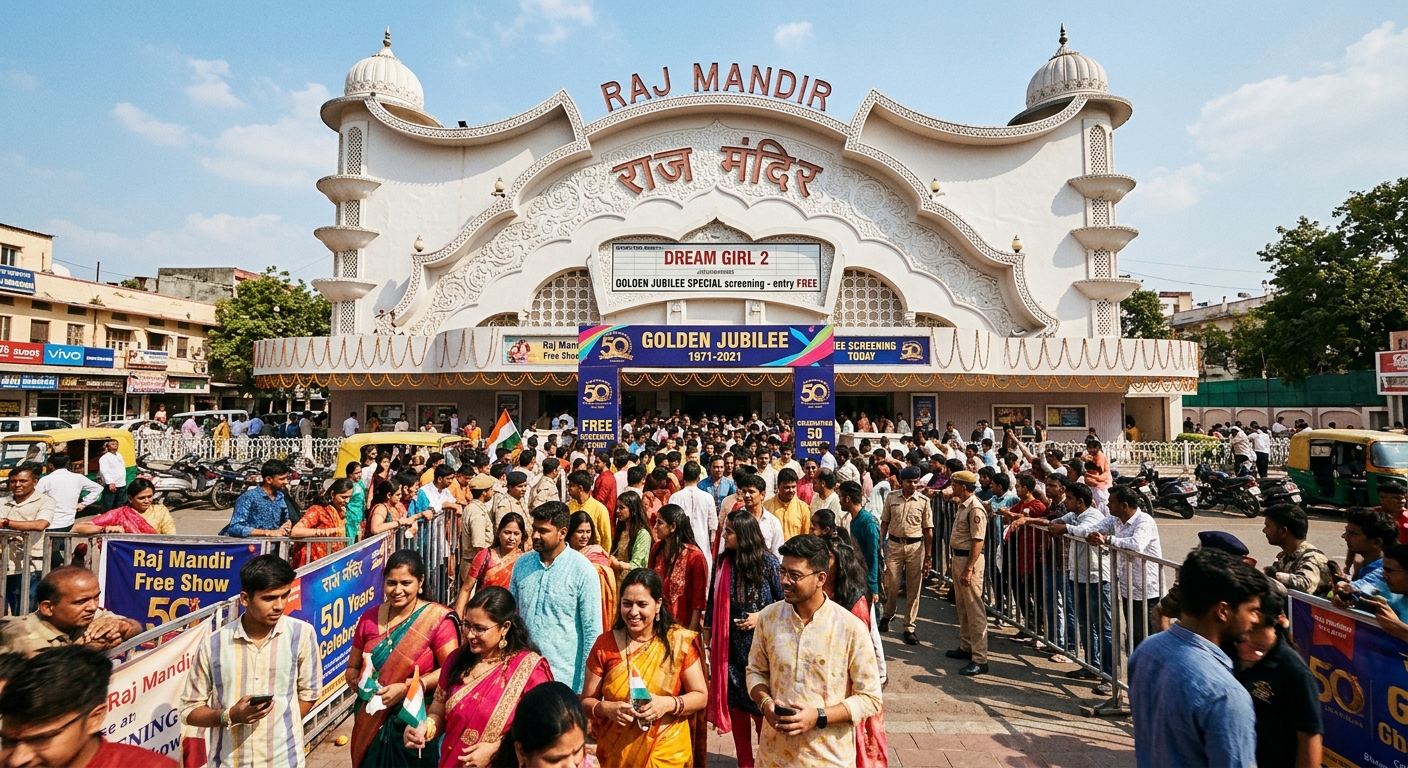
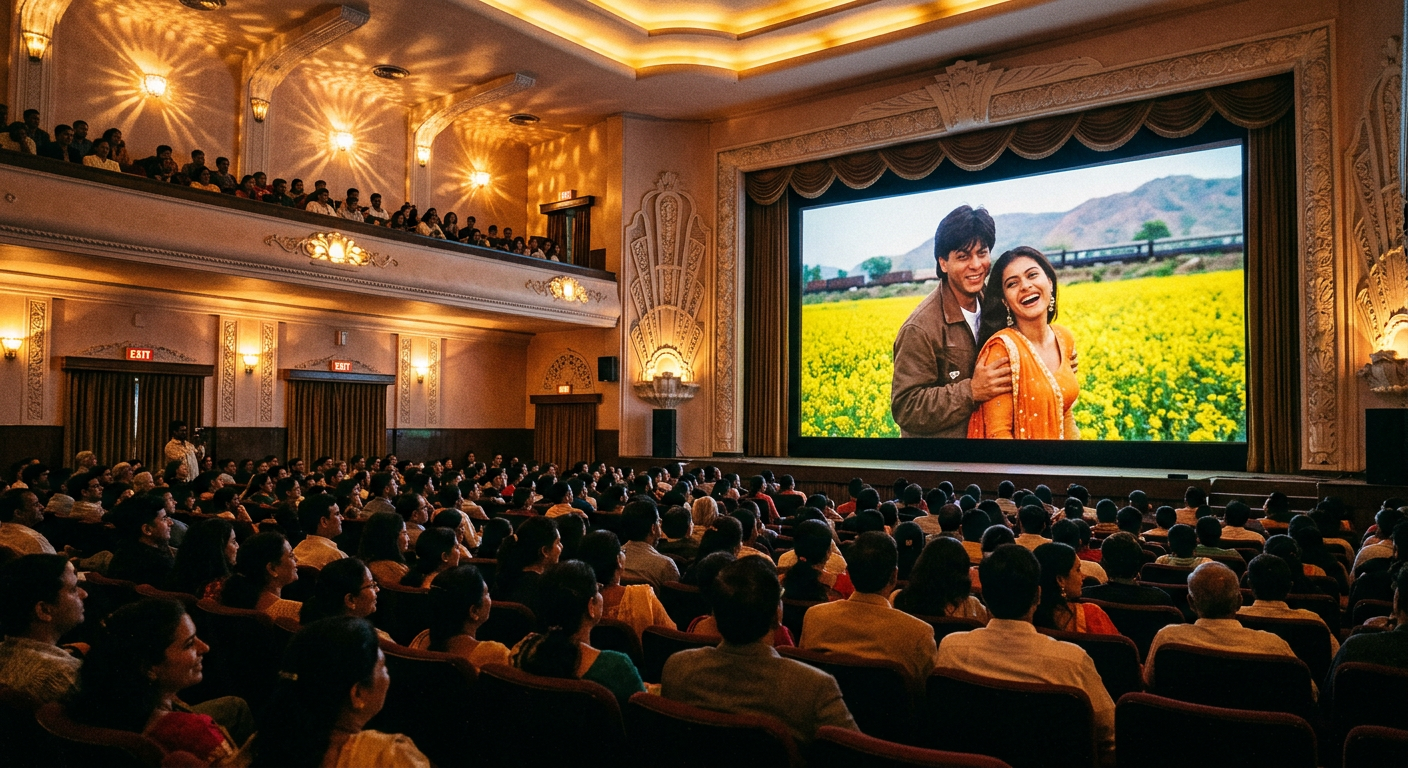
On 1 June 2026, Jaipur’s heart beat to the rhythm of nostalgia as the iconic Raj Mandir Cinema threw open its doors for complimentary screenings of classic Hindi films, marking 50 years since its opulent opening in 1976. The air buzzed with excitement as cinephiles, young and old, queued up to relive blockbuster magic inside the meringue-shaped hall that has become synonymous with the Pink City’s cultural identity. Tickets, distributed free through BookMyShow and the theatre’s box office on a first-come, first-served basis, vanished within moments, underscoring the deep emotional bond the city shares with this single-screen marvel.
A Curated Cinematic Journey: Five Films, Five Eras
The golden jubilee showcase was a carefully curated trip through Hindi cinema’s most cherished decades. The day’s schedule, as reported by Bollywood Hungama, read like a film lover’s dream: Hrishikesh Mukherjee’s gentle comedy ‘Chupke Chupke’ (1975) at 8 a.m., followed by the eternal family saga ‘Hum Aapke Hain Koun..!’ (1994) at 11 a.m., Raj Kapoor’s melodious classic ‘Ram Teri Ganga Maili’ (1985) at 3 p.m., the evergreen romance ‘Dilwale Dulhania Le Jayenge’ (1995) at 6:30 p.m., and finally, Zoya Akhtar’s coming-of-age hit ‘Zindagi Na Milegi Dobara’ (2011) at 10:30 p.m. Each film was chosen for its historic connection to the hall—none more poignant than DDLJ, which missed its 1995 Raj Mandir run but finally found its home here, and ‘Chupke Chupke,’ which made its grand debut at the theatre on its 50th birthday.
From 1976 to Icon: The Birth of a Legacy
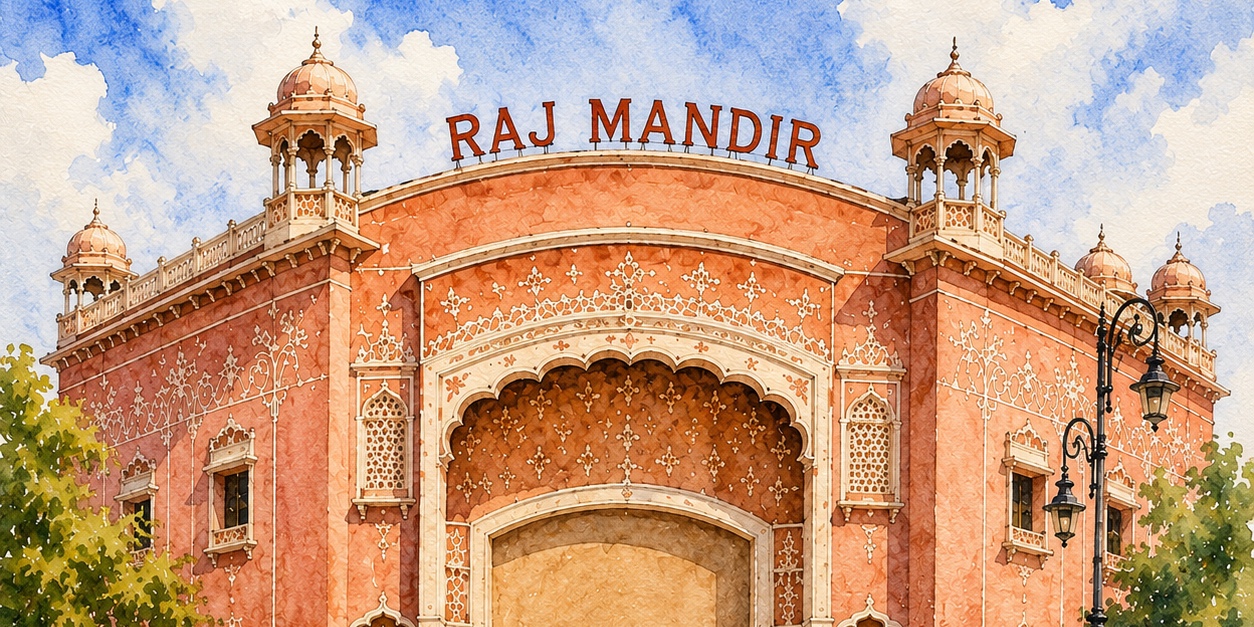
Raj Mandir Cinema opened on 1 June 1976, inaugurated by Rajasthan Chief Minister Hari Dev Joshi. The first film to light up its screen was ‘Charas,’ starring Dharmendra and Hema Malini. Located on Bhagwan Das Road near M.I. Road, the theatre was envisioned as a luxury destination that would redefine movie-going in India. From day one, it succeeded—NDTV notes that Raj Mandir’s opulent interiors and palatial ambience made a trip to the movies feel like a royal outing, setting a standard that few single-screens could ever match. Over five decades, the hall has evolved from a local cinema to a city icon, as revered by tourists as Jaipur’s forts and palaces.
A Palace of Dreams: The Meringue-Shaped Marvel
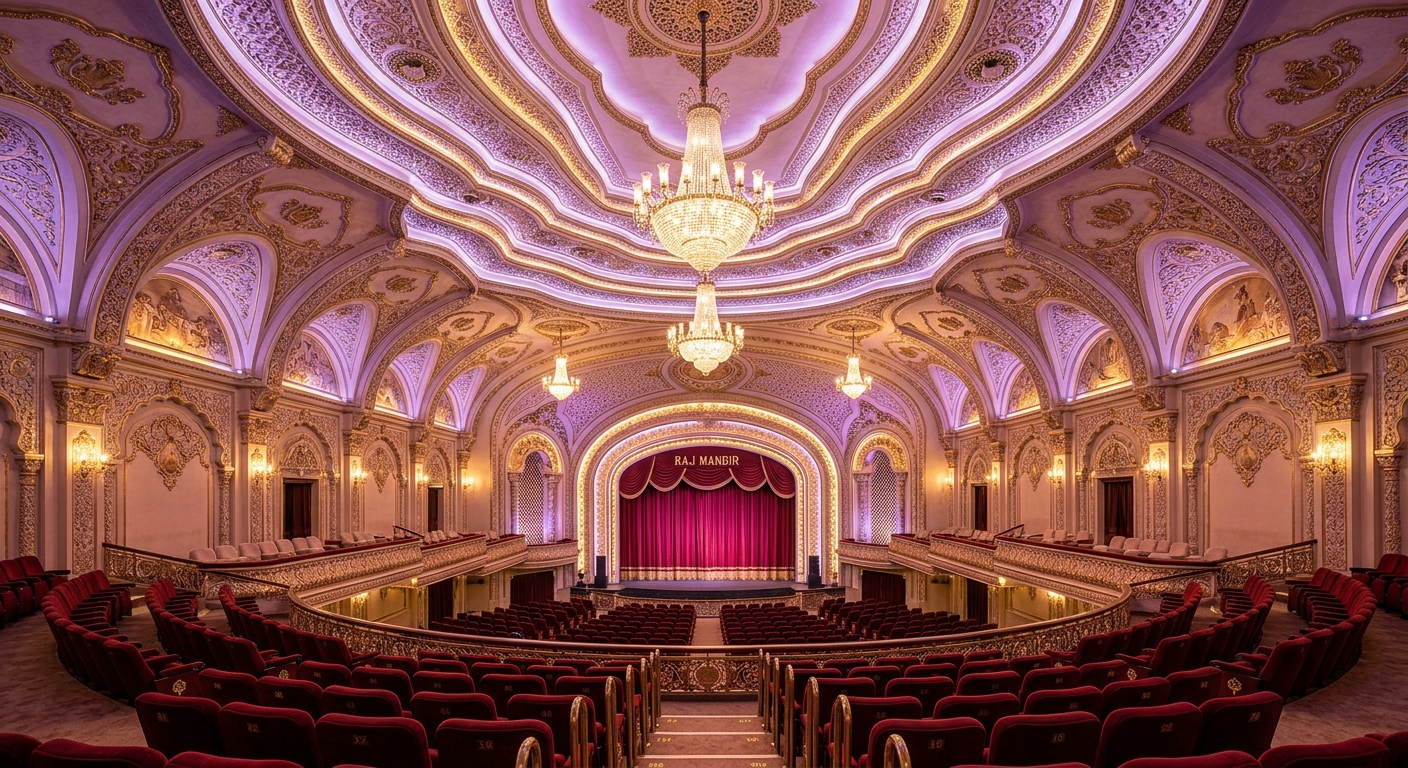
Step inside Raj Mandir and you understand why it remains India’s most famous single-screen cinema. The auditorium’s distinctive meringue-shaped design, complemented by chandeliers, dramatic lighting, and plush seating, creates an atmosphere that elevates cinema to a celebration. For generations of Jaipur residents, the hall is not merely a place to watch a film—it is a repository of first dates, family outings, and collective gasps during unforgettable climaxes. Even in an age of multiplex comfort, the sheer scale and grandeur of Raj Mandir’s 1,300-seat hall offer an immersive communal experience that smaller screens rarely replicate.
The Runs That Built a Legend: 525 Days of Magic
Raj Mandir’s folklore is inseparable from the blockbuster films that ran for months, sometimes over a year. Bollywood Hungama’s retrospective reveals staggering numbers: ‘Hum Aapke Hain Koun..!’ holds the all-time record with a 525-day continuous run—nearly one and a half years of packed houses. ‘Ram Teri Ganga Maili’ mesmerised audiences for 497 days, while Aamir Khan’s ‘Dil’ chalked up 161 days. These marathon runs in the 1980s and 1990s turned the theatre into a pilgrimage site for film fans across India, cementing its reputation as a hall where a single film could define a generation’s cinematic memory.
Bollywood’s Favourite Stage: From Sholay to Bhool Bhulaiyaa 3
Even as single-screens across India shuttered, Raj Mandir maintained an enviable cachet in Bollywood. In 2025, during the IIFA awards in Jaipur, the theatre hosted a special screening of ‘Sholay’ to mark both the film’s and the cinema’s 50th anniversaries, with director Ramesh Sippy in attendance. ThePrint notes that the makers of ‘Bhool Bhulaiyaa 3’ chose the hall over Mumbai for their trailer launch in 2023, a testament to its enduring glamour. Such events underscore Raj Mandir’s dual identity: a local treasure and a high-impact venue that filmmakers see as an aspirational stage for launches, premieres, and nostalgic homages.
The Unicorn That Refused to Fade: Single-Screen Resilience
In an industry landscape dominated by multiplex chains, Raj Mandir is a heartening anomaly. Described by ThePrint as a ‘unicorn’—a rare, profitable single-screen that still commands cultural clout—the cinema thrives not just on nostalgia but on its ability to offer an experience that money can’t buy in a plex. Its management has deftly balanced mainstream new releases with curated classic showcases, special events, and anniversary screenings, ensuring that the hall remains relevant to audiences who seek more than just a film; they seek a memory.
A Golden Future: Continuing the Legacy of Cinematic Celebration
As the golden jubilee festivities ripple beyond 1 June, Raj Mandir continues to host ongoing special screenings and film appreciation events that weave nostalgia into Jaipur’s cultural fabric. Theatre management has articulated that the anniversary is ‘dedicated to cinema lovers’ who have sustained the hall for five decades—a sentiment echoed by locals who see the cinema as a living monument. With plans to regularly revive classics and host film festivals, Raj Mandir is poised to become not just a relic of the past but a vibrant festival of film history, ensuring that the magic of a golden era remains accessible to future generations.
Sources
- Raj Mandir at 50: Five Decades of Movies, Memories and Magic
- From single screen to city icon: Jaipurs Rajmandir cinema celebrates 50 years - The Tribune
- How Raj Mandir In Jaipur Redefined Movie-Going For Indians 50 ...
- 50 Years Of Rajmandir Cinema Jaipur | 5 Free Movies Showing
- Raj Mandir Cinema celebrates 50 years with FREE shows of iconic films; Dilwale Dulhania Le Jayenge gets rare second outing after missing its 1995 release; Chupke Chupke makes its debut in the ICONIC Jaipur theatre
- Rajmandir Cinema Jaipur Golden Jubilee Celebration
- जयपुर का मशहूर राजमंदिर थिएटर मना रहा 50वीं वर्षगांठ,1 जून को फ्री में ...
- Raj Mandir अपने 50 साल पूरे कर रहा है. 1 June 1976 को इसका ...
- 50 Years of Raj Mandir Jaipur: From Hum Aapke Hain Koun's ...
- Bollywood loves Rajmandir Cinema. Jaipur hall is a unicorn
- Rajmandir Jaipur Turns 50: Free Film Shows for Golden Jubilee
- Raj Mandir Cinema - Wikipedia
Frequently Asked Questions
What is the historical significance of Raj Mandir Cinema?
Raj Mandir Cinema, opened in 1976, is India's most famous single-screen theatre and a heritage landmark in Jaipur. It redefined movie-going with its palatial architecture and continues to symbolise the city’s cultural pride.
Which films were screened for free during Raj Mandir's 50th anniversary?
The free screenings included 'Chupke Chupke' (1975), 'Hum Aapke Hain Koun..!' (1994), 'Ram Teri Ganga Maili' (1985), 'Dilwale Dulhania Le Jayenge' (1995), and 'Zindagi Na Milegi Dobara' (2011).
What is the longest-running film in Raj Mandir's history?
'Hum Aapke Hain Koun..!' holds the record with a 525-day continuous run, followed by 'Ram Teri Ganga Maili' (497 days) and 'Dil' (161 days).
Why is Raj Mandir called a 'unicorn' in Indian cinema exhibition?
As a highly successful single-screen cinema in an era of multiplex dominance, Raj Mandir defies industry trends; it remains profitable, culturally relevant, and a preferred venue for Bollywood premieres and promotional events.
How can I attend special screenings at Raj Mandir?
Special screenings, including classic film showcases, are announced through local media and BookMyShow. Tickets are often distributed online and at the box office on a first-come, first-served basis.