From Reels to Real Footfall: How Instagram is Redesigning Jaipur’s Restaurants
Explore how Reel-friendly interiors, influencer launches, and viral dishes are rewriting menu design, footfall, and dining culture in Jaipur. A deep dive into the commercial power and cultural pushback of Instagram-driven F&B.
A Night at Jaipur’s Latest Insta‑It Restaurant
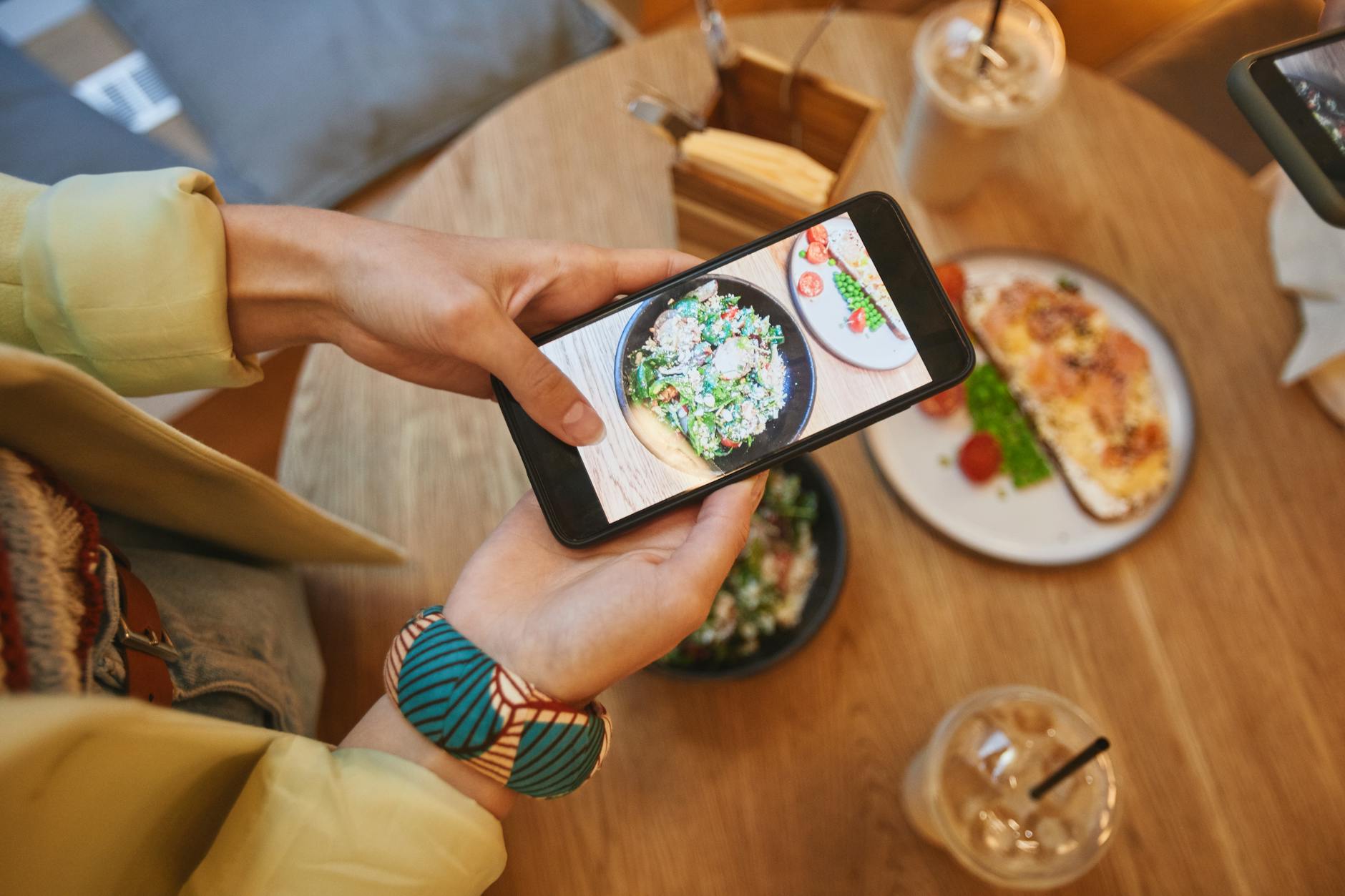
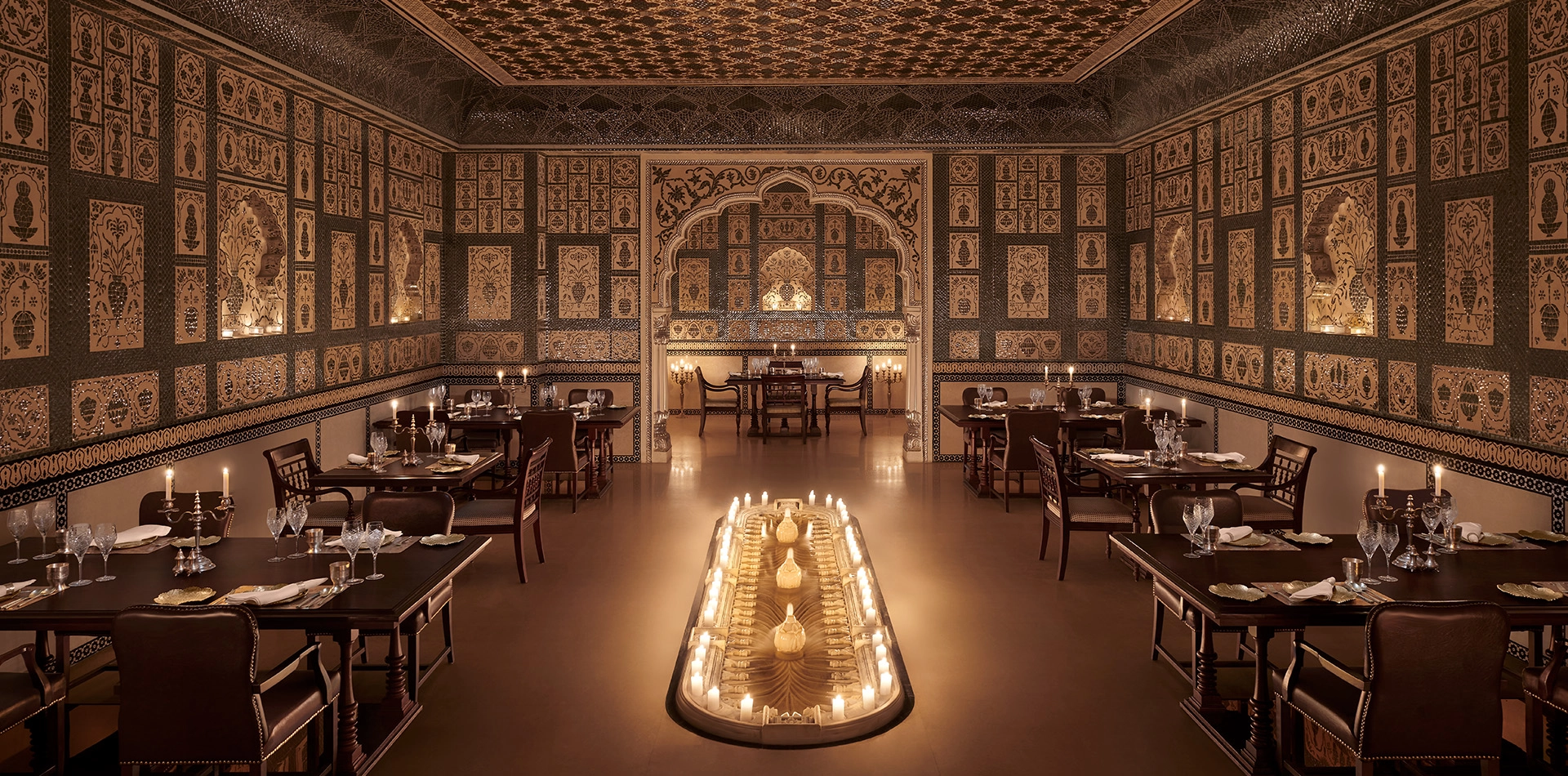
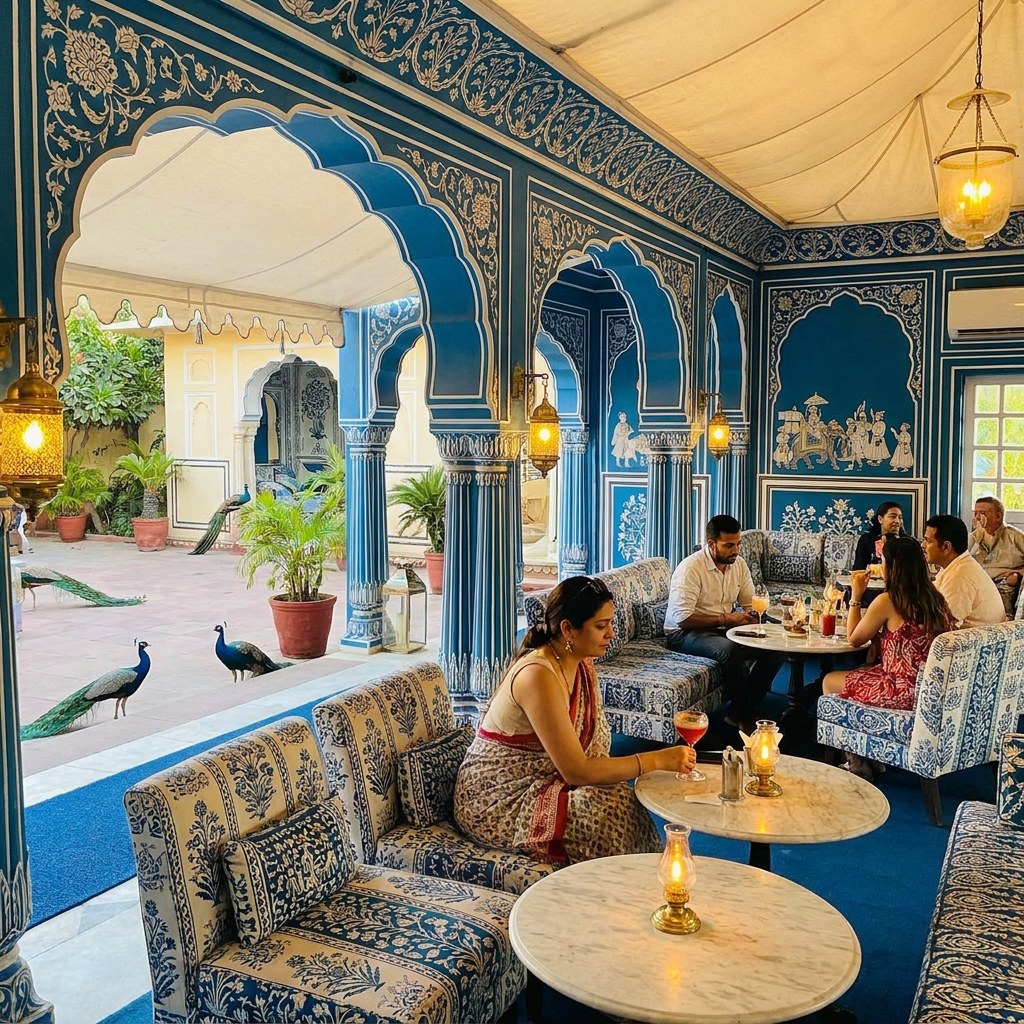
It is 8 p.m. on a Saturday near Kukas, and inside a dining hall that shimmers with 350,000 hand‑cut mirror pieces, the only illumination comes from 148 candles. Soft golden light bounces off the traditional thikri work and 18‑carat gold leaf, turning the room into a sea of stars. At tables around us, phones are held aloft almost continuously. Couples and groups pause mid‑course to frame the perfect Reel, capturing candle‑lit arches and the six‑course set menu that will cost roughly ₹4,500–6,000 per person. Staff navigate between serving tables and politely stepping aside for tripods. This is not a one‑off gimmick; it is the logical endpoint of a food culture where interiors, menus, and entire launch strategies are drafted first against an Instagram grid.

The Feed Is Now the Food Guide
Jaipur’s food discovery has quietly shifted from word‑of‑mouth and aggregator ratings to an Instagram‑first, Reel‑driven ecosystem. Locals scroll through hashtags like #JaipurFoodie and #JaipurCafe, save Reels into mood‑based collections such as “birthday places” or “rooftop dinners,” and build entire weekend itineraries directly from the app. A curated list like “9 Must‑Visit Restaurants in Jaipur for 2025” can redirect crowds across town overnight. Even location tags and niche neighbourhood hashtags—such as #RajaParkCafe—have become geo‑targeted discovery assets. Google and Zomato are now often the secondary check, consulted only after a Reel has already planted the desire.
“Instagrammable” Becomes a Formal Business Category
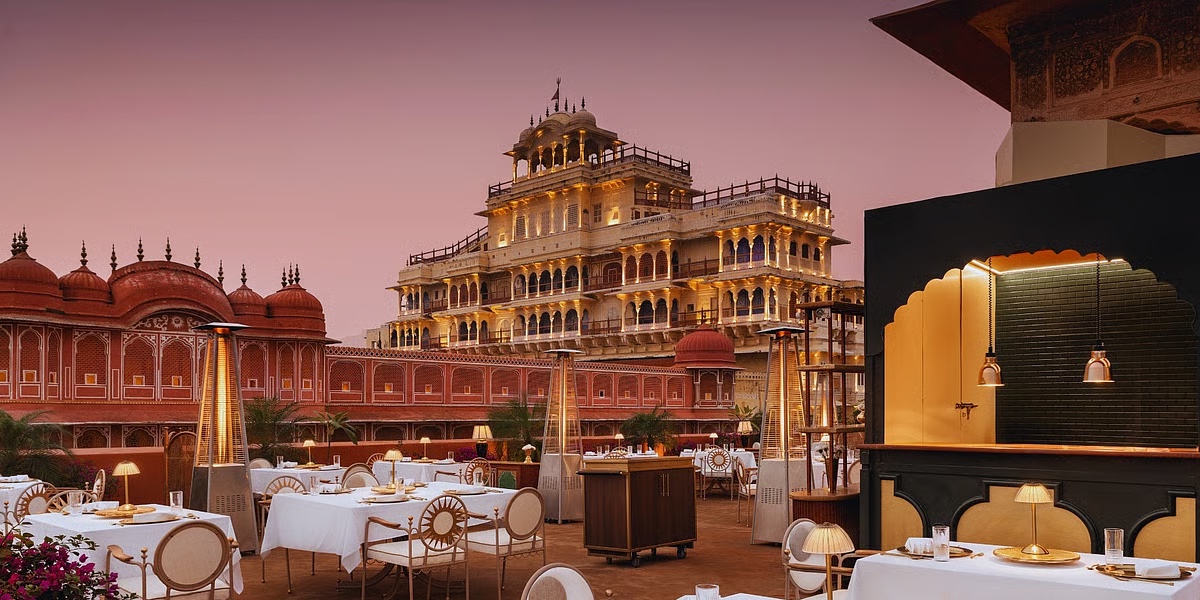
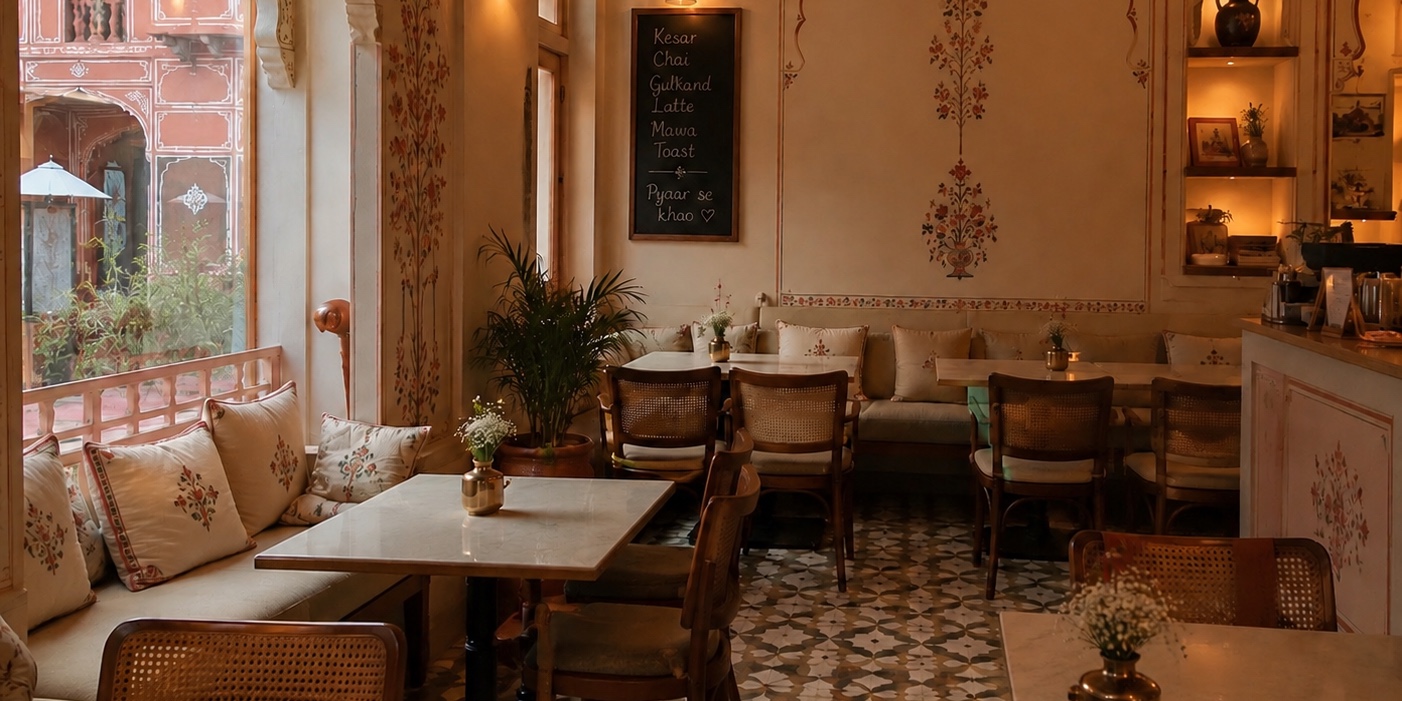
The industry has formalised what was once an informal tag. Zomato now lists a dedicated category of “Top Instagrammable Restaurants in Jaipur,” featuring over 80 venues, effectively treating Instagram‑worthiness as a selection filter alongside cuisine and price. Local blogs emphasise “stunning interiors, pastel colour palettes, murals, neon quotes, and photo spots” as the primary reasons to visit, often before the menu. Meanwhile, design and lifestyle media profile Jaipur restaurants where “design steals the show”—places where arches, heritage motifs, handcrafted tiles and lush greenery are not décor afterthoughts but the central selling proposition.
Reel‑Friendly Interiors: Designing for the Camera First
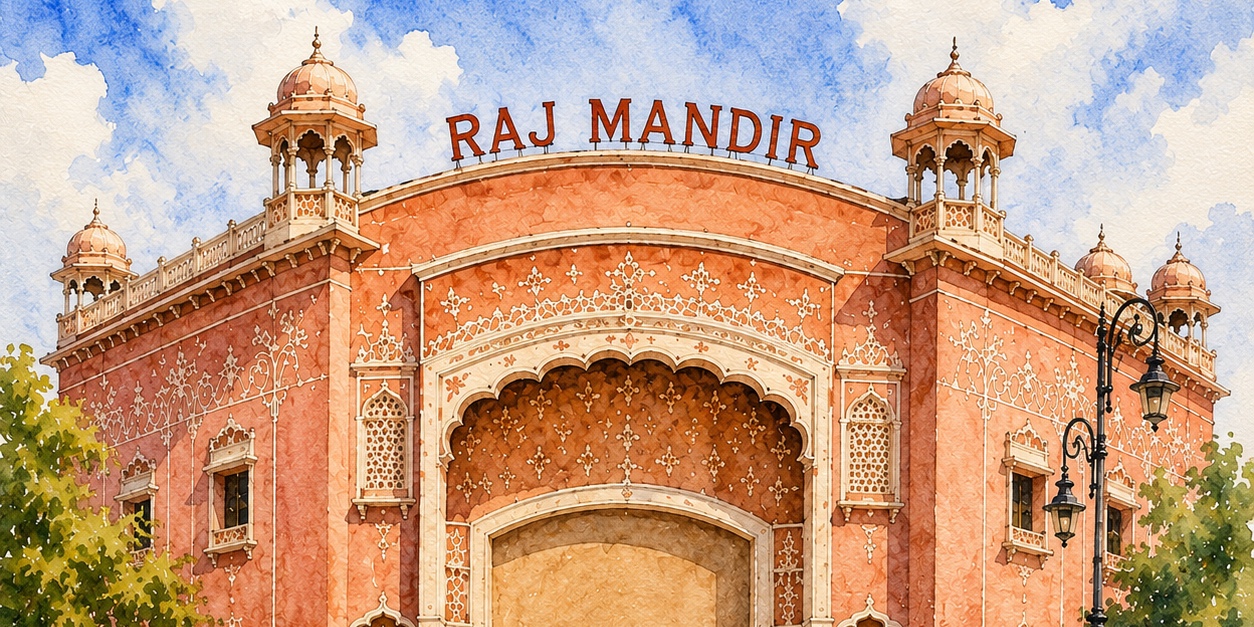
Among city‑facing restaurants in C‑Scheme, Raja Park and beyond, visual‑first design has become a primary brief. Venues now routinely include designated Instagram spots: a swing seat against a flower wall, a neon quote in a dim corner, a throne‑like chair framed by an arch. Lighting is discussed with camera sensors in mind; warm, even tones and clean backgrounds help Reels look polished. Multiple ‘sets’ within one restaurant—a boho corner, a royal‑style room, a dark bar—let creators shoot diverse content in a single visit, amplifying the venue’s content ROI. The zero‑electricity mirror‑work restaurant near Kukas is the extreme example: its entire concept marries heritage thikri craft and candle‑light spectacle, earning premium pricing and perpetual social media buzz precisely because the interior itself is a viral asset.
Menus Engineered for the Lens
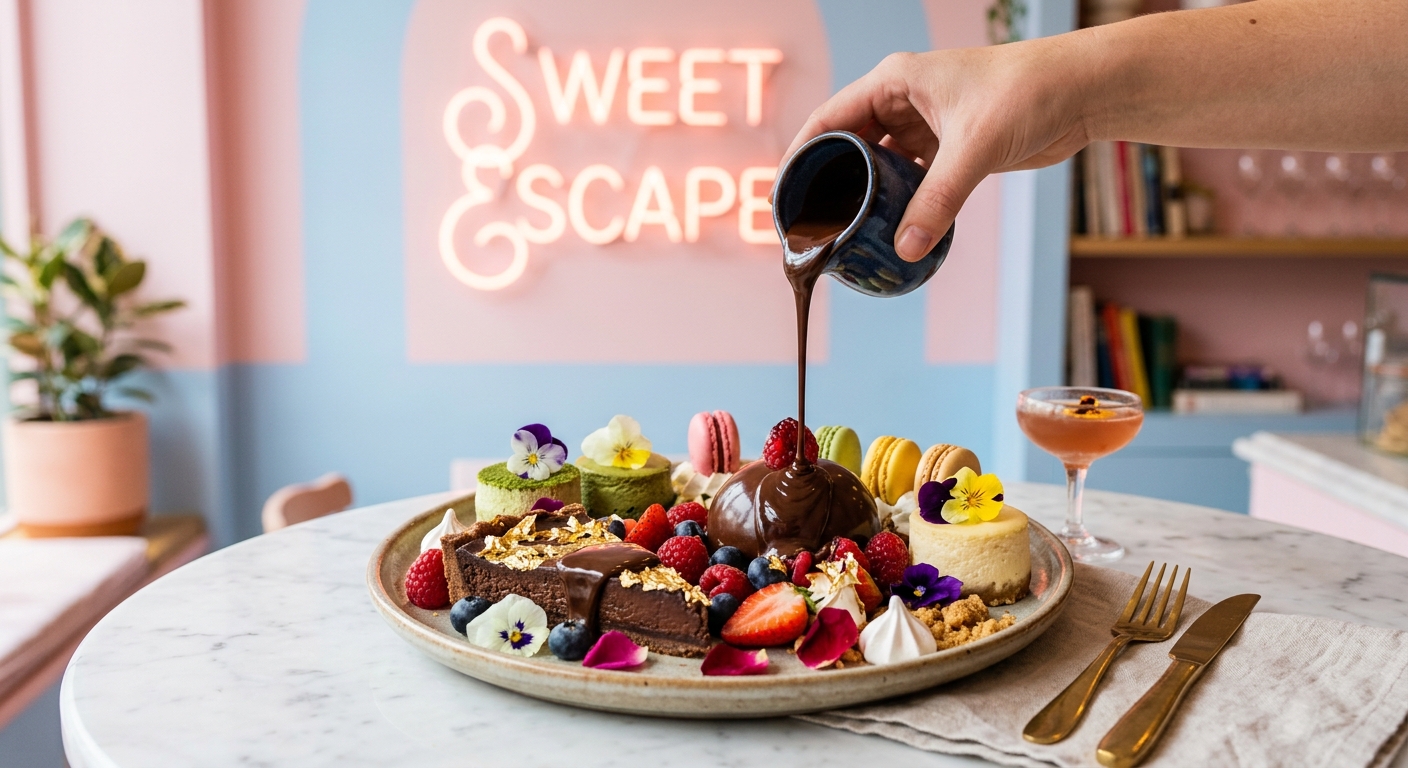
Menu design is now inseparable from visual strategy. Operators openly stress‑test whether a dish delivers a strong Reel moment—an ooze‑out centre, a pour‑over sauce, a dramatic smoke plume—before promoting it heavily. Resulting patterns include deeply layered, colourful plates (loaded fries, towering burgers, gradient mocktails) and desserts built around a 3‑to‑5‑second reveal. Naming and captions further work the algorithm: items labelled “Jaipur special,” “most loaded,” or “trending dessert” are designed to map onto local search behaviour and hashtag phrases. A visually unremarkable but excellent dish may be sidelined in social promotion simply because it does not perform on camera.
Influencer Collaborations as the Default Launch Playbook
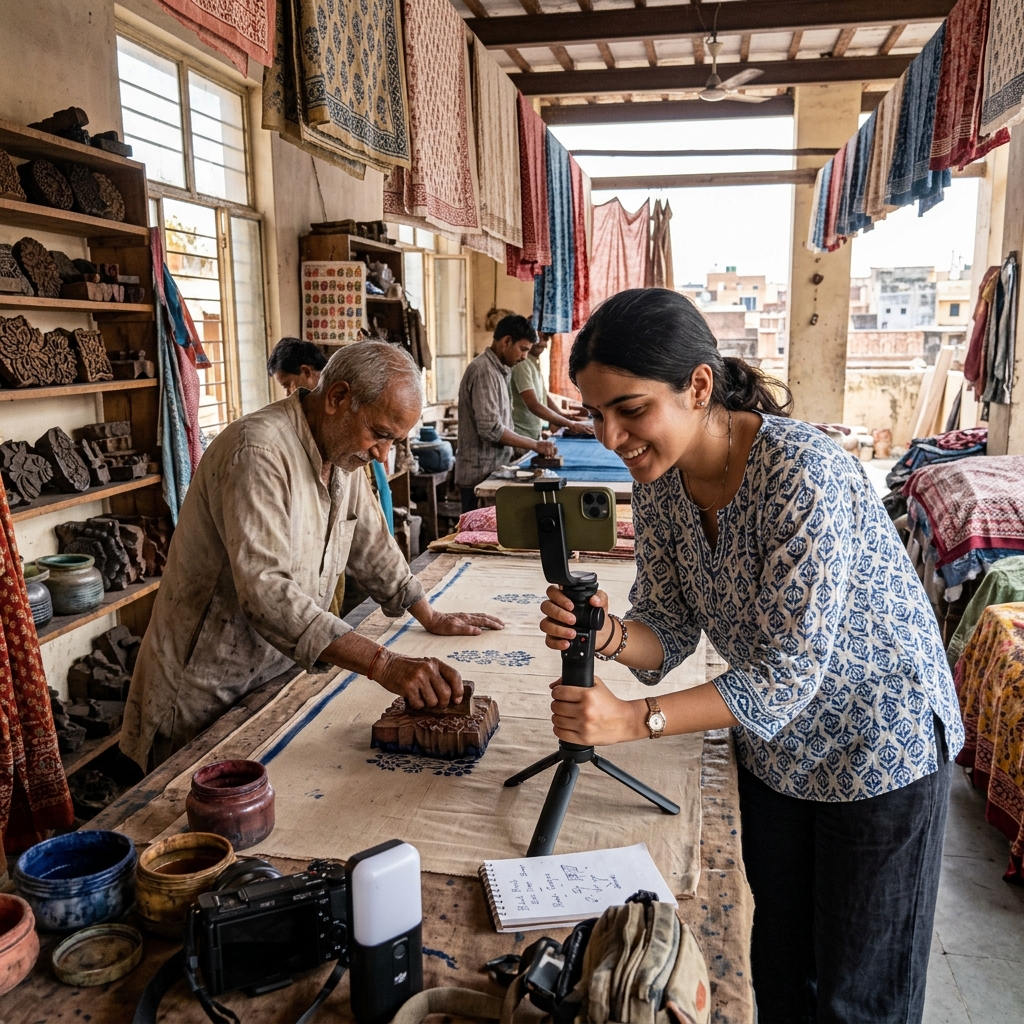
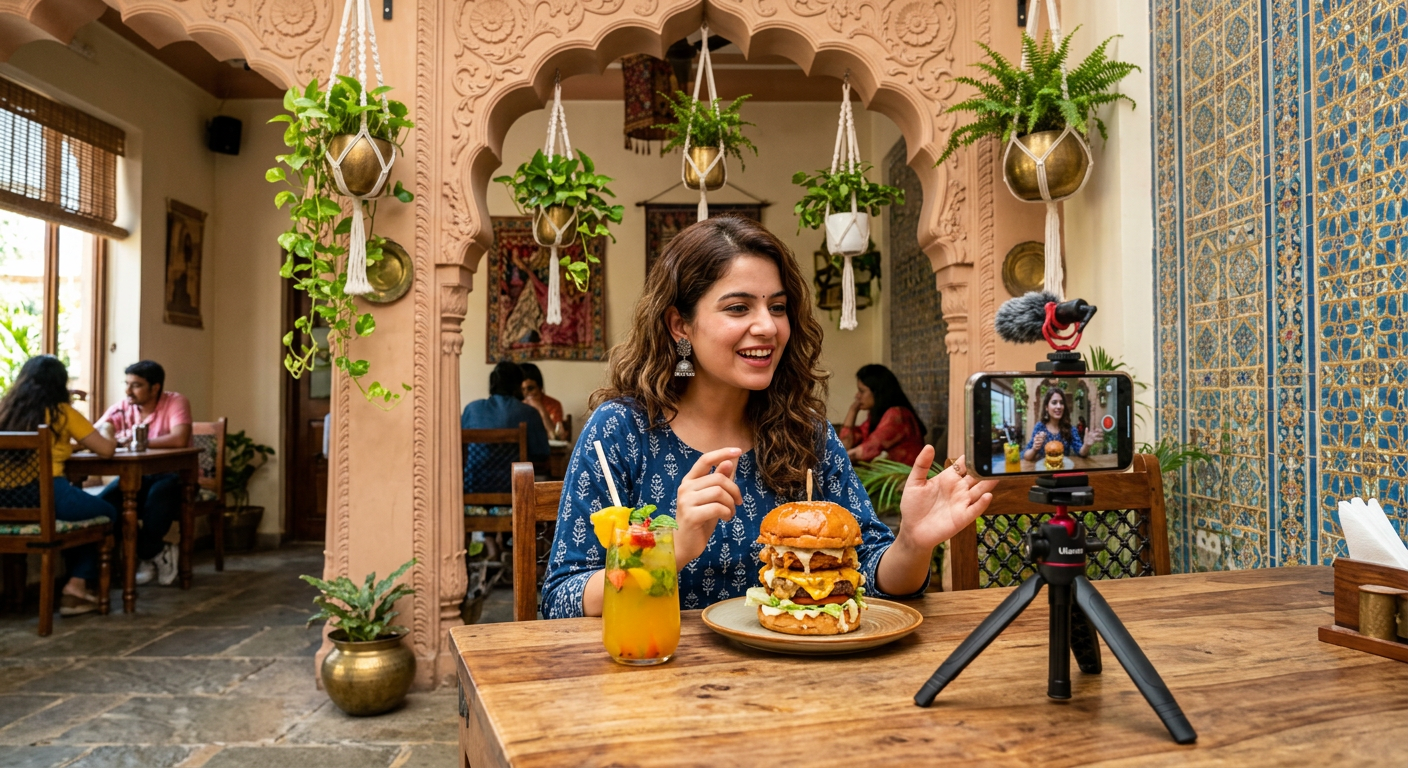
A dense, professionalised micro‑influencer ecosystem has emerged. Tools like Modash now list a distinct “Top Jaipur Food Influencers” category, and accounts such as @xplorerjaipur regularly post punchy Reels that spotlight new cafes and street stalls alike. The typical launch playbook has become standardised: invite 10–30 local micro‑influencers for an exclusive pre‑opening tasting, then coordinate a launch‑week burst of Reels using trending audio, geo‑tags, and “here before it goes viral” messaging. Ongoing collaboration pipelines mix barter meals and occasional paid campaigns. These partnerships can collapse the trust gap for a new venue within hours, allowing premium pricing and instant social capital—though disclosure of paid or barter arrangements remains inconsistent.
Viral Crowds, Real‑World Pressure
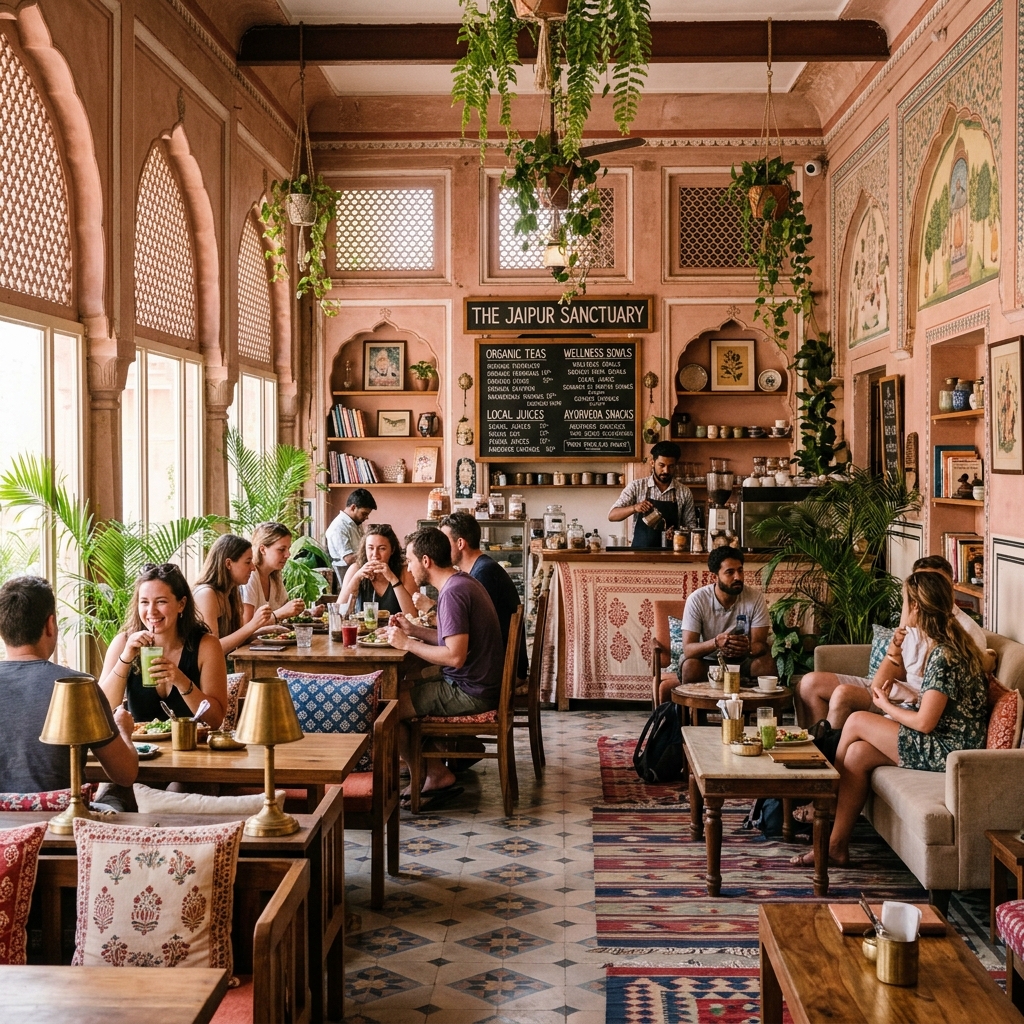
When a Reel catches locally, the operational consequences hit hard. Reservations spike, walk‑ins surge, and a younger, content‑oriented crowd arrives specifically to shoot their own posts, sometimes spending less per head while occupying tables longer. Footfall becomes spiky, concentrated around viral peaks, and venues must suddenly flex queue management, staffing, and tripod policies. The honeymoon is often short: a spot may be ‘hot’ for 3–9 months before attention shifts to the next launch. Restaurants that survive beyond the hype cycle are those that back their visual appeal with solid food and service—design alone cannot sustain repeat local visitors.
The Cultural Backlash: Sameness, Authenticity, and Access
A distinct fatigue is setting in. Locals note that too many cafes now share the same pastel‑sofa, neon‑quote, boho‑corner template, leading to visual homogeneity. Older diners contrast these with traditional dhabas and heritage sweet shops, which feel more authentic but receive far less Instagram visibility. Recurring complaints surface around food quality sacrificed at the altar of photo‑friendliness, and around influencer posts that rarely mention negatives. Pricing, too, becomes a flashpoint: design‑led venues often charge higher rates, making them feel less accessible even when marketed as “budget‑friendly aesthetic cafes.” Meanwhile, the commodification of heritage aesthetics—royal arches, mirror work, palatial settings repurposed for selfies—raises tricky questions about what exactly is being consumed.
Where Jaipur—and Visual‑First Dining—Goes Next
For marketers and restaurateurs, the takeaway is clear: treat interiors, plating, and content strategy as one integrated design problem from the concept stage, build sustainable partnerships with micro‑influencers, and use data‑driven Reel tactics (7–15‑second clips, trending audio, search‑optimised captions) without letting virality become the sole business model. For content creators, the power to make or break a venue comes with a responsibility to disclose partnerships and surface genuine quality, not just spectacle. For diners, Instagram remains a powerful discovery tool, but one best cross‑checked with aggregator reviews and word‑of‑mouth. Jaipur, with its layered heritage and hungry creator scene, is a live case study: an early indicator of how algorithms are quietly co‑designing not just menus and interiors, but the very texture of a city’s food culture.
Sources
- Top 83 Instagrammable Restaurants in Jaipur | Zomato
- How Instagram Reels & Influencers Are Shaping Jaipur's Restaurant ...
- Restaurant and Cafe Interior Designer in Jaipur, Jagatpura
- 5 Instagrammable restaurants in Jaipur with amazing food
- Nouba Kitchen and Bar on Instagram
- 9 Must-Visit Restaurants in Jaipur for 2025! From regal ... - Instagram
- Jaipur Restaurant: बिना बिजली के चमकता है जयपुर का ये रेस्टोरेंट, यहां लाखों शीशों के बीच शाही डिनर है खास
- Top 7 Aesthetic Cafes in Jaipur Yet Affordable | 365ads
- THE 10 BEST Restaurants with a View in Jaipur - Tripadvisor
- Restaurants With A Royal Vibe You Cannot Miss In Jaipur
- 10 beautiful restaurants in Jaipur with you should dine at this season
- 6 New Restaurants in India Where Design Steals the Show
- The Most Beautiful Restaurants, Cafes and Bars in Jaipur
- Rambagh Palace, Jaipur on Instagram: "An Evening Woven in Royal ...
- 25 Best Restaurants In Jaipur In 2026 To Try Its Royal ...