
Jaipur’s Wellness Café Boom: Millets, Yoga, and Mindful Sipping
Explore how Jaipur's modern cafés are embracing millet-based menus, vegan options, cold-pressed juices, and yoga programming to redefine urban wellness culture for millennials and remote workers.
A New Morning Ritual in the Pink City
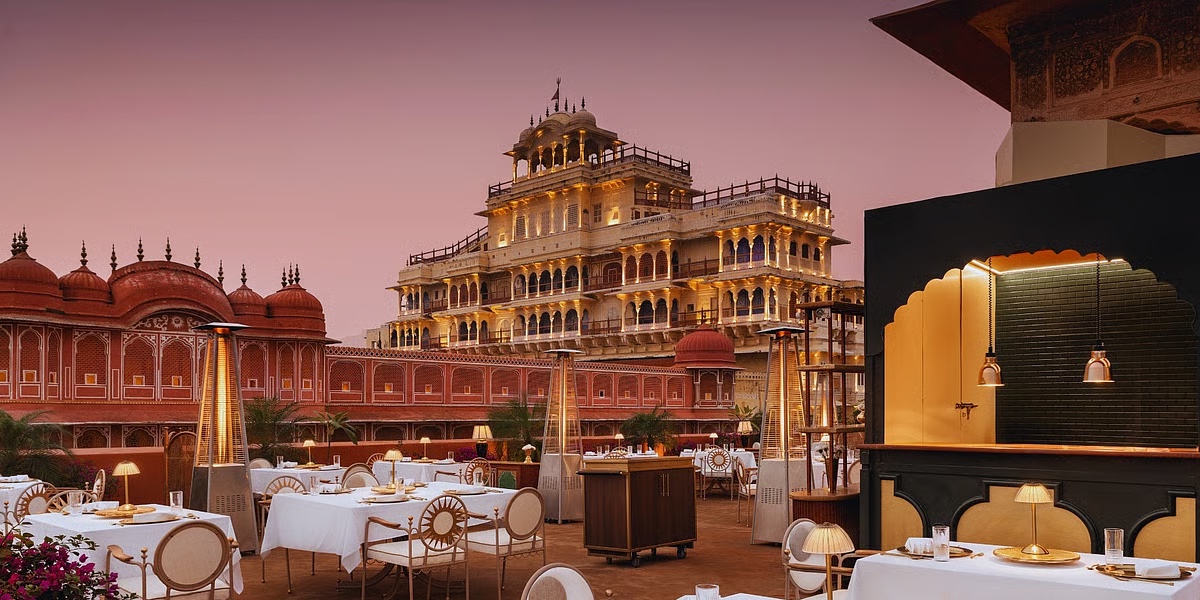
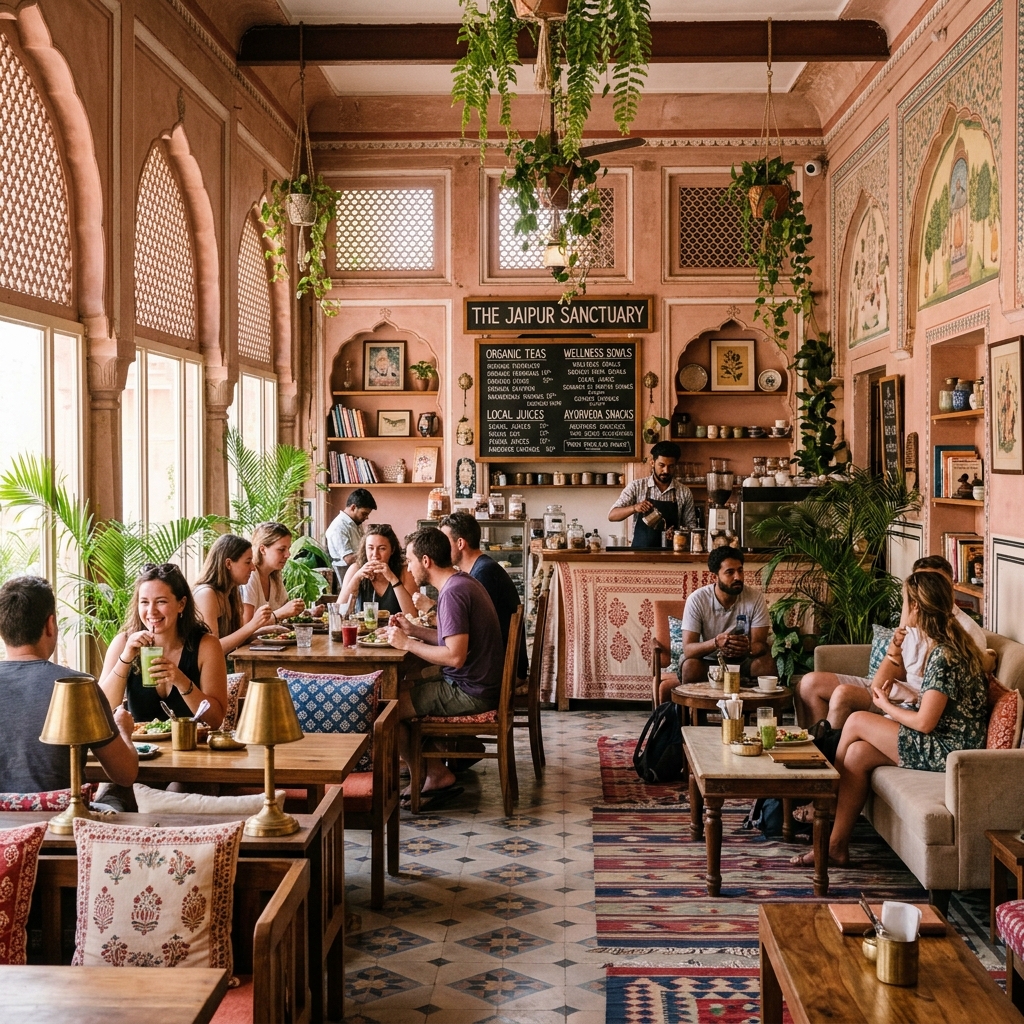
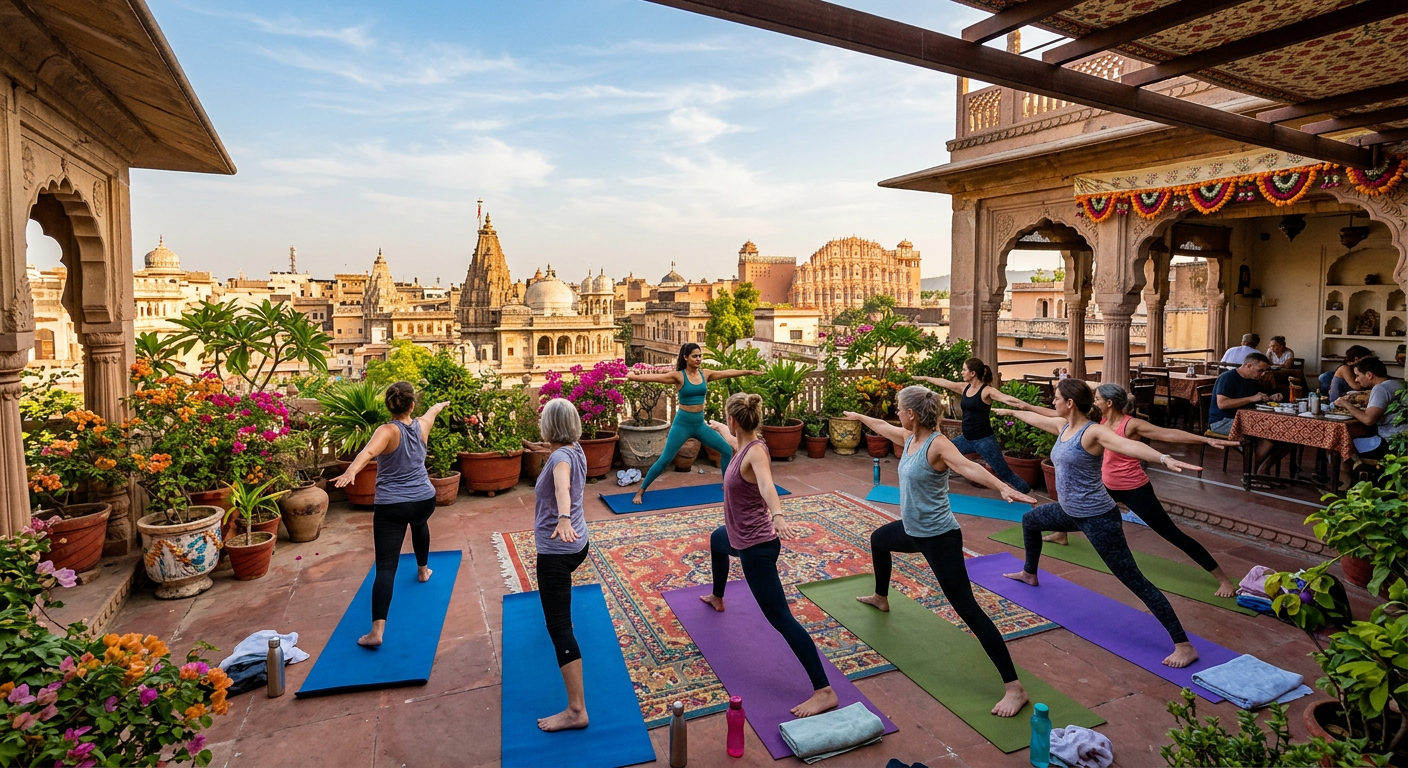
It is a weekday morning in C-Scheme, Jaipur, and the scent of freshly brewed coffee mingles with the earthy aroma of steamed bajra. Sunlight filters through a curtain of indoor plants, illuminating a few solo laptop workers nursing green smoothies. On the terrace, a yoga class has just wrapped up, mats still unrolled, as participants descend to claim their pre-ordered millet pancakes and kombucha. This isn’t a wellness resort — it’s a café, one of a growing number that are reshaping how Jaipur’s young urbanites eat, work, and connect. Across the city, from Bani Park to Mansarovar, a new genre of health-focused café has emerged, marrying local food wisdom with global wellness trends.
From Kachoris to Kombucha: A Culinary Shift
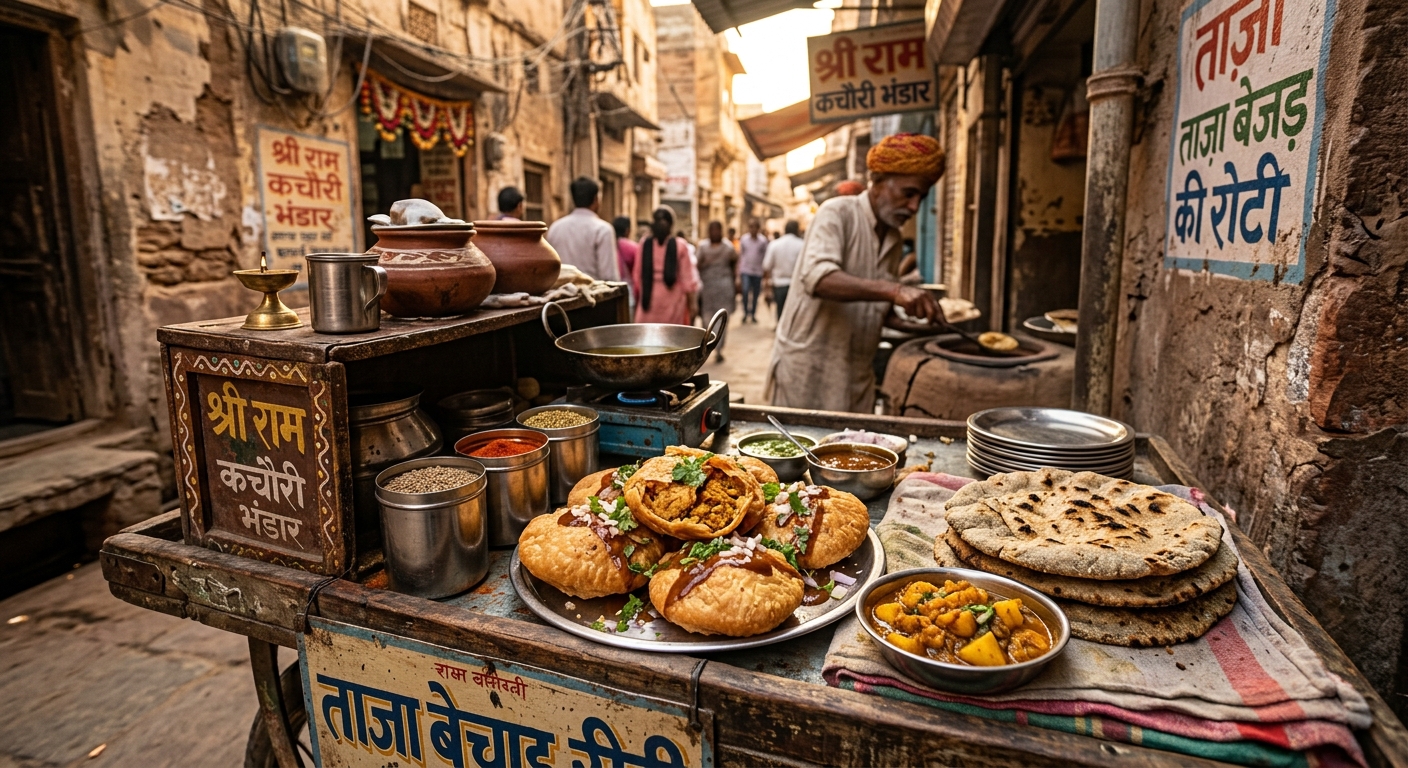
Jaipur’s food culture has long been synonymous with rich, ghee-laden thalis, tangy chaats, and all-day snacking. The city’s older cafés and lounges were defined by indulgent menus and hookah sessions. Today, a parallel landscape is thriving — one where ‘clean eating’ and mindful ambience take centre stage. Menus now routinely flag vegan and gluten-free symbols, plant-based milks have replaced dairy as the default in many drinks, and cold-pressed juice counters hum alongside espresso machines. This evolution isn’t a rejection of tradition but an overlay: young professionals might still relish street-side kachoris on weekends, yet their weekday staples lean decidedly lighter. The change reflects a broader post-pandemic health reset, where immunity, gut health, and balanced eating have become everyday concerns rather than niche indulgences.
The Millet Makeover: Ancient Grain, Aspirational Plates
At the heart of Jaipur’s wellness-café movement is a grain that has been cultivated in Rajasthan for millennia: millet. The state is India’s largest producer of bajra (pearl millet), and a series of national and local initiatives have thrust these ‘nutri-cereals’ into the spotlight. The United Nations declared 2023 the International Year of Millets, the Government of India branded them ‘Shree Anna’, and Jaipur even hosted a dedicated Millet Mahotsav in August 2023 to sensitise consumers, chefs, and traders. Rajasthan’s own government has explored adding millets to mid-day meals and state-run hotel menus, normalising the grain far beyond health circles. Modern cafés have seized this narrative with creativity: millet pancakes, bajra pizza bases, jowar khichdi, and even millet-based brownies now sit prettily on tables alongside wellness blurbs about fibre content and low glycaemic index. It’s a classic case of a grandmother’s staple getting an Instagram-ready upgrade, linking field to fork in a way that feels both nostalgic and new.

Vegan, Gluten-Free and ‘Free-From’ as the New Standard
Walk into a contemporary Jaipur health café and you will notice that dietary accommodations are no longer whispered requests but proud menu categories. Vegan cheese, oat milk, almond flour cakes, and date-sweetened desserts are common. Gluten-free baking — often using millet flours or nut bases — is presented as indulgent rather than medicinal. Café owners report a surge in demand from young women managing PCOS or thyroid issues, as well as from fitness-focused patrons who see ‘guilt-free’ eating as part of their identity. The influence of social media cannot be overstated: global plant-based lifestyle content, intermittent fasting circles, and ‘what I eat in a day’ reels have made their way into local tastes. While Rajasthan’s culinary identity is deeply dairy-centric, these cafés are proving that there is ample appetite for alternatives — as long as they look and taste beautiful.
Drinks as Wellness Rituals: Juices, Kombucha and Functional Beverages
The beverages on offer tell their own story. Classic sodas have been replaced by cold-pressed juice blends with ingredients like moringa, beetroot, amla, turmeric, and activated charcoal, each marketed for ‘immunity’ or ‘detox’. Kombucha — once a rarity in India — now sits in glass bottles on café counters, prized for its probiotic credentials. Smoothies come spiked with plant-based protein, chia seeds, and nut butters, positioned as meal replacements or post-workout recovery aids. This drink-centric wellness push mirrors a national fascination with gut health and ‘functional foods’, though nutritionists caution that terms like ‘detox’ are often marketing fluff rather than medical fact. Still, for the city’s gym-going youth and biohacking enthusiasts, sipping something fermented or cold-pressed feels like an act of self-care.
Beyond the Menu: Cafés as Wellness Community Hubs
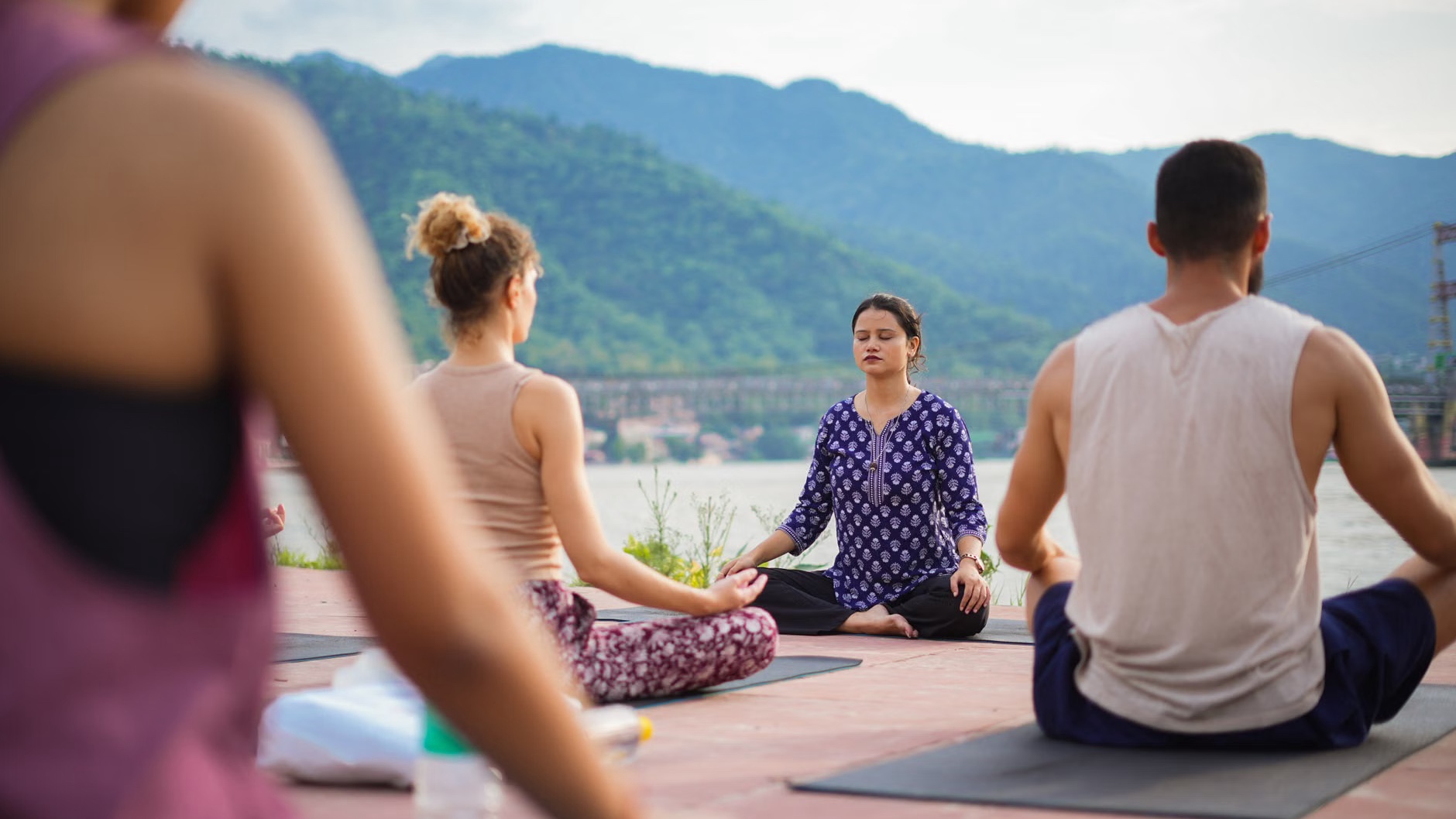
What distinguishes Jaipur’s wellness cafés from mere healthy eateries is their programming. Regular yoga mornings on shaded terraces draw early risers; nutrition workshops invite dietitians to demystify topics such as ‘Millets for PCOS’ or ‘Gut Health 101’, often paired with curated tasting menus. Mental health circles and guided meditation sessions create safe, ambient spaces for conversations once considered taboo. Pop-up markets transform café corners into bazaars for nut butters, seed mixes, kombucha, cruelty-free skincare, and artisanal products, giving local entrepreneurs a ready audience. The café, in this model, becomes a micro wellness ecosystem — a space where food is just the entry point, and community, learning, and identity form the real offering. For freelancers, students, and young parents, these events replace solitary gym sessions or sterile conference rooms with a sense of belonging.
Designing Calm: The Architecture of Mindful Sipping
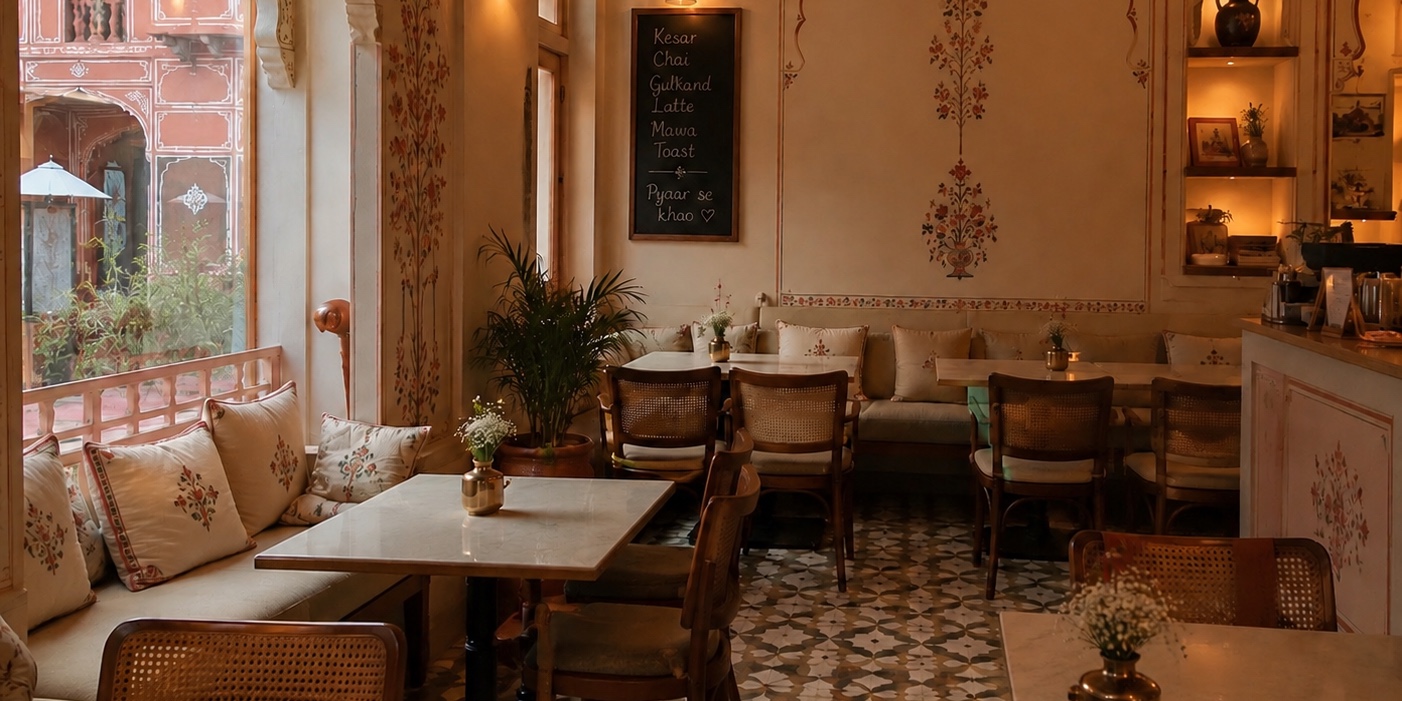
Interiors are far from incidental — they are a deliberate signal of intent. The typical Jaipur wellness café draws on a palette of warm wood, woven cane, jute rugs, and an abundance of greenery, often softened by pastel or earthy tones. Layouts favour flexibility: benches for solo workers with laptops, communal tables for groups, and open terraces for yoga or evening unwind sessions. Walls may carry gentle reminders to ‘breathe’ or ‘stay hydrated’. Background music leans acoustic or lo-fi, and some spaces even diffuse essential oils for a spa-like atmosphere. This design language is not merely cosmetic; it actively codes the café as a ‘third space’ — a haven between office and home where the pace of life can slow, if only for an hour.
Remote Work, Soft Life, and the Instagrammable Café
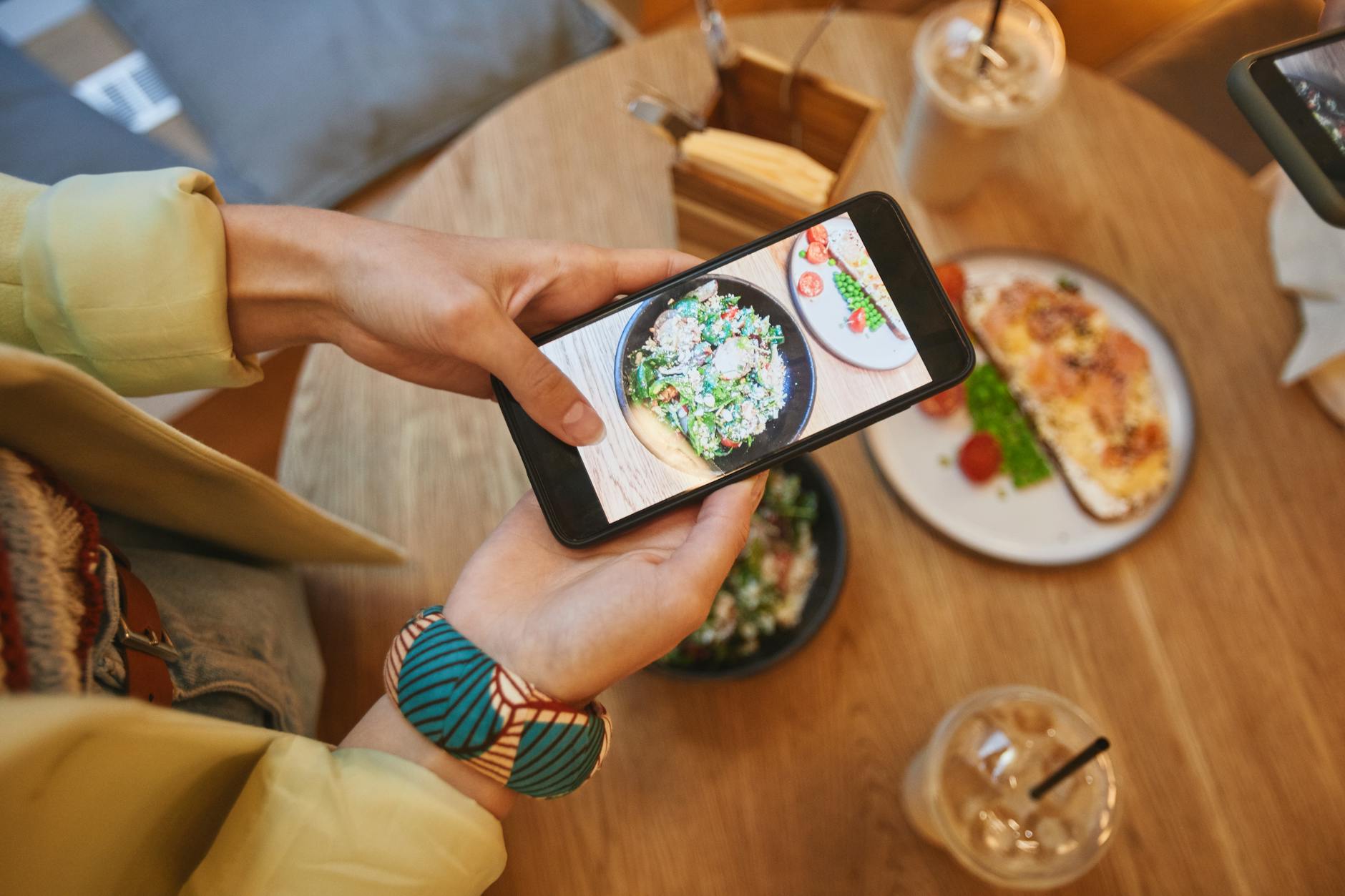
The post-2020 rise of remote and hybrid work has turned cafés into unofficial co-working hubs. With stable Wi-Fi, abundant plug points, and relatively quiet environments, these wellness-oriented spaces are magnets for tech workers, designers, and civil-service aspirants. Spending an afternoon with a millet bowl and a bottomless cup of black coffee has become a viable workday ritual. At a deeper level, these cafés feed the aesthetic of the ‘soft life’ — an aspirational blend of productivity, wellness, and curated leisure that photographs well for social media. Being seen in a plant-filled corner with a green smoothie sends a message about one’s values and lifestyle. This blending of work, wellness, and personal branding explains why the trend resonates so powerfully with millennials and Gen Z.

Blind Spots: Affordability, Elitism, and Genuine Health
For all its appeal, Jaipur’s wellness-café culture invites scrutiny. A ₹400 millet bowl or a ₹300 kombucha is out of reach for many in a city with sharp economic disparities; the movement remains largely confined to middle- and upper-middle-class pockets like C-Scheme and Vaishali Nagar. Moreover, not everything labelled ‘healthy’ withstands nutritional audit — sugar-free desserts often rely on jaggery or dates, and calorie counts can be just as high as their conventional counterparts. The promise of ‘detox’ or ‘immunity’ is scientifically shaky, and critics argue that the wellness narrative sometimes conflates self-care with spending. There is also a sustainability paradox: cafés may champion conscious living, yet single-use cups, imported superfoods, and fast-changing décor can undercut that message. These tensions do not negate the trend but add layers of complexity that demand honest conversation.
Where Jaipur’s Wellness Culture Goes Next
The trajectory points toward deeper integration. Already, partnerships between cafés and yoga studios, diet clinics, and fitness trainers are becoming routine, suggesting a future where the line between café, co-working space, and wellness centre blurs completely. The government’s push to place millets in public canteens and midday meals may further normalise these grains across income levels. As the market matures, expect more focus on seasonal, hyper-local produce and genuine sustainability pledges rather than just aesthetic claims. In a few years, a weekend morning in Jaipur that begins with a rooftop yoga session, moves into a millet brunch, and settles into a co-working afternoon may feel entirely unremarkable — and that ordinariness will be the surest sign that the wellness café has reshaped the city’s lifestyle for good.
Sources
- Raj Plans To Add Millets To Midday Meals & Menus Of All RTDC Hotels
- The Millet Makeover | Grazia India
- The Great Indian Millets Makeover: Why Indian Gourmet Consumers Are Switching To This
- Restaurants Create Healthy Menu with Millets
- Millet Mahotsav - Jaipur, Rajasthan 17th August 2023
- Empowering India through Millets - PIB