
Mumbai's Best Walks & Treks After the Elevated Nature Trail Closure
Discover alternative walking trails, green spaces, and monsoon treks in Mumbai following the Elevated Nature Trail closure. SGNP, waterfront promenades, heritage walks, and short treks await.
The Trail That Closed and the City That Won’t Stop Walking
When the Elevated Nature Trail—a beloved Instagram spot and weekend fitness staple—closed indefinitely due to safety concerns, many Mumbaikars lost their go‑to green escape. But Mumbai, with its famously scarce open space, has always rewarded those who dig deeper. From forested paths inside Sanjay Gandhi National Park (SGNP) to sea‑facing promenades and monsoon‑ready hill treks, the city and its outskirts offer a wealth of alternative walking trails and green spaces. This guide maps out the best options, matched to fitness levels, monsoon safety, and photo‑worthy moments, so you can reclaim your weekend nature plans without missing a beat.
Sanjay Gandhi National Park: The Real Forest Experience
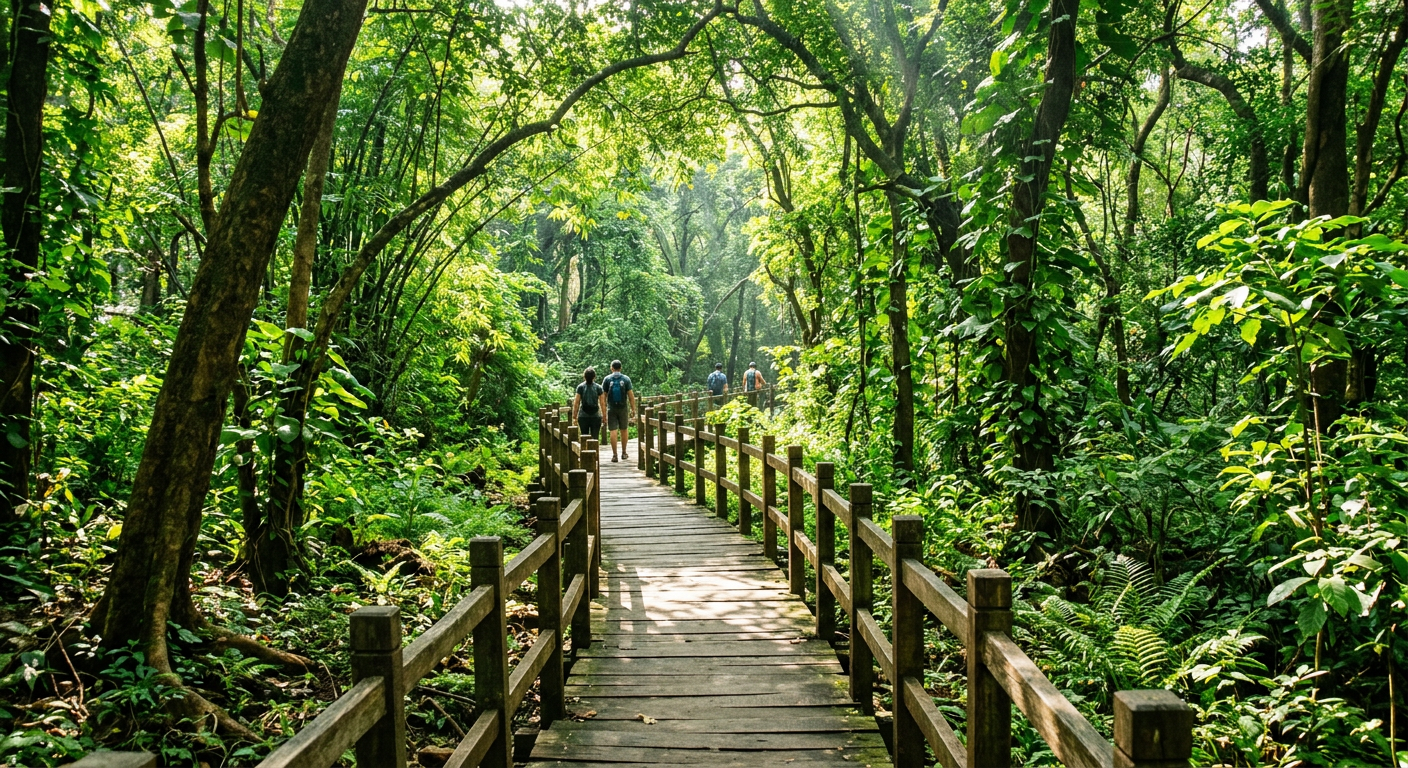
SGNP is Mumbai’s largest green lung and the most natural replacement for a closed elevated walkway. The Gaimukh Trail, starting at Kanheri Caves and climbing to Gaimukh Point, offers a moderate forest walk with canopy views, plateau scenery, and ancient rock‑cut Buddhist caves—perfect for fitness enthusiasts and Instagrammers alike. For a softer, culture‑rich walk, the guided Dahisar River Walk (half‑day) winds along the river inside the park, includes interactions with the Warli community and a traditional art workshop, and ends with a local lunch. The Shilonda Trail is another gentle route through dense forest, alive with bird calls and monsoon streams. All SGNP trails are managed, with entry timings and rules, making them safer than informal forest edges. Monsoon makes them lush and photogenic, but sturdy shoes and, ideally, a guide or group are recommended to handle slippery terrain and leeches.
Urban Nature Pockets: Maharashtra Nature Park and City Green Spaces
For those who want a quick, shaded walk without leaving the city, Maharashtra Nature Park and similar reclaimed green spaces are ideal. These compact urban forests offer tree‑lined paths, birdlife, and quiet corners perfect for a morning stroll or a casual photo session. Easily accessible by public transport, they are a low‑effort alternative to long drives and heavy treks, and they remain usable even during light monsoon showers with just a bit of mud. Aarey Colony’s tree‑lined lanes, while not an official walking trail, serve as a popular early‑morning fitness route for experienced locals. Caution is advised: stick to main roads, avoid off‑trail exploration, and go only in daylight. These spots fill the gap for those who miss the elevated walkway’s convenience but still want greenery within city limits.
Sea Spray and Stone: Waterfronts and Heritage Walks for Every Mood
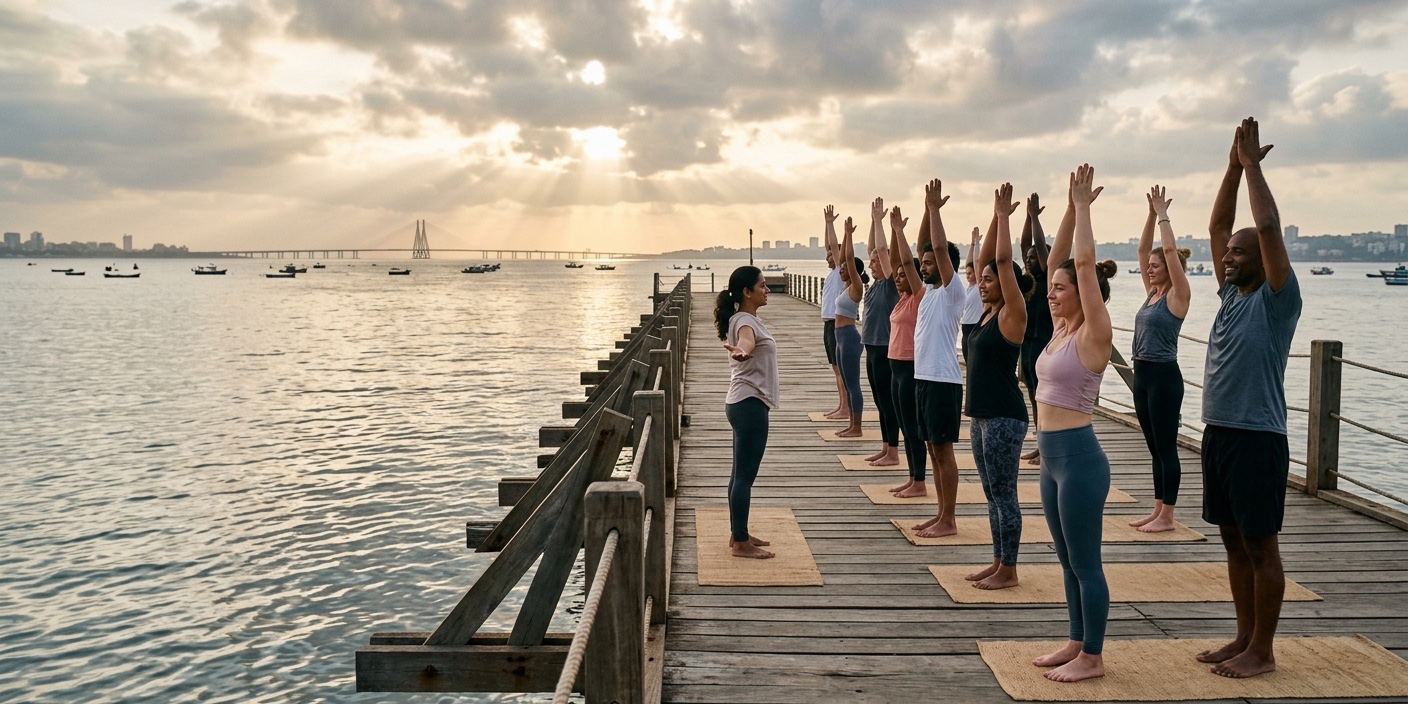
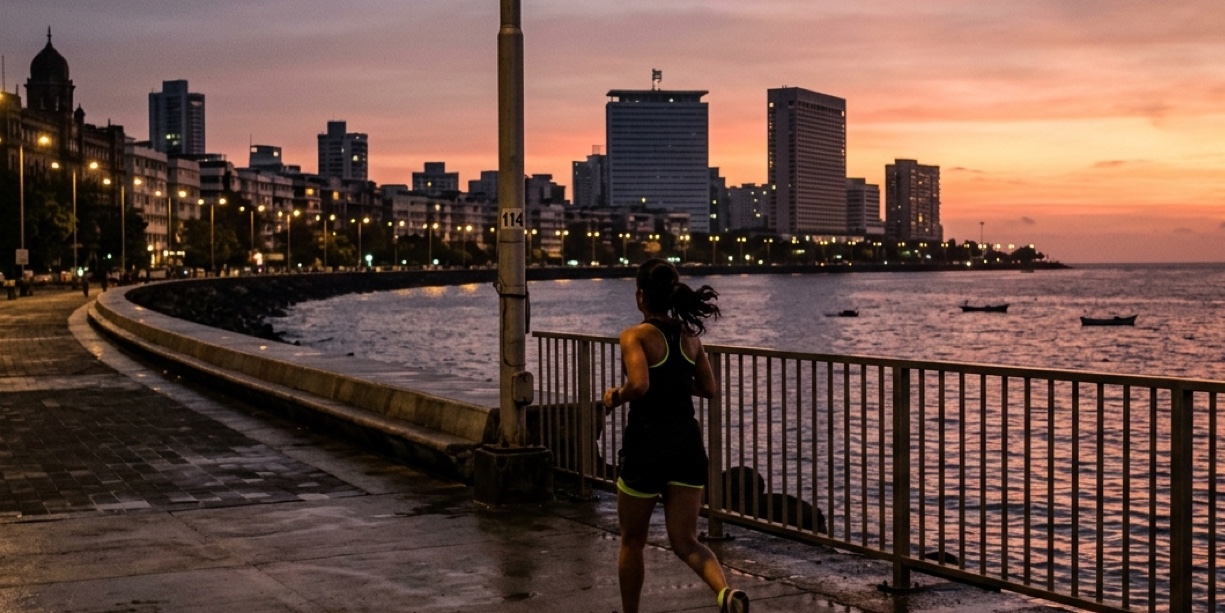
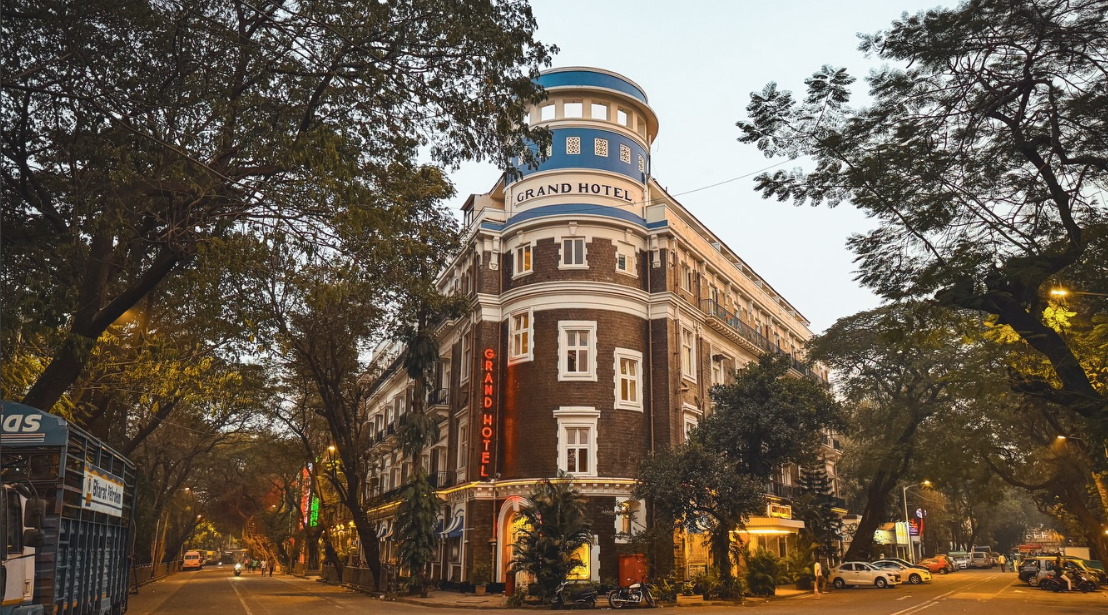
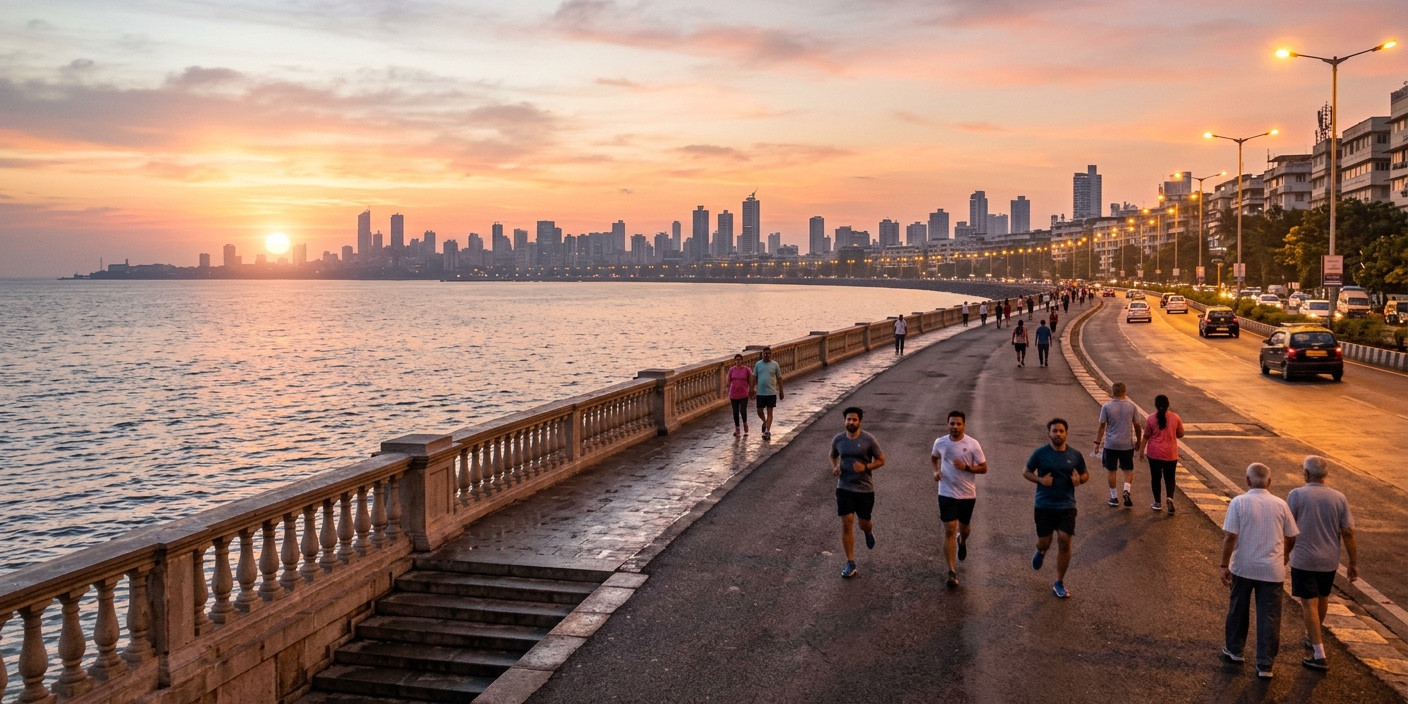
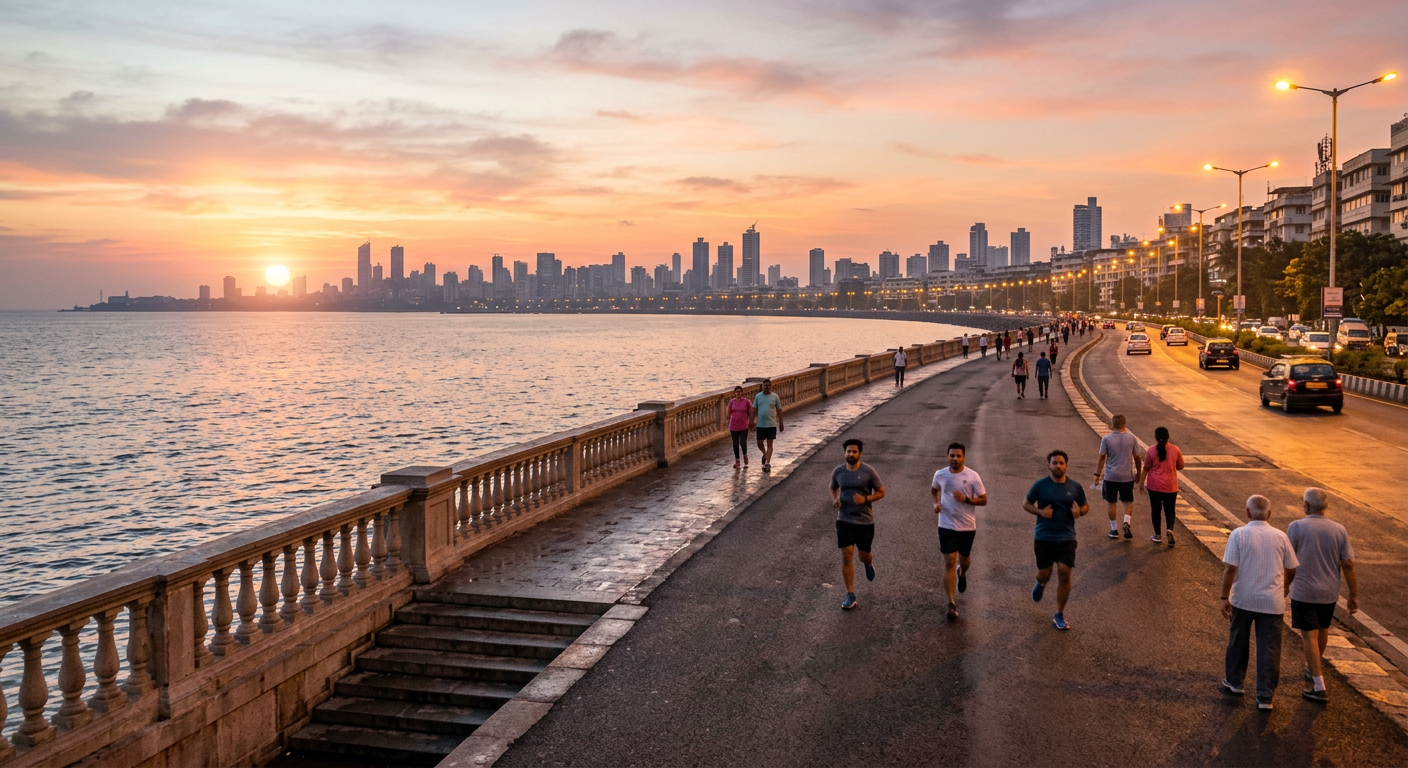
Mumbai’s coastline and old quarters provide flat, photogenic routes that are perfect for runners, strollers, and Instagrammers. The Marine Drive–Nariman Point stretch is a 2‑km paved promenade with sea breeze and iconic skyline views—especially stunning at sunrise. For a longer coastal walk, the Versova–Juhu beach route spans about 5 km, passing a fishing village and ending at the classic Juhu sunset. Nature lovers can head to the Sewri Flamingo Sanctuary trail, a flat bird‑watching path best visited early morning with binoculars. Heritage enthusiasts will enjoy the Banganga Walk, a 3‑km shaded trail leading to the ancient Banganga Tank and old temples, or the CST Heritage Walk, a 1.5‑km loop through Gothic‑Victorian architecture. The Kalbadevi Market Loop offers a sensory maze of narrow lanes, food stalls, and fabric shops. All these routes are monsoon‑friendly with solid surfaces, though high tide and slippery sand on the beach walks warrant caution.
Easy Hills and Forest Edges: A Quick Elevation Fix
If you crave a bit of elevation without a full‑day trek, Yeor Hills in Thane and the nearby Mama Bhanja Hills are local favourites. Yeor Hills is a fantastic morning workout with rolling paths and scenic views, while Mama Bhanja Hills offers a slightly tougher but manageable climb. Both are best tackled in the early hours, with good shoes and a water bottle. Other suburban “pahadis” exist, but many lack defined trails and infrastructure, so stick to well‑known routes. These hills are especially rewarding in the monsoon, when the slopes turn lush green, but the same rains make them slippery—so go with a friend and avoid heavy downpour days.
Monsoon Treks That Reward the Fit and the Fearless
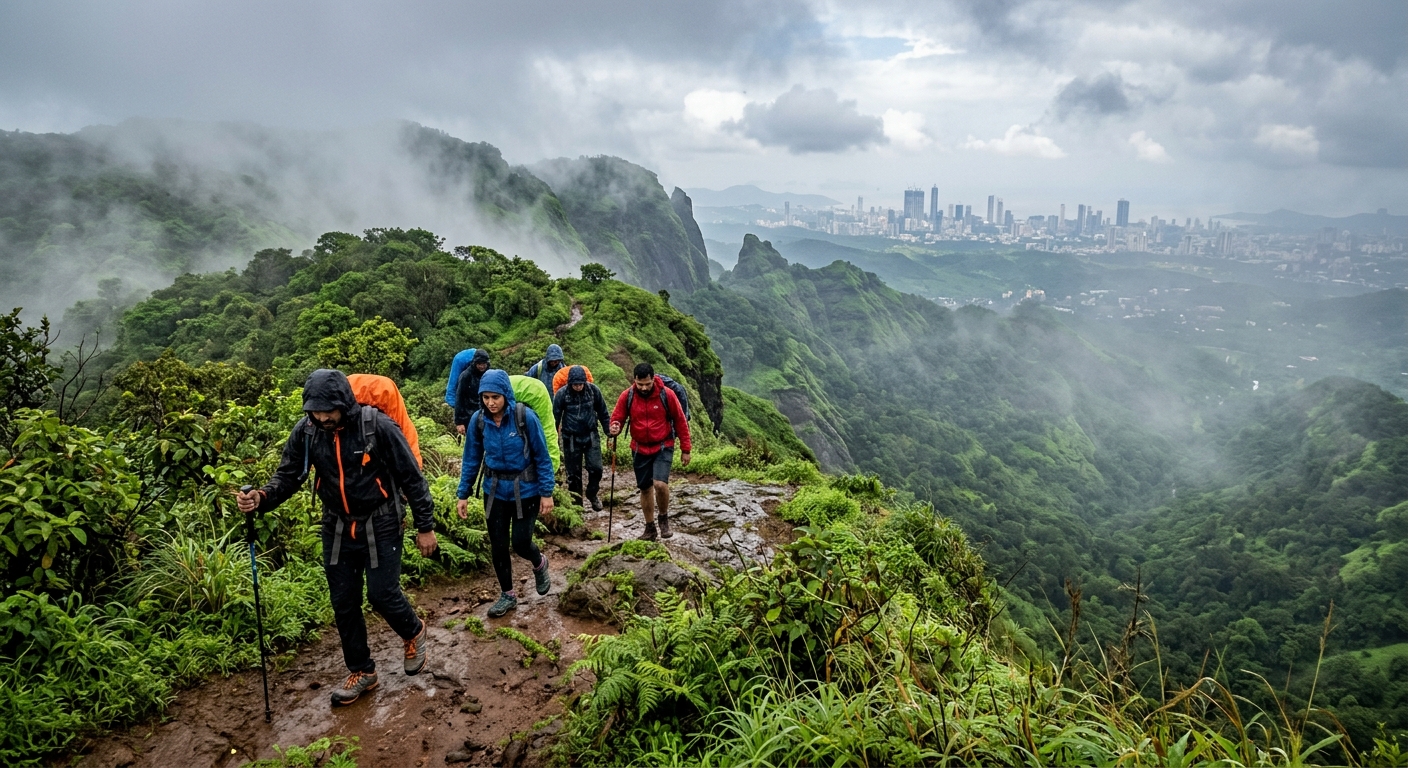
For fitness enthusiasts ready to turn the trail closure into a trekking adventure, the Sahyadris deliver. Viewpoint treks like Karnala Fort (moderate, thick forests, panoramic views), Sondai Fort (beginner‑friendly, sweeping cityscapes), Garbett Point (moderate, sea of clouds and skyline), and Peb Fort (strenuous, rocky terrain and historical ruins) are all within a few hours of Mumbai. Waterfall and jungle treks come alive during the monsoon: Aadrai Jungle Trek leads to a waterfall pool; Andharban is a 13‑km canopy‑covered trail above streams; Devkund Waterfall delivers a dramatic cascade; and offbeat gems like Kalmandavi, Dodhani, and Domzira offer multiple waterfalls and dense woodlands. These are not casual walks—they demand proper hiking shoes, weather awareness, and preferably an experienced guide. The rain‑fed beauty is unmatched, but so are the risks of slippery rocks and flash floods, so plan carefully and never trek alone.
Monsoon Safety and City‑Walk Etiquette
Monsoon amplifies both the beauty and the hazards of outdoor spaces. Urban promenades and heritage walks are generally safe in light to moderate rain, but avoid beach walks during high tide. SGNP trails and forest edges become slippery and may have leeches; wear full‑length trousers, closed shoes, and carry insect repellent. For any trek, check weather forecasts, start early, and never attempt a waterfall trek during heavy rains. Always carry water, snacks, a fully charged phone, and inform someone about your route. In the city, use well‑lit paths, keep belongings close, and rely on public transport to reach starting points. The golden rule: if a trail feels unsafe or too isolated, trust your instinct and turn back. The alternatives in this guide are chosen for their balance of accessibility and safety—unlike the viral but unregulated elevated pathways that led to the recent closure.
Weekend Plans: Three Sample Itineraries
Instagrammer’s Day: Start with the Marine Drive sunrise walk, then head to Banganga for a heritage stroll and temple photography. End with brunch at a Colaba café. Forest & Culture Day: Book a morning guided Dahisar River Walk inside SGNP, enjoy the Warli art workshop and lunch, then hike the Gaimukh Trail to Kanheri Caves for forest views. Fitness Upgrade Day: Leave early for Yeor Hills in Thane for a hill workout, or drive to Karnala Fort for a moderate trek with panoramic vistas. Each of these itineraries replaces the closed elevated trail with a richer, more diverse experience—and plenty of Instagram‑worthy moments.
One Trail Closes, a Hundred Open
The indefinite closure of the Elevated Nature Trail is a loss, but it’s also a nudge to explore Mumbai’s overlooked green spaces, forest paths, and vibrant urban walks. From the guided trails of SGNP to the salty breeze of Marine Drive and the monsoon‑drenched Sahyadri treks, the city’s alternatives are not just substitutes—they are upgrades for those willing to step out. Embrace the change, lace up your shoes, and discover a Mumbai that walks far beyond a single elevated platform.
Sources
- Easy walking / hiking trails in and around Mumbai? - Reddit
- List of Treks around Mumbai (by order of difficulty)
- Rajmachi Fort Trek (Lonavala...
- THE 5 BEST Mumbai Hiking Trails (2026) - Tripadvisor
- 10 Most Scenic Walking Trails and Urban Nature Spots in Mumbai
- The Complete Guide To Treks Near Mumbai - With 10 ... - Indiahikes
- Best Trails in Mumbai
- 🌧️ Mumbai Walking Itineraries
- Offbeat treks near Mumbai
- Nature Walks & Trails in Mumbai - Urbanaut app
- Trekking Near Mumbai - One-Day Trekking Places in Mumbai | Vogue India
- 10 Hiking Trails And Treks Near Mumbai That Are A Refreshing Escape From The City
- Mumbai Trails – Walk, Explore, Discover
- Hikes in Mumbai - Treks and Trails
- 19 Amazing Hikes In Mumbai - mountains & mahals
Frequently Asked Questions
Is the Elevated Nature Trail closed permanently?
The closure is indefinite due to safety concerns. While there is no official timeline for reopening, Mumbaikars can explore a wide range of alternative walking trails and green spaces that are safer and more diverse.
What are the best monsoon-friendly walks in Mumbai?
Urban promenades like Marine Drive, heritage walks such as Banganga and CST, and guided SGNP trails (Dahisar River Walk, Shilonda) are all monsoon-friendly with proper footwear. Beach walks should be avoided during high tide. For treks, choose moderate routes like Sondai Fort or Karnala with a guide, and avoid heavy rainfall days.
Are SGNP trails safe for solo walkers?
SGNP trails are within a managed national park, but they pass through forested areas with wildlife. It is safer to walk with a group, a guide, or at least one companion. Solo walkers should stick to well‑marked trails, start early, and inform someone about their route.
What are the easiest treks near Mumbai for beginners?
Sondai Fort Trek in Karjat is beginner‑friendly, offering panoramic views without extreme difficulty. The Gaimukh Trail inside SGNP is also a moderate, accessible forest walk. Karnala Fort is a step up but still manageable for reasonably fit beginners.
Can I visit Aarey Colony for a walk?
Aarey Colony’s tree‑lined roads are used by local walkers and runners, especially early in the morning. It is not an official walking trail, so stick to main roads, avoid isolated areas, and go during daylight. Treat it as a cautious, informal option rather than a dedicated nature trail.