How Ambani’s BKC is Turning Art into a Luxury Mall Experience
From Kusama's Infinity Room to HONEST's portrait tour, explore how the Ambani family's BKC campus is merging luxury retail with high art, challenging Mumbai's traditional Kala Ghoda gallery scene.
Two Art Experiences, One BKC Reality
On a single afternoon in Mumbai's Bandra Kurla Complex, a visitor can step into Yayoi Kusama's "Infinity Mirrored Room" at the Nita Mukesh Ambani Cultural Centre, then walk across to Jio World Plaza for the ticketed tour "HONEST: Portraits of Character." Both are polished, high-art offerings staged within or adjacent to luxury mall infrastructure owned by India's wealthiest family. This is not merely a tale of two shows; it is a moment that captures a profound shift in how Mumbai consumes culture—from the informal galleries of South Mumbai's Kala Ghoda to billionaire-backed, air-conditioned, time-bound experiences that sit comfortably beside designer stores and fine dining.
Inside the Infinity Room: One Minute with a Global Icon
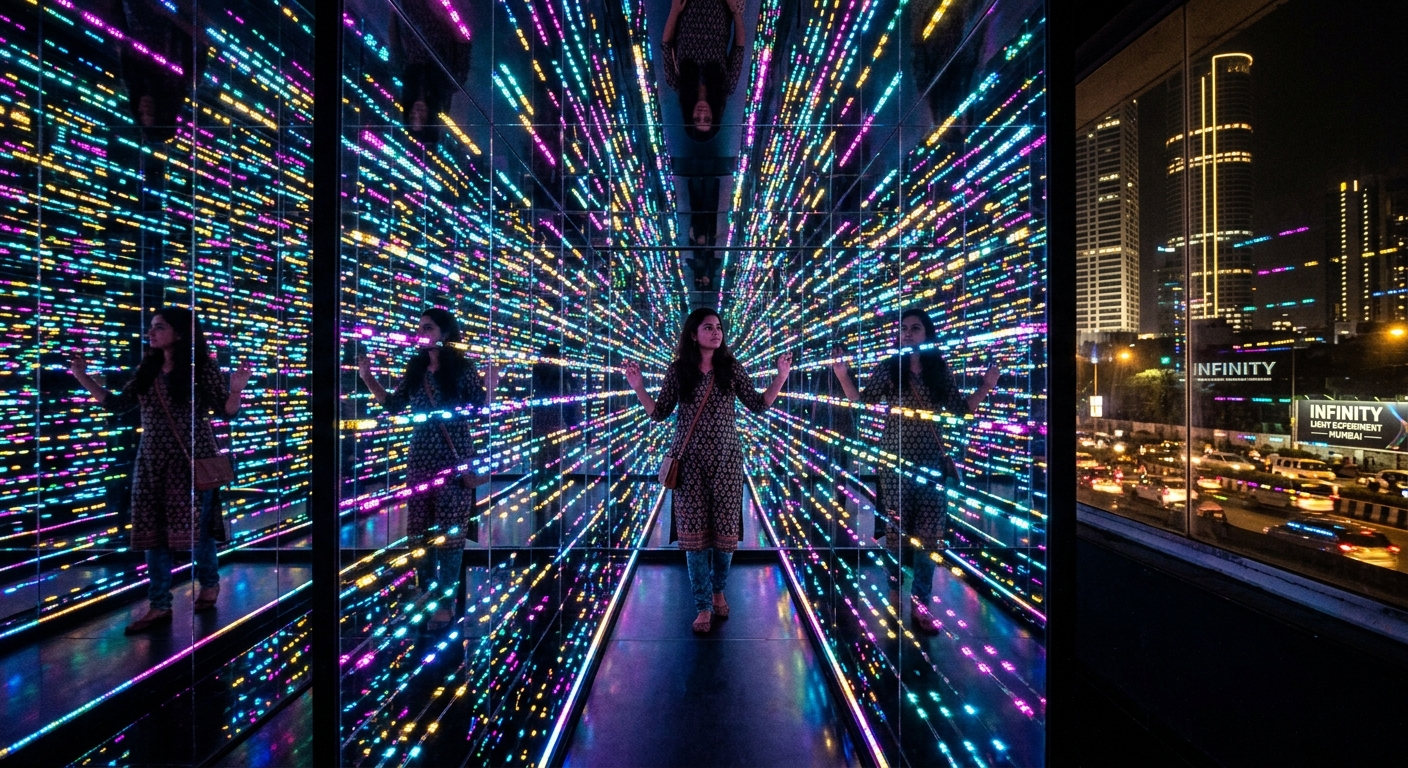
Kusama's "Infinity Mirrored Room — The Eternally Infinite Light of the Universe Illuminating the Quest for Truth" (2020) is a small, enclosed chamber of mirrors and flickering LED lights that creates an illusion of endless space. At NMACC, it is billed as India's first Infinity Mirror Room, part of the centre's permanent art collection. The experience is meticulously controlled: visitors get only one minute inside, booked via timed slots at ₹100 per person. Demand has been overwhelming—slots sell out up to 72 hours in advance, and the installation's run was extended to late July. The result is a high-impact, Instagram-friendly moment that feels less like gallery contemplation and more like a blockbuster attraction.
HONEST in the Plaza: Portraits as Luxury Retail
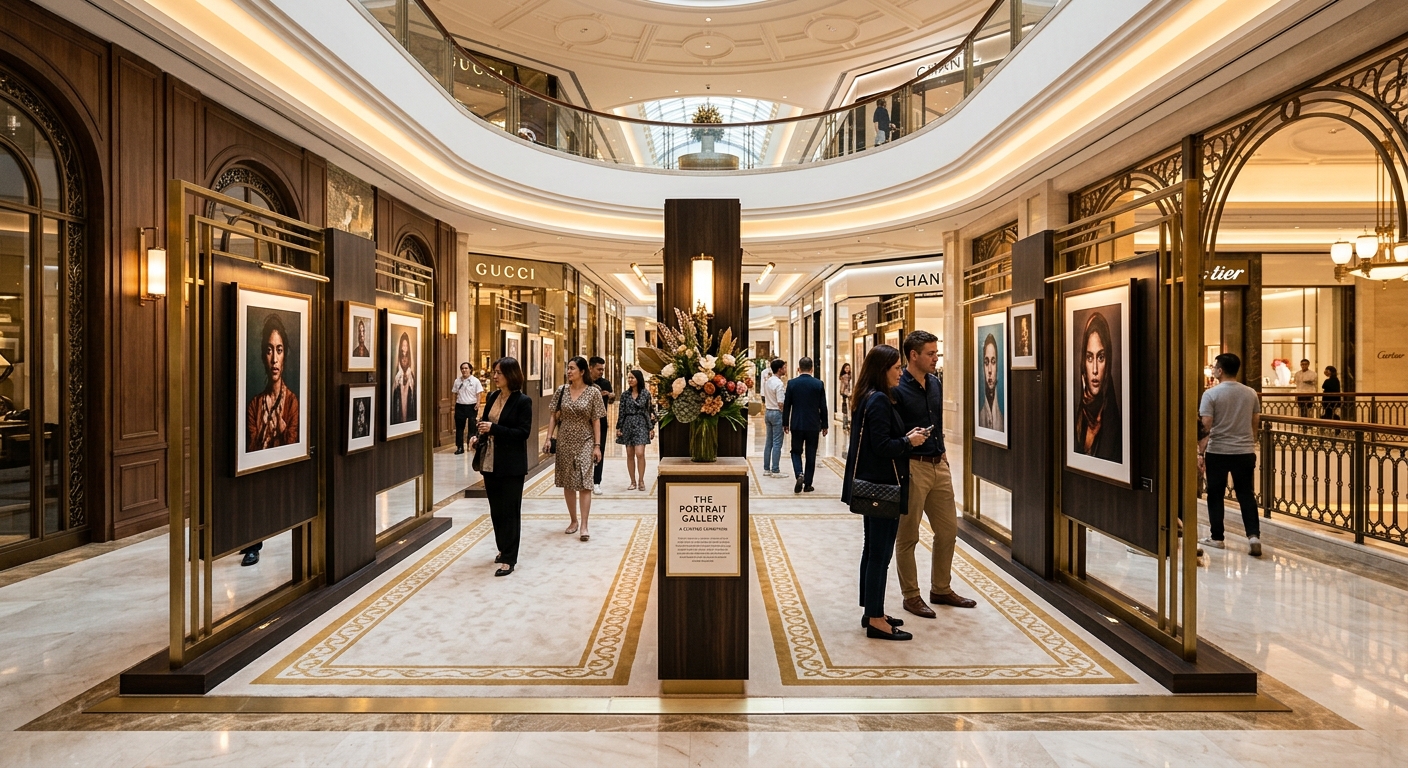
At Jio World Plaza, "HONEST: Portraits of Character" operates as a curated, ticketed tour embedded directly in the luxury mall. Priced at ₹589 per person, it sits well above the Infinity Room's ₹100 entry and is marketed alongside high-end fashion and gastronomy. While artistic details remain tightly held, the title suggests a focus on portraiture and character, likely delivered through immersive or guided formats. Here, art is positioned not as a standalone cultural pursuit but as a premium lifestyle product—an intimate, personality-driven experience that mirrors the personalised attention of luxury retail itself.
The Ambani Cultural Campus: From Grand Theatre to Gucci
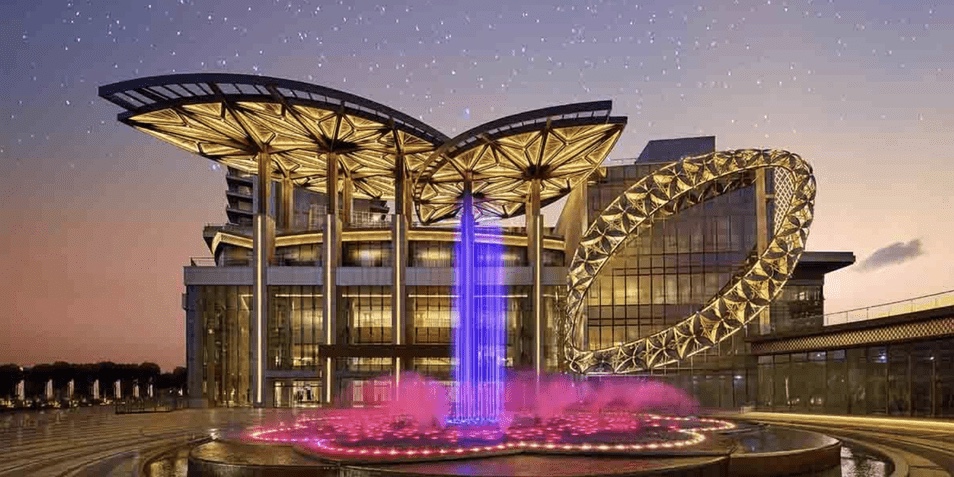
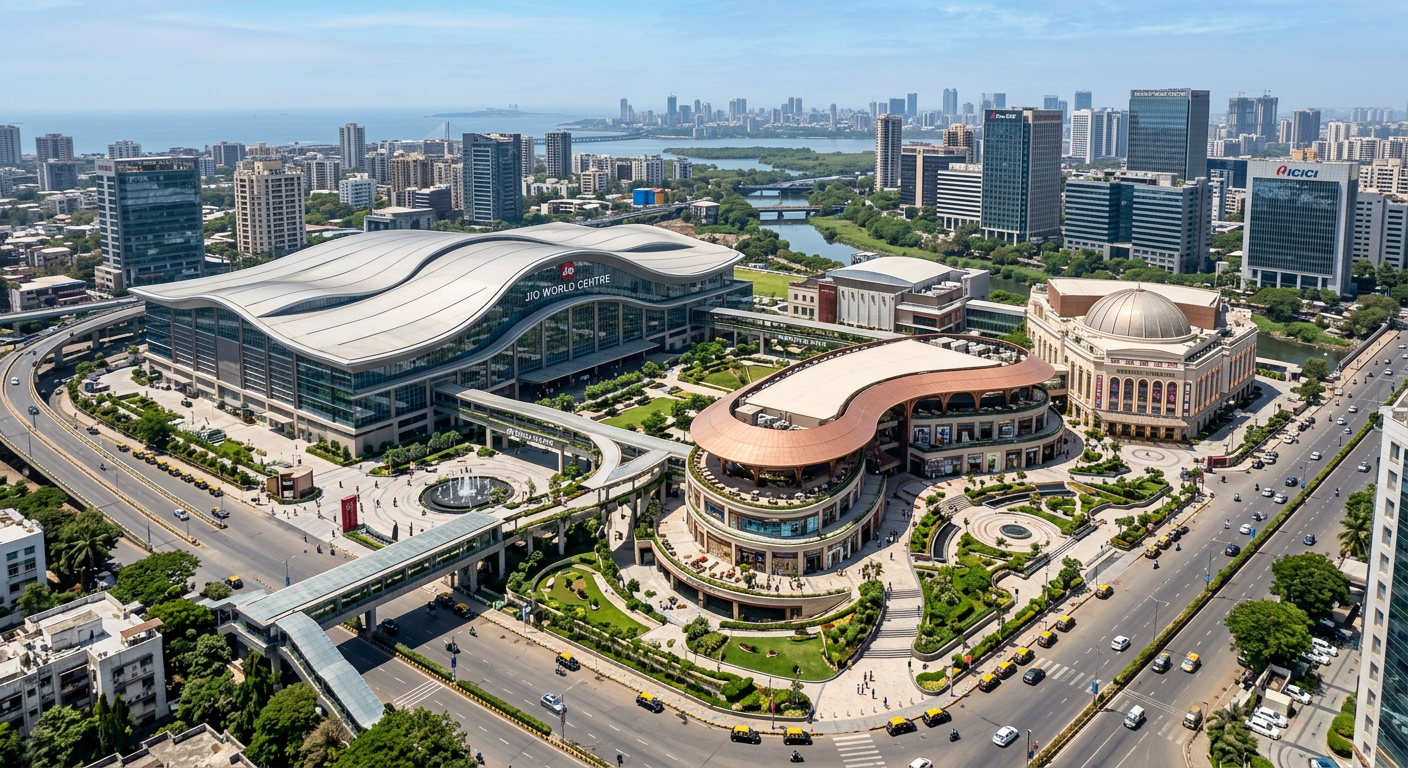
The two experiences are nodes within an interconnected private ecosystem. NMACC, housed inside the Jio World Centre, includes a 2,000-seat Grand Theatre, a Studio Theatre, and the Art House, while Jio World Plaza provides a luxury mall with designer brands and fine dining. Together with the convention centre and gardens, it forms a seamless Ambani-controlled campus where a visitor can flow from a Broadway-style show to a high-end restaurant to a contemporary art installation—all under one owner. NMACC's calendar is packed with ticketed events, from classical dance to international productions, with prices ranging from ₹250 to over ₹1,850, reflecting a strategy that blends cultural philanthropy with soft power and commercial real estate value.
The Price of Admission: Who Gets to Be the New Art Public?
The pricing contrast is telling. The Infinity Room at ₹100 functions as a mass prestige gateway, inviting a broad aspirational audience into the Ambani-branded complex for a brief but global art fix. HONEST, at ₹589, filters for a smaller, more affluent segment that already frequents luxury malls. This two-tier structure signals a segmentation of cultural access: one experience democratised enough to attract middle-class Mumbai, the other a boutique add-on for those with deeper pockets. Observers note that the cheaper ticket buys the stronger global brand—Kusama—suggesting that for NMACC, footfall and brand equity may matter more than direct revenue from art.
What About Kala Ghoda? The Traditional Gallery Ecosystem
A few kilometres south, Mumbai's historic art district Kala Ghoda operates on a different logic. Here, galleries like the Jehangir Art Gallery and NGMA offer free entry, and the Kala Ghoda Arts Festival spills onto the streets. Art is encountered informally—visitors can linger, return, and converse with artists or gallerists. There is no countdown clock. In BKC, by contrast, every cultural moment is a scheduled, purchased transaction. This rewires the art public from a flaneur who stumbles upon an exhibition to a consumer who books a slot like a movie ticket. The risk is that an entire generation may grow up equating “art” with a controlled, commercialized outing rather than an open-ended civic experience.
Art in the Mall: A Global Trend Gets a Mumbai Twist
Malls worldwide are integrating art to extend dwell time and build status, from large-scale sculptures to digital immersive spaces. In Mumbai, Ambani's BKC precinct represents perhaps the most intense local expression: the commercial centre and the cultural institution are not partners but parts of a single project. By listing the Infinity Room alongside stand-up comedy and mall events on platforms like BookMyShow, high art is normalised as just another weekend activity—one that happens to occur next to a Hermès store. The question is whether art gains a bigger audience in the mall, or whether it becomes merely another consumable backdrop.
What Kind of Cultural City Is Mumbai Becoming?
There is no denying that the Ambani cultural infrastructure has brought world-class facilities and global programming to Mumbai. The Infinity Room alone is a coup that few Indian museums could pull off. Yet the concentration of cultural power in a single private, luxury-retail ecosystem raises uncomfortable questions: Will funding and audiences drain away from Kala Ghoda's eclectic, street-level scene? Are we training the next generation to experience art only as a timed, ticketed mall event? As BKC solidifies its role as Mumbai's new cultural gravity centre, the city must reflect on whether it is gaining a richer arts scene or merely outsourcing its creative soul to a billionaire-backed campus.
Sources
- Infinity Mirrored Room - BookMyShow
- India's first ever mirror infinity room installation at NMACC Mumbai #mumbai #toptrending #artwork
- NMACC 'Infinity Mirrored Room' By- Yayoi Kusama's
- Kusama Infinity Mirrored Room at NMACC Extended to July 30
- Nita Mukesh Ambani Cultural Centre - Mumbai, India
- Most Creative Art Exhibition in NMACC | India's First Ever Mirror Infinity Room in Bandra Full Tour
- Nita Mukesh Ambani Cultural Centre - Mumbai, India
- Infinity Mirrored room | NMAAC and it's review | Daily vlogs
- Yayoi Kusama's Infinity Mirrored Room installation now in Mumbai at ...
- Art, Culture and Monsoon: Plan The Perfect Weekend With NAMCC Line-Up In Mumbai - Weekend Like Never Before
- The Infinity Mirrored Room and the NMACC
- Calendar - Nita Mukesh Ambani Cultural Centre - Mumbai, India