The 6pm City: How Gen Z Is Quietly Redesigning the Night Out
Gen Z is swapping late-night clubs for listening bars, sober parties, and 6pm coffee raves. Explore how they are creating a safer, more intentional nightlife.
The End of the 3 AM Ritual
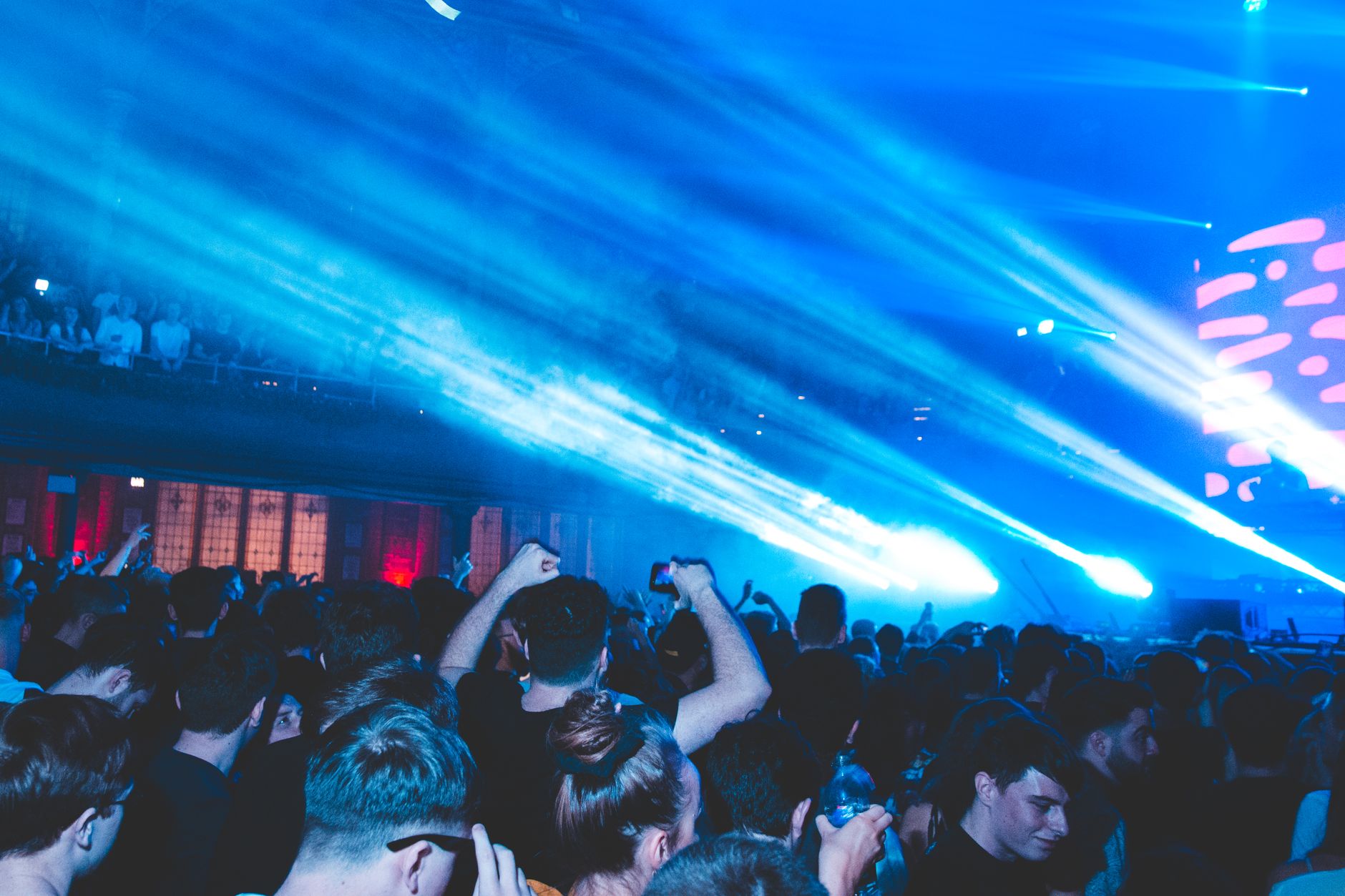
It’s a Friday night in Mumbai, but the 11 PM scramble to get into a packed club isn't happening. Instead, one group is sitting in a warm, wood-paneled room in Bandra, listening intently to a rare jazz record spun on a high-fidelity sound system. Another is dancing in a brightly lit café in Khar, holding a cup of single-origin espresso, completely sober. A third group has already wrapped up a 6 PM dance party organized exclusively for women and non-binary folks, and they’re home by bedtime. This isn’t a niche anomaly; it’s a full-scale redesign of the night out. Gen Z is dismantling the traditional, alcohol-heavy, late-night clubbing model and replacing it with something softer, earlier, and radically more intentional. This shift, often called 'soft clubbing,' is driven by a generation that prioritizes wellness, authenticity, safety, and experiences over sheer hedonism.
The Rise of 'Soft Clubbing' and the Sunset Peak
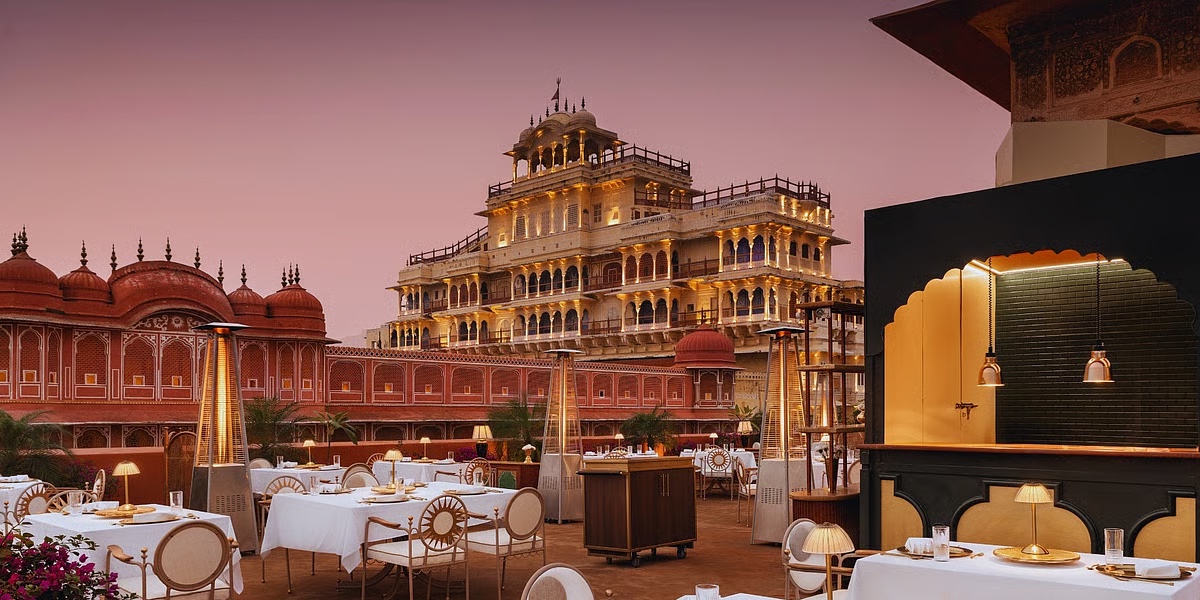
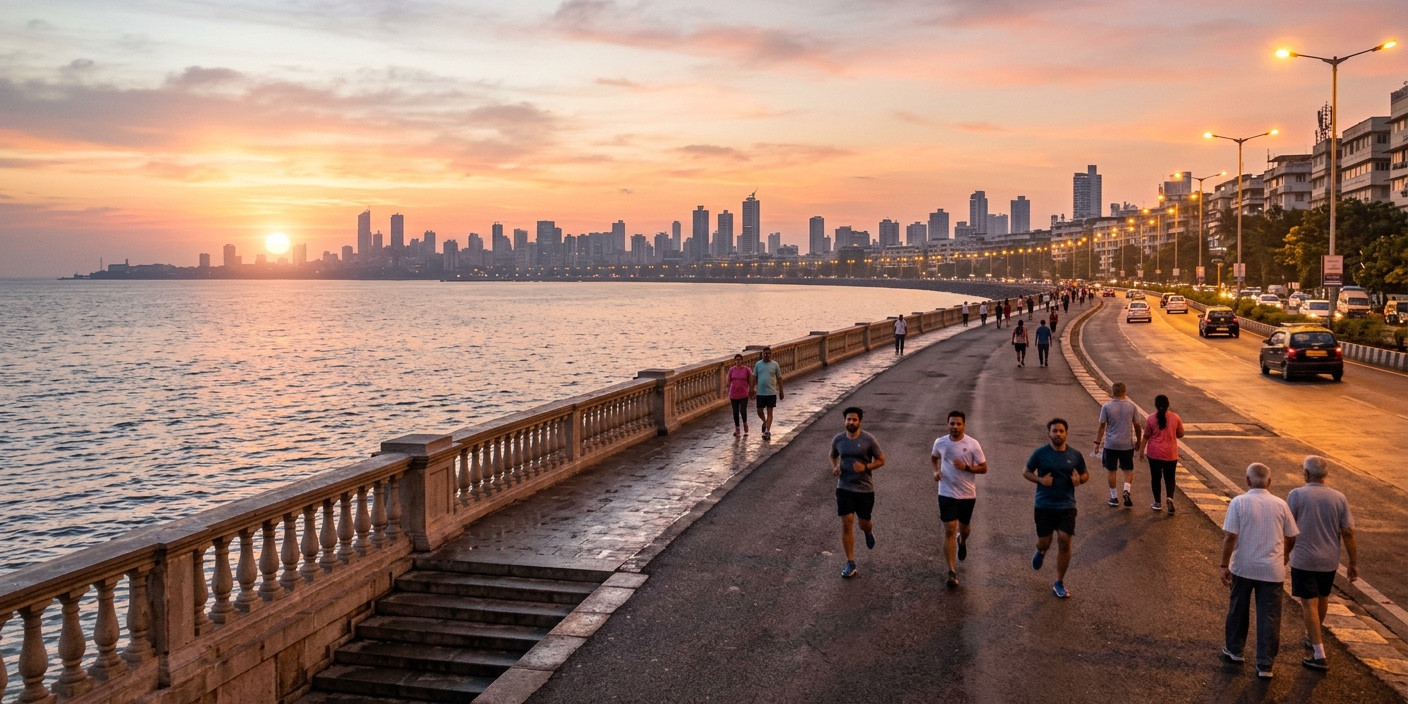
The data confirms a massive temporal shift in nightlife. The peak hours for partying are no longer midnight to 4 AM; they are now 4 PM to 10 PM. Event platforms have recorded a 44% increase in attendance at daytime music and club events, while coffee-based 'club nights' have skyrocketed by 478%. This 'soft clubbing' movement allows young people to socialize, dance, and experience a curated vibe without sacrificing their sleep or next-day productivity. In cities like New York, 6 PM has become the most popular dining hour, with 4 PM and 5 PM reservations seeing double-digit growth. For Gen Z, a night out is becoming a chapter in a balanced day, not a lost weekend. It’s a ritual that allows them to be in bed by 11 PM and at the gym by 8 AM, perfectly aligning with their wellness-focused lifestyles.
Listening Bars: High Fidelity Over High Volume
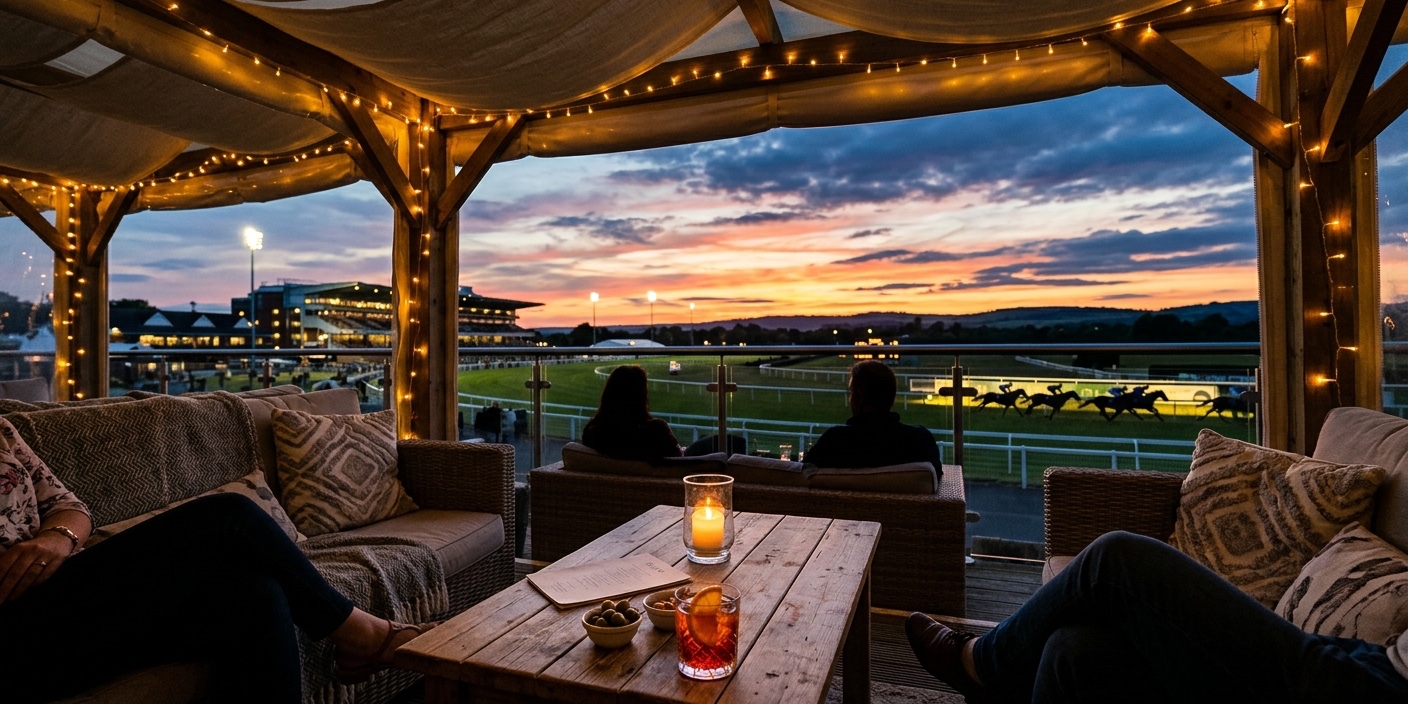
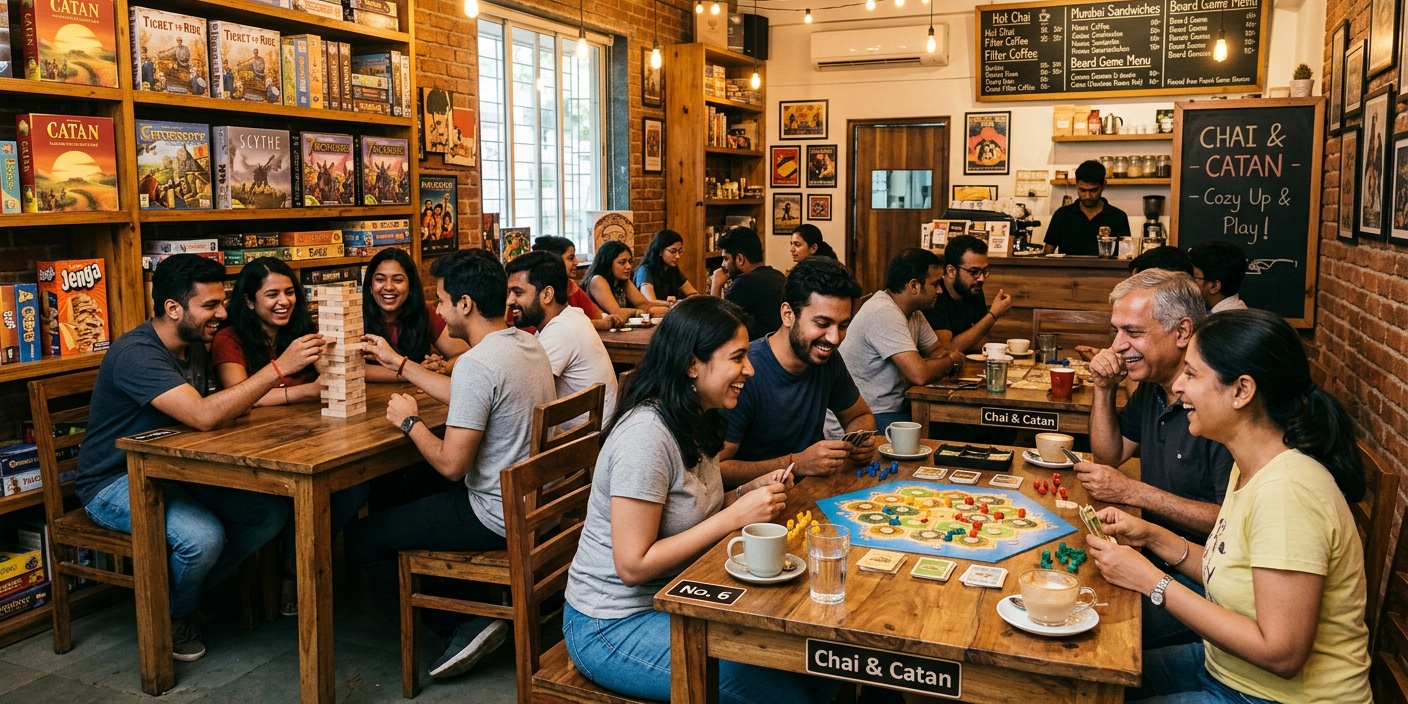
In the quest for intimate, low-stimulus environments, Gen Z is driving a global resurgence of listening bars. Originating from Japan’s jazz 'kissaten' culture, these audiophile bars are built around high-quality sound systems and curated vinyl collections, not dance floors. Unlike a conventional club where music is a backdrop for chaos, a listening bar makes the sound itself the main event. The appeal is multifaceted: it satisfies a generational desire for sonic exploration over generic radio hits, offers a controlled atmosphere that reduces social anxiety, and provides an alcohol-optional setting where craft cocktails or non-alcoholic pairings are sipped slowly. With their warm lighting and analog aesthetics, these spaces are content-friendly and foster genuine conversation, making them the antithesis of the anonymous, high-octane mega-club.
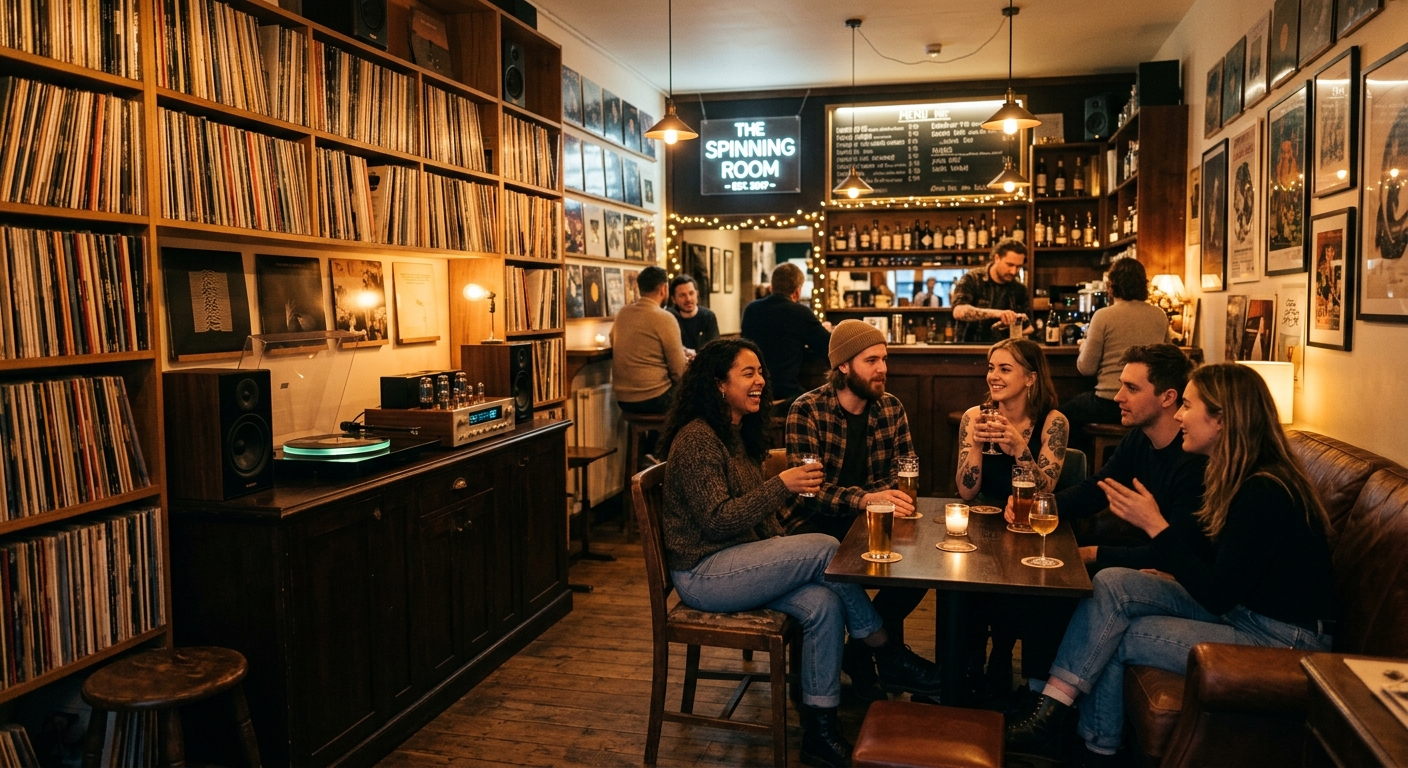
The intimacy of a listening bar caters to Gen Z's desire for sonic exploration and genuine conversation over chaotic dance floors.
Sober Parties and Coffee Raves: Decoupling Fun from Alcohol
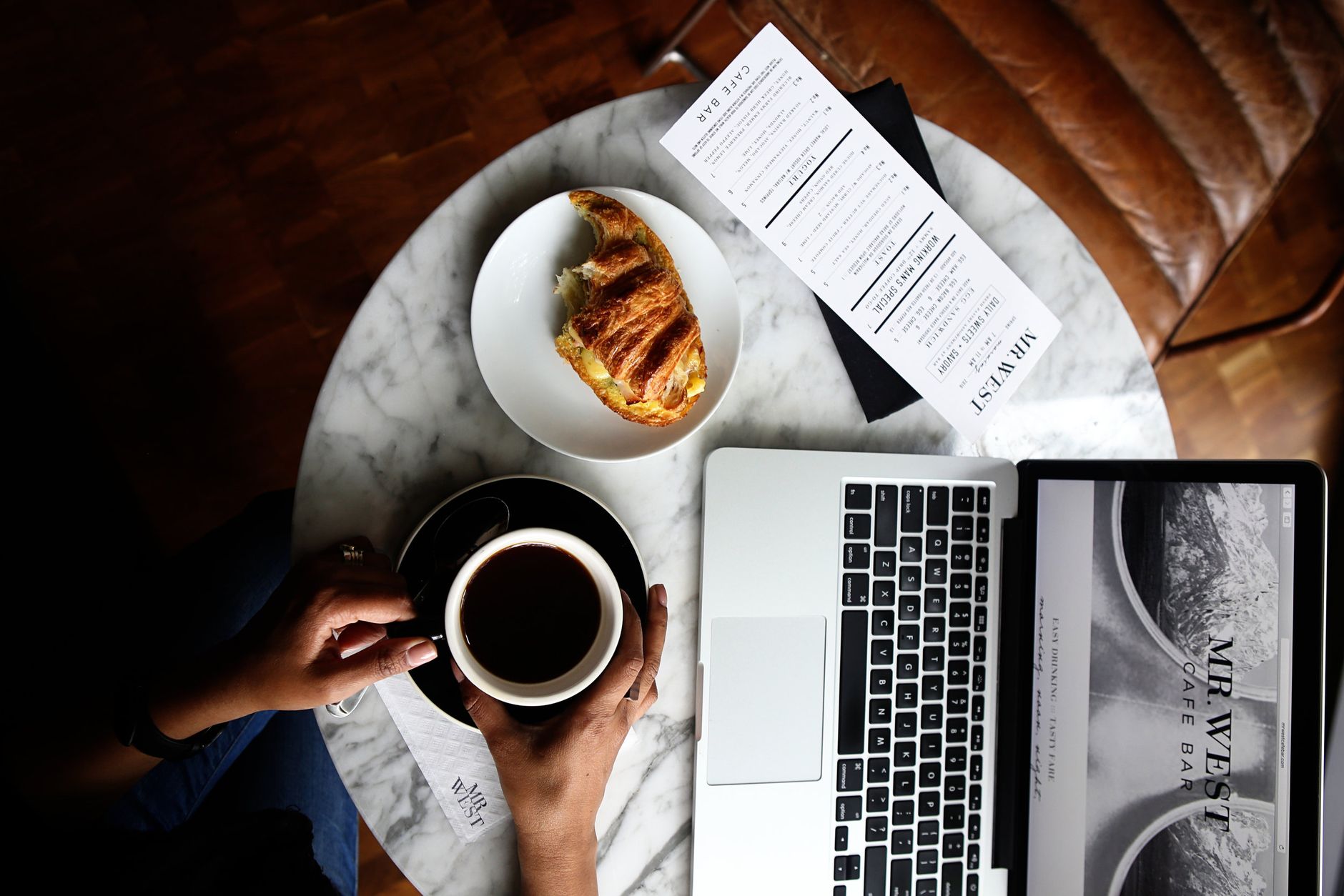
Perhaps the most radical reinvention is the decoupling of nightlife from intoxication. In Indian cities, the sober-curious movement is not just a health trend; it’s a thriving social scene. India’s first non-alcoholic bar in Bangalore offers a full nightlife experience with crafted mocktails and live music, while 'hangover-free' New Year’s Eve parties in Indore feature DJs and zero-proof cocktails. The 'coffee rave' has emerged as a defining Gen Z event, transforming cafés in Mumbai, Gurugram, and Chennai into morning or early-evening dance floors serving espresso and matcha. While data shows Gen Z alcohol consumption in India is rising in volume, it is simultaneously becoming more mindful. Young Indians are 'zebra striping'—alternating between alcoholic and non-alcoholic drinks—and choosing quality over quantity, ensuring that alcohol is an optional accessory to the night, not the central purpose.
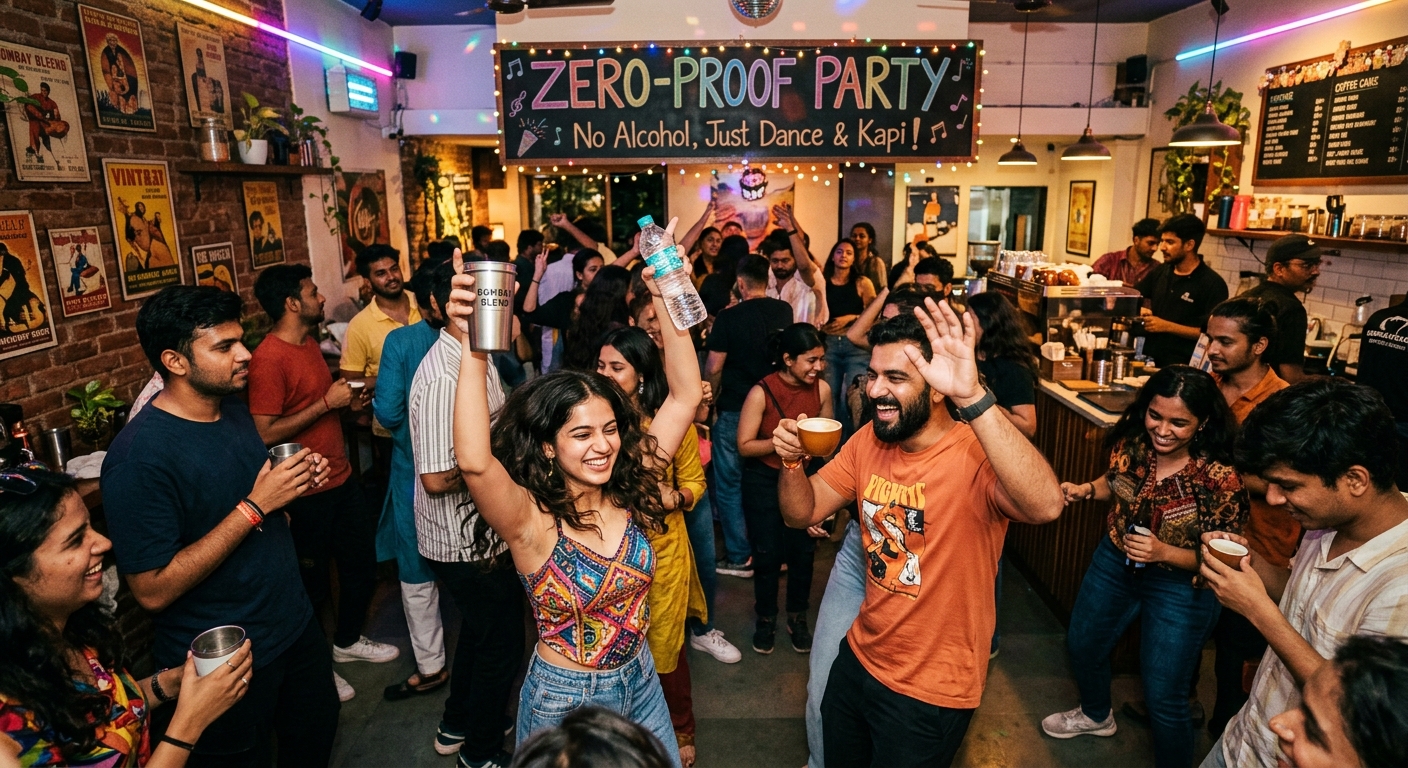
Coffee raves decouple dancing from alcohol, turning cafés into the new sober nightlife destinations for Gen Z in India.
The House Party Renaissance and Safe Spaces
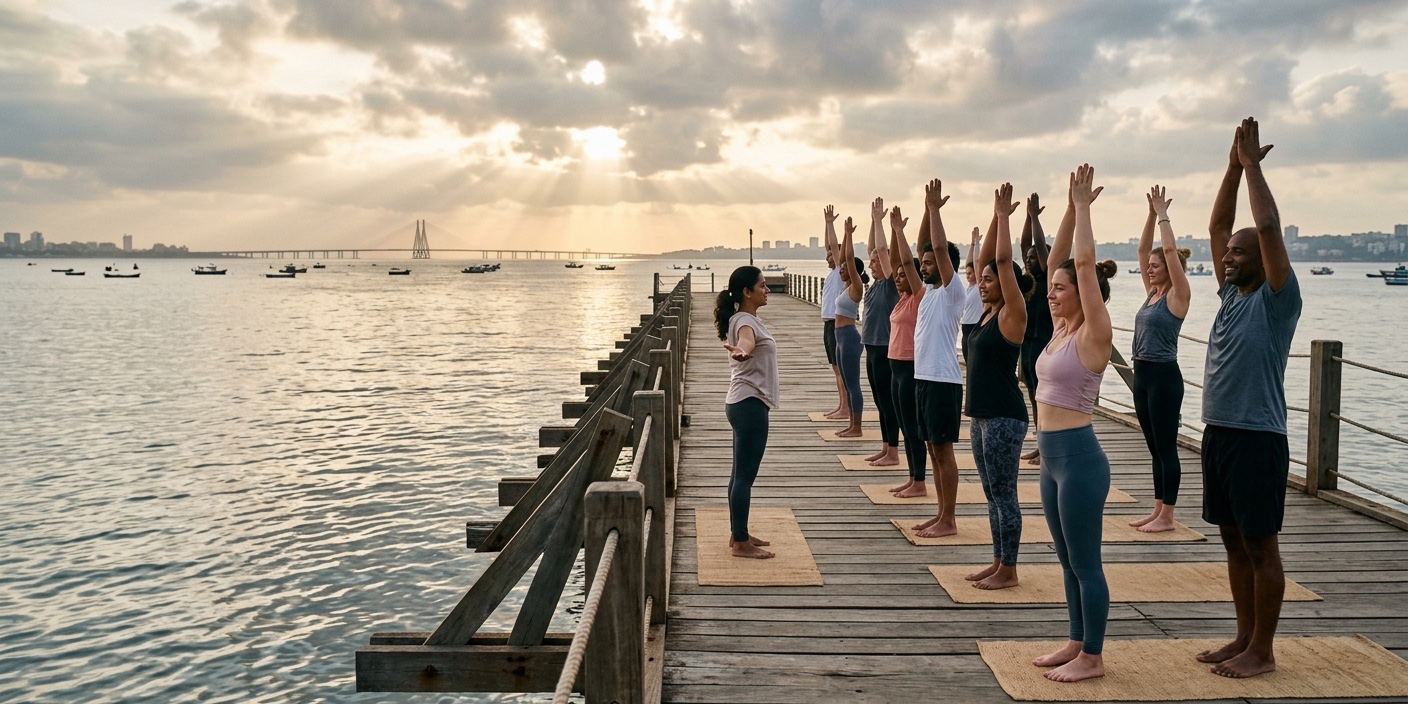
The intimacy of a curated guest list is winning over the unpredictability of public venues. Studies show that 63% of Gen Z prefers hosting or attending parties at home rather than going to clubs, a preference driven by safety, cost control, and the ability to design a personalized atmosphere. This is particularly crucial for women and queer communities, who are spearheading the growth of women-only nightlife communities globally. From Paris’s La Bringue to Dubai’s Unveiled DXB and the Earlybirds Club’s 6-10 PM dance parties, these spaces are built on a foundation of safety, consent, and solidarity. They are not just about excluding men; they are about creating environments where the focus is purely on creative expression and carefree joy, redefining a 'fun night' as one free from harassment and social scrutiny.
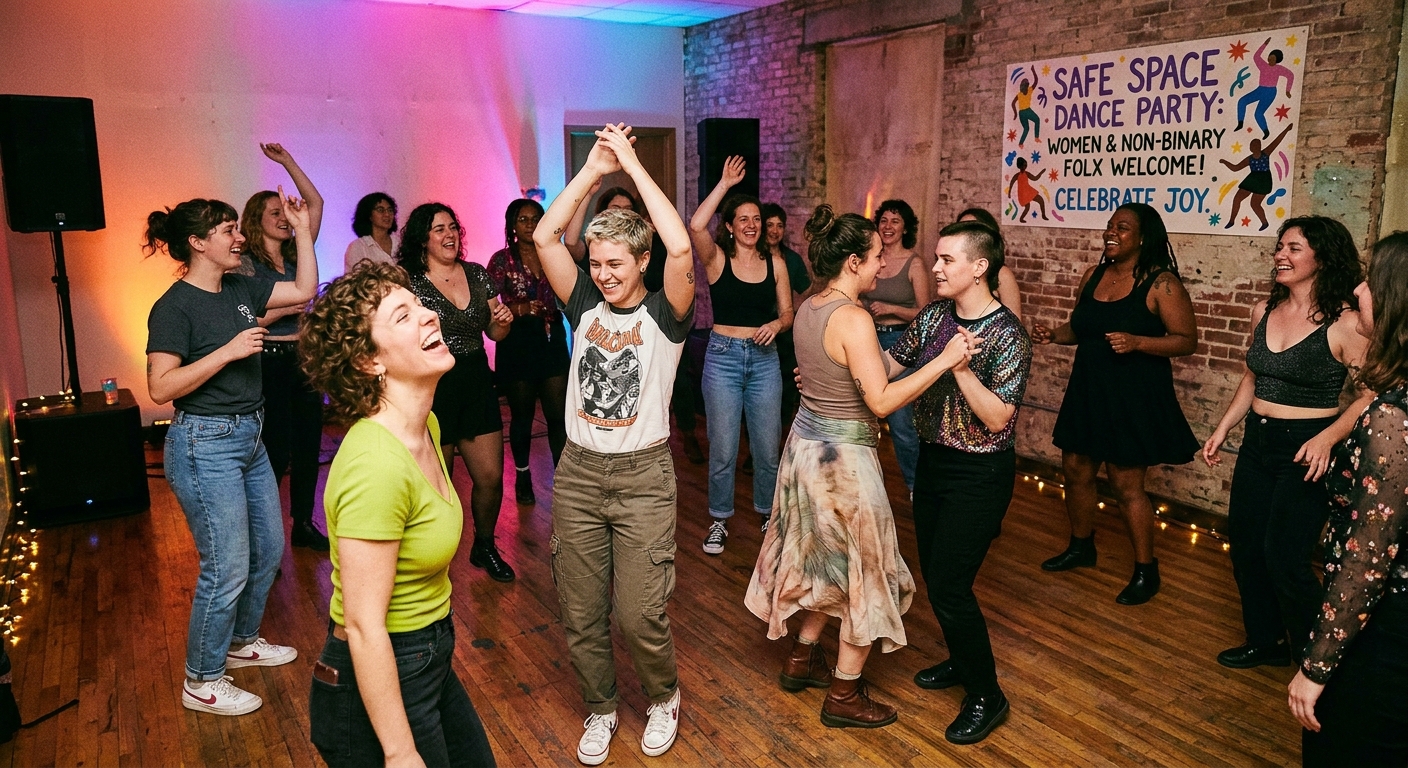
Women-only and inclusive nightlife communities are growing rapidly, prioritizing safety, consent, and creative freedom.
Theatrical Sips: Experiential Cocktail Bars
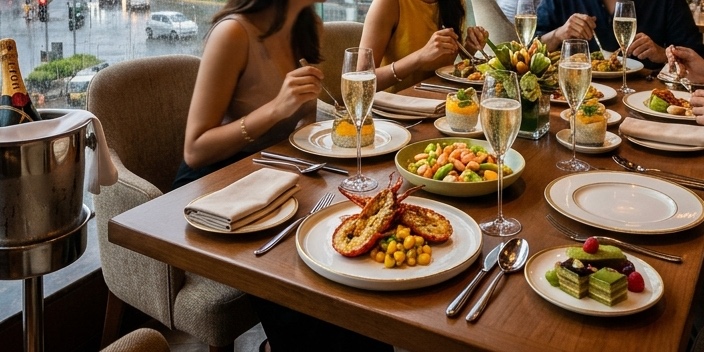
When Gen Z does choose to drink, they demand a spectacle. The era of VIP bottle service is giving way to ticketed, immersive cocktail experiences. A bar might transport you into a narrative world with themed rooms and timed seatings, or serve a drink designed around a specific form of water with elaborate staging. In India, cocktail programs are becoming theatrical performances where drinks are plated like dishes and integrated into a story. This shift is economic as well as cultural: industry data shows a 40% drop in VIP bottle sales per customer, while ticket sales for curated experiences have risen. Gen Z is willing to pay a premium for participation and a 'TikTok-able' moment, favoring a single, high-quality, interactive drink over an endless stream of diluted spirits.
The Micro-Pilgrimage Across the City
While Gen Z might not travel internationally for nightlife, they will happily traverse their own city for a specific, meaningful event. This 'micro-pilgrimage' is driven by a search for identity alignment and curated hype. A young person in Delhi might cross the city for a women-only listening session or a specific coffee rave that matches their values, even if a generic club is closer. The motivation is not just the music but the promise of a deal, a unique theme, or a space where they feel genuinely seen and safe. Cafés have become the new 'third places' in this landscape, serving as late-night, sober-friendly hangouts that are cheaper and less intimidating than bars. This migration for one perfect night out proves that Gen Z’s selectivity is reshaping urban geography, creating destination venues that thrive on authenticity rather than convenience.
A Softer, Smarter Future for Nightlife
Gen Z is not necessarily anti-alcohol or anti-party; they are anti-compulsion. They are the architects of a nightlife ecosystem that is fluid, inclusive, and built around personal boundaries. The future of a night out is not about waiting until midnight to shout over a DJ in a packed, dark room. It is about a 6 PM dance party that ends early, a quiet room with a perfect sound system, a theatrical cocktail that tells a story, or a café that becomes a dance floor without a drop of liquor. This shift is forcing urban infrastructure, from Bangalore to Berlin, to retool bars and cultural spaces into hybrid day-night venues. The new night out is softer, smarter, and more intentional—a reflection of a generation that wants to feel good tomorrow, not just tonight.
Sources
Why Gen Z Is Redefining Nightlife: 11AM is the new 1AM......
Gen Z are ditching nightlife in favour of ‘soft clubbing ...
Gen Z Nightlife Revolution: Inclusive, Sober-Curious, and Sustainable
Gen Z Nightlife Trends: Next Generation is Reshaping the Scene
Some Gen Zers are nostalgic for an era of clubbing they didn’t get to experience
Audiophile Bars: Listening Bars in Japan, NYC & Beyond | PRIOR
What are sober parties and why is this LA trend making it to ...
Why Gen Z is choosing sobriety and what it means for drinking culture
Going sober? Meet the communities that make giving up drinking fun
No Buzz, All Vibe: My Discoveries at India’s First Non-Alcoholic Bar in Bangalore - Waivio
Gen Z defies 'sober generation' label, alcohol consumption picking up
Gen Z in 'high spirits' as boomers wind down - The Economic Times
Earlybirds Club | A Dance Party for Ladies With Shit to Do in the ...
La Bringue: Girl-only parties for a night out in Paris — upcoming dates
Unveiled DXB: a new kind of ladies’ night comes to Dubai | The National
Top Indian Cities with Nightlife + Safety Index for Women (Ranked) -
Gen Z's "Soft Clubbing" Proves the Party Isn't Over, It's Evolving
Frequently Asked Questions
What is 'soft clubbing'?
Soft clubbing is a Gen Z-driven nightlife trend that moves away from late-night, alcohol-heavy partying. It focuses on earlier hours (often 4 PM–10 PM), curated experiences like listening bars or coffee raves, and a greater emphasis on wellness, conversation, and non-alcoholic options.
Why are Gen Z choosing listening bars over conventional clubs?
Gen Z values intimacy, authenticity, and low-stimulus environments. Listening bars offer high-fidelity sound for sonic exploration, a seated and relaxed atmosphere for conversation, and an alcohol-optional setting, contrasting sharply with the anonymous chaos of mega-clubs.
Are sober parties becoming popular in Indian cities?
Yes, sober parties, coffee raves, and zero-proof bars are thriving in Indian cities like Mumbai, Bangalore, and Gurugram. These events offer the energy of a night out with music and dancing, but replace alcohol with crafted mocktails, coffee, and a focus on wellness and safety.
Why are women-only nightlife communities growing?
These communities are a direct response to safety concerns, harassment, and unwanted advances in traditional nightlife. They provide a controlled, empowering space for women, trans, and non-binary people to enjoy dancing and socializing without scrutiny or risk.
Why do people go out earlier now?
Gen Z prioritizes sleep, mental health, and next-day productivity. Going out earlier, for 'daycaps' or early-evening events, allows them to enjoy a social life and still maintain a balanced routine, getting home safely and at a reasonable hour.