
India's Padel Clubs: Top Places to Play in 2026
Discover the best padel clubs in Mumbai, Delhi, Bengaluru, Chennai, Hyderabad and more. Explore courts, lifestyle venues, and how India's padel scene is booming.

Padel Nights in Mumbai: The New Third Place
It’s 9 p.m. at Courtside in Worli, and the glass-walled padel courts are bathed in floodlight. On one court, four players in doubles rally with crisp volleys and wall rebounds; on the sidelines, a group sips specialty coffee and cocktails from the all-day bistro, while next door a Pilates class winds down. This isn’t just a sports club—it’s a glimpse of how padel is reshaping urban leisure in India. From a single court in Bangalore in 2017, the country now counts over 90 courts across 23 cities, and the clubs driving this boom are as much about community and lifestyle as they are about the game.
What Is Padel and Why Is It Taking Over India?
Padel is a doubles racket sport played on an enclosed court about a third the size of a tennis court, using solid bats and lower-compression balls. The walls keep the ball in play, creating longer, more social rallies that are easier to pick up than tennis. India’s first recorded court appeared in Bangalore in 2017; by 2024 there were around 100 courts nationwide. Current directories list 91 courts in 23 cities and 54 active padel clubs as of mid-2026. The sport thrives in dense metros where full-size tennis facilities are scarce, and it feeds a broader appetite for compact, social fitness activities alongside the parallel pickleball wave.
Mumbai: India’s Padel Laboratory
With 23 courts, Mumbai is the undisputed padel capital. The Padel Park network spans Malabar Hill, Cooperage Stadium in Colaba, Bandra, Worli, and Stanislaus High School in Bandra West, offering everything from scenic coastal courts to community-focused venues. Padel Project in Powai, tucked inside Supreme Business Park, delivers polished courts and a modern ambience perfect for working professionals. Courtside in Worli takes the lifestyle concept further: a 20,000-square-foot space with three padel courts, a pickleball court, an all-day bistro and cocktail bar, specialty coffee, Pilates and Barre sessions, and recovery zones with ice baths and saunas. Other notable addresses include Radio Club, SkyPadel in Vile Parle, Urban Padel & Pickle GTC, and the public-access Padel India at Andheri Sports Complex. V Padel Arena in Wadala East and PadelPark Bandra are also recognised competition venues on the Asia Pacific Padel Tour, proving Mumbai’s clubs are plugged into regional circuits.
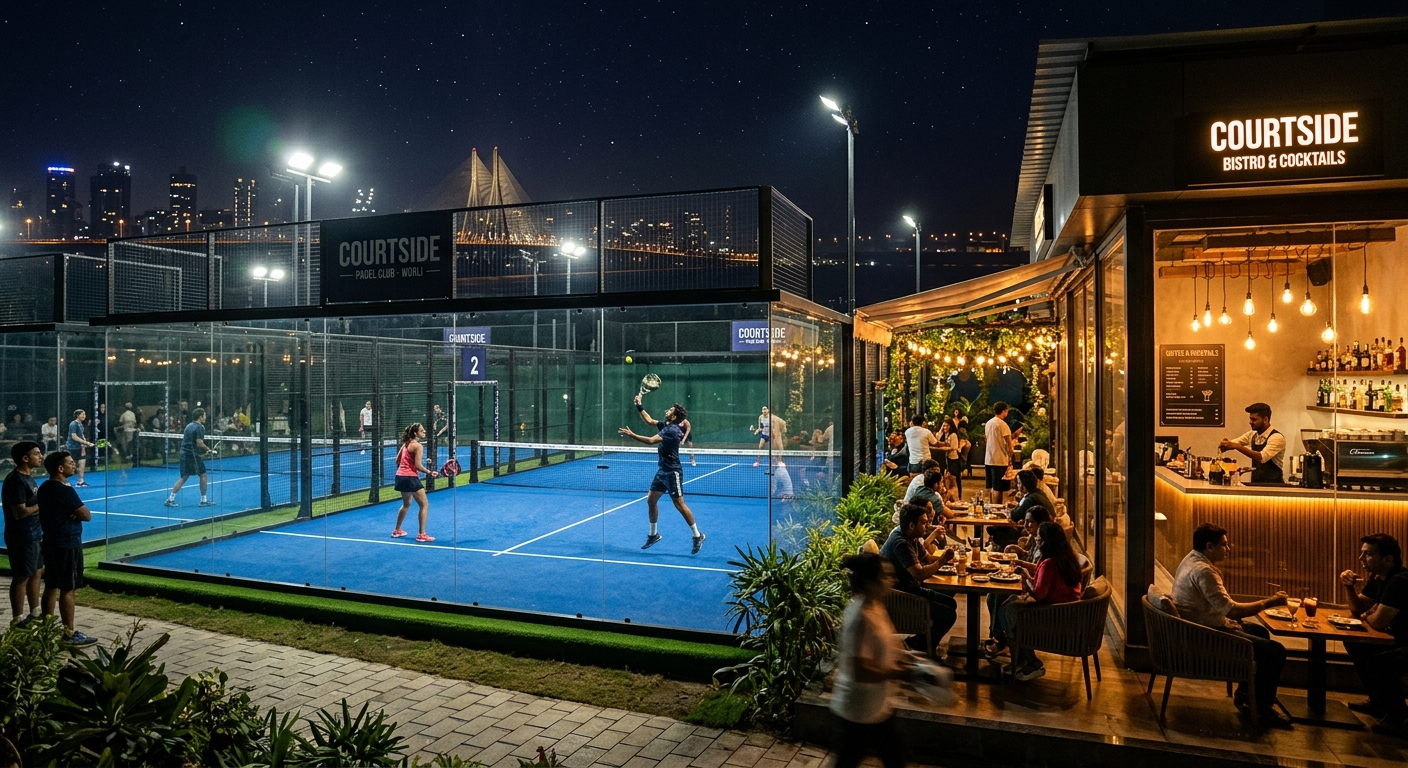
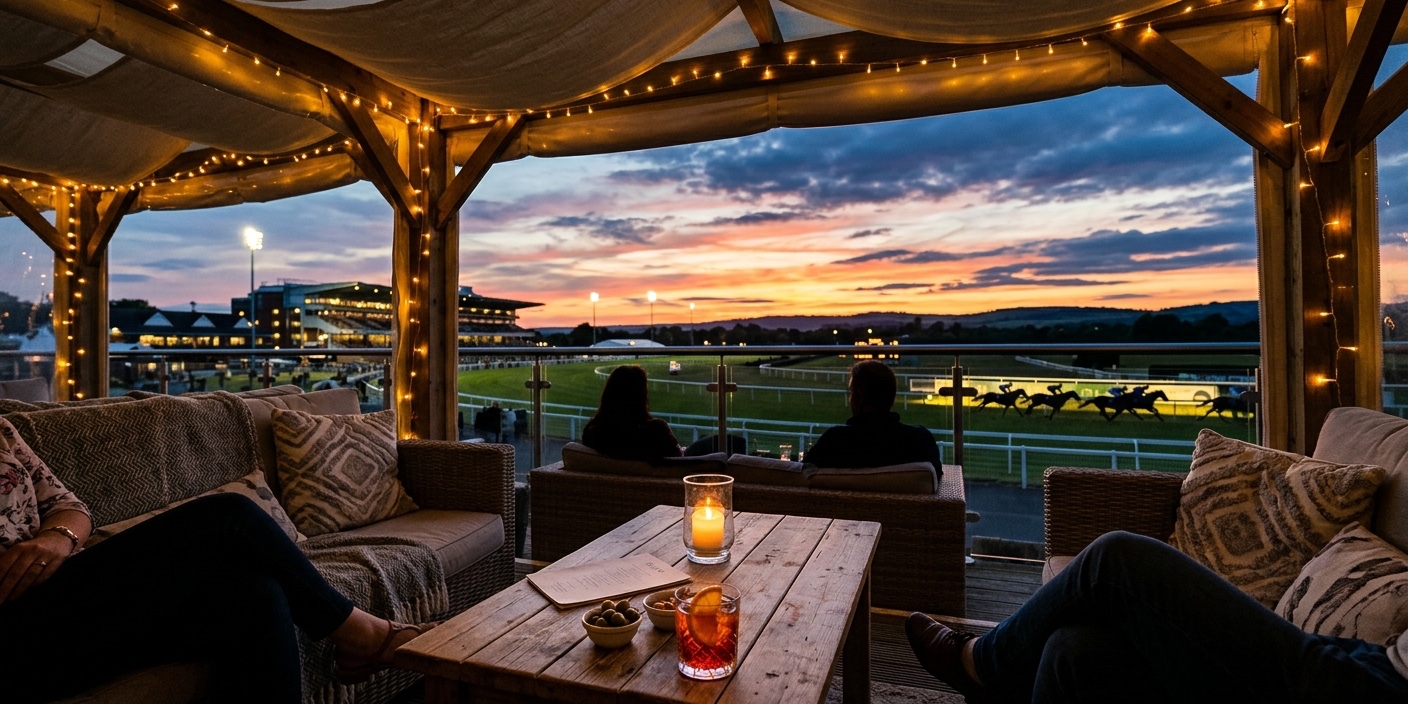
Courtside in Worli blends padel with dining, coffee, and recovery facilities.
Delhi NCR and Bengaluru: Emerging Hubs
Delhi NCR’s padel heartbeat is Hamoni Red Padel, a leading arena known for quality courts and a strong racket-sports community. Additional courts are cropping up in Delhi, Noida, and Gurgaon, often inside multi-sport complexes or paired with cafes and co-working spaces. Bengaluru, the birthplace of Indian padel, remains a key centre. The Indian Padel Federation lists an outdoor IPF Padel Court in Sadashivnagar, while Padel Mania serves as a hub for tech-city professionals. Multi-sport venues like Backyard Sports Club are weaving padel into existing football and fitness ecosystems, reflecting the city’s early-adopter spirit.
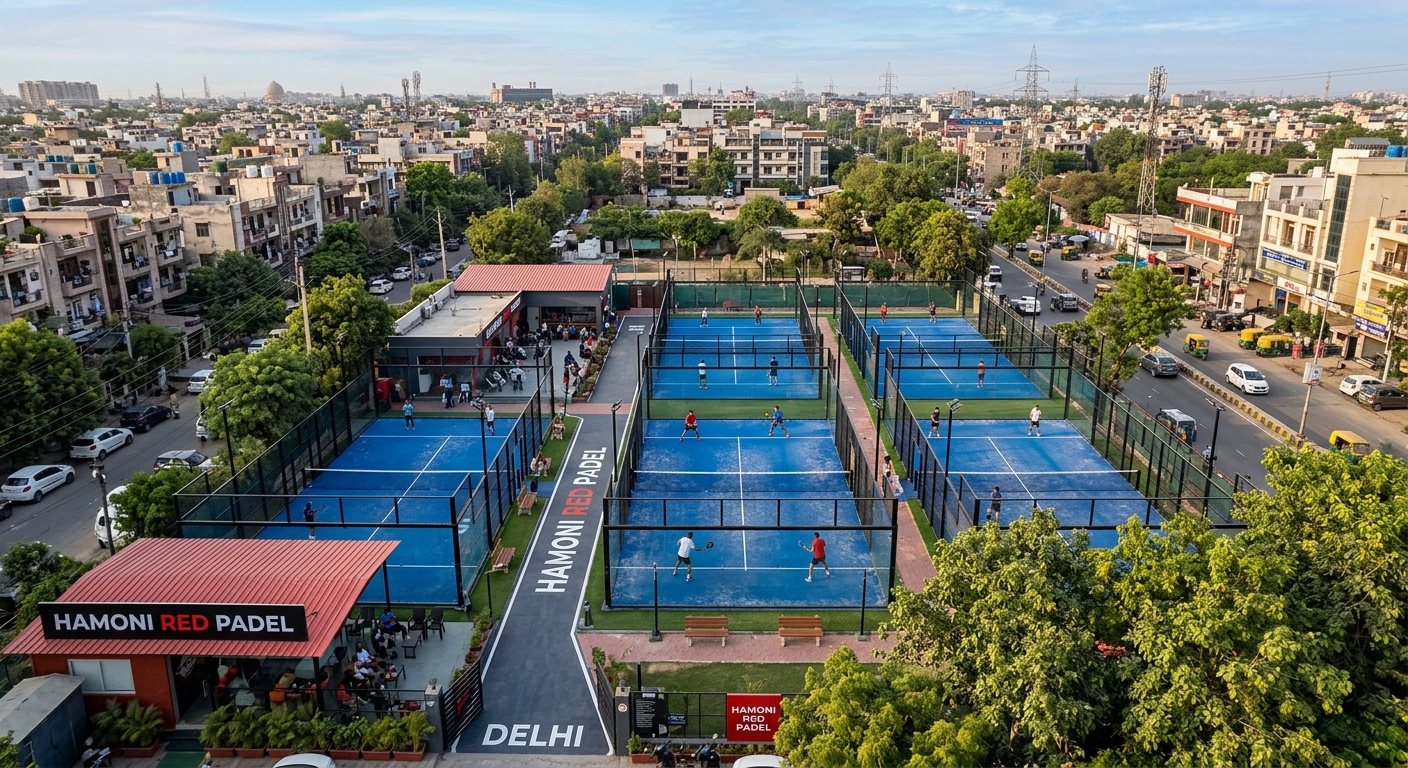
Hamoni Red Padel is a leading padel destination in Delhi NCR.
Chennai, Hyderabad, Gurgaon, and Beyond
Chennai’s flagship is The Padel Sports Co, one of around eight courts across the city that cater to its strong tennis culture and coastal climate. In Hyderabad, Padel Adda is the go-to arena, while the presence of a padel facility at the Pullela Gopichand Badminton Academy in Gachibowli signals recognition by elite sports institutions. Gurgaon’s Padel Rushh in Sector 65 is a dedicated club in a fast-developing corridor, positioning padel as a premium residential amenity. The map extends to Jaipur (5 courts), Pune (3 courts), and emerging dots in Kochi, Kolkata, Panchkula, and smaller corporate townships, illustrating that padel is no longer confined to Tier-1 cities.
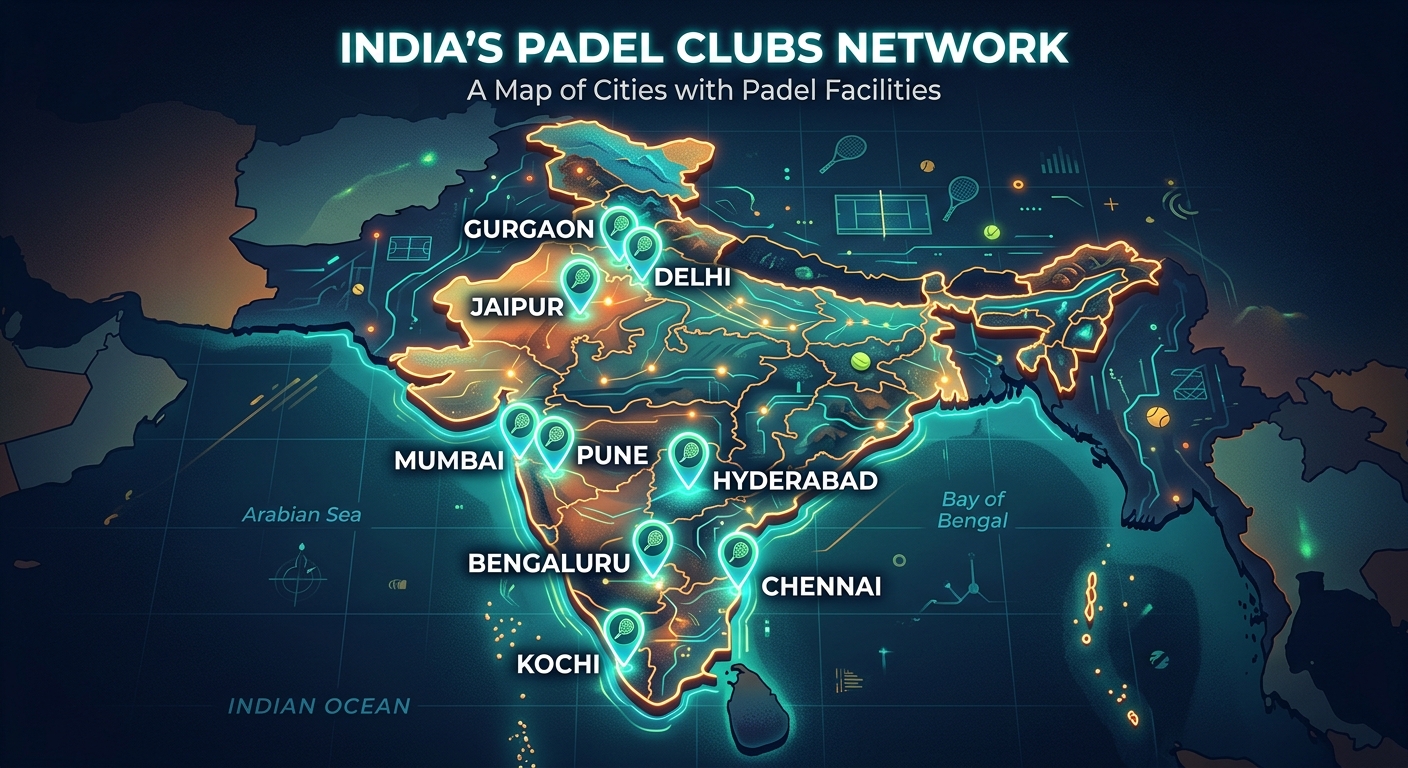
Padel clubs are now spread across 23 cities in India.
How Clubs Are Shaping Padel Culture
Beyond the courts, clubs are building a full-fledged culture. Coaching academies, social leagues, and corporate tournaments are becoming standard. Lifestyle integration is the differentiator: venues like Courtside and Padel Project pair sport with dining, specialty coffee, and wellness, turning a padel session into an evening out. Digital platforms such as Playtomic and PadelMap now list Indian clubs for booking and matchmaking, while The Padel Company acts as a national hub for courts, coaches, and community. Its Padel Digest blog provides rules, tactics, and stories, nurturing a knowledge ecosystem around the sport.
The Road Ahead: From Boutique to Mainstream
India’s padel landscape is at a crossroads. Premium lifestyle clubs in Mumbai and Gurgaon cater to affluent audiences, but public-access venues like Andheri Sports Complex demonstrate a path toward broader accessibility. The Indian Padel Federation is formalising competitive pathways, and the inclusion of Indian arenas in the Asia Pacific Padel Tour hints at a professional future. Whether padel remains a boutique urban pursuit or scales into a mass-participation sport will depend on investment in public infrastructure, coaching, and affordable access. For now, the clubs themselves are the most visible engine of growth, turning glass courts into new social anchors for Indian cities.
A New Kind of Club
From the floodlit courts of Worli to the academy-backed facilities in Gachibowli, padel clubs are redefining how urban Indians play, connect, and unwind. They are part gym, part social club, and part third place—a reflection of a country embracing racket sports not just as exercise, but as a lifestyle. As the court count climbs and new venues open their doors, the question is no longer where to play padel in India, but which club you’ll call your own.
Sources
Frequently Asked Questions
What is padel and how is it different from tennis and pickleball?
Padel is a doubles racket sport played on an enclosed court one-third the size of a tennis court, using solid bats and lower-compression balls. It’s more accessible than tennis due to shorter rallies and walls that keep the ball in play, and faster-paced than pickleball with glass-wall rebounds.
Which Indian city has the most padel clubs?
Mumbai leads with 23 courts and multiple high-profile clubs like Padel Park, Courtside, and Padel Project, making it the country's padel capital.
How can I book a padel court in India?
Many clubs allow direct booking through their websites or apps like Playtomic and PadelMap, which list available courts and time slots across cities.
Is padel expensive to play in India?
Costs vary widely. Premium lifestyle clubs in Mumbai may charge higher fees, while public sports complexes like Andheri Sports Complex offer more affordable access. Many clubs also offer pay-per-play or membership options.
Are there professional padel leagues or coaching in India?
The Indian Padel Federation is developing competitive pathways, and clubs like Padel Park and Padel Project offer coaching academies. The Asia Pacific Padel Tour also includes Indian venues, signaling growing professional opportunities.