10 Chakna Bars in Mumbai: Where Quarters, Snacks, and Local Vibes Collide
Discover 10 iconic quarter bars and permit rooms in Mumbai serving the best chakna, from SoBo heritage spots to Bandra, Andheri, and Versova. Cheap booze, local culture.
Walk into a Quarter Bar: The Smell of Fried Snacks and the Sound of Cheap Quarters
It’s a humid Tuesday evening in Colaba, and the narrow lane behind the Taj Mahal Palace is alive with the clatter of plastic chairs and the hiss of a tandoor. Inside Gokul Bar & Restaurant, every table is packed with a mix of college students, backpackers, and office-goers who have traded their spreadsheets for a 180 ml quarter of Old Monk. The air is thick with the scent of masala chana and sizzling tandoori chicken, and the conversation is loud, unfiltered, and entirely Mumbai. This is the world of the quarter bar—a uniquely urban institution where cheap alcohol and addictive bar snacks called chakna anchor a social ritual that cuts across income, age, and postcode. In a city of soaring cocktail prices and velvet-rope door policies, these permit rooms and chakna bars are the stubborn, beating heart of Mumbai’s drinking culture. They are places where a full session—a few drinks and a plate of snacks—can still cost less than ₹500, and where the vibe is always more important than the décor. Over the next few thousand words, we’ll take you through ten of the best chakna bars in Mumbai, from heritage South Bombay haunts to suburban stalwarts, and from old-school permit rooms to modern beer halls that are reimagining what chakna can be.
The Quarter Bar Decoded: What Makes a Permit Room, and Why Chakna Matters
Quarter bars, also called permit rooms, are small, often unglamorous neighborhood bars that serve alcohol by the ‘quarter’—a 180 ml measure—alongside simple, salty, and spicy snacks known as chakna. The term ‘permit’ harks back to the days when a state-issued permit was required to legally drink in Mumbai, and these rooms became the affordable, working-class alternative to pricier establishments. Chakna is the unsung hero of this ecosystem: think masala peanuts, chana, chakli, fried pakodas, and basic tandoori meats, all designed to be shared with fingers and paper plates while drinking cheap spirits or beer. The economics are startling. At an old-school quarter bar, a session of two drinks plus chakna can fall in the ₹200–₹500 range, while at newer craft-oriented bars with more elaborate chakna, you might spend ₹800–₹1,500. In the most iconic spots, prices sink even lower—Janata Bar in Bandra is known for drinks starting at just ₹40, while Gokul’s beer hovers around ₹100. These numbers are not just nostalgia; they’re a lifeline for students, gig workers, and early-career professionals grappling with rising alcohol prices. But the appeal goes beyond cost. Chakna is the great equaliser, a culinary language of salt, crunch, and spice that turns a bare-bones room into a communal gathering space. In the last few years, lifestyle media and younger drinkers have rediscovered these bars, reframing them as dive bars and secret beer spots, even as older regulars worry about the spotlight changing their beloved, affordable corners.
South Mumbai’s Holy Trinity: Gokul, Cafe Oval, and Cafe Ideal
No chakna trail in Mumbai is complete without a pilgrimage to South Bombay, where the city’s oldest and most iconic quarter bars cluster around Fort, Churchgate, and Colaba. Gokul Bar & Restaurant, tucked behind the Taj Mahal Palace, is the rite-of-passage entry point. Its cramped, no-frills interior is legendary among backpackers, students, and South Bombay’s old guard, all rubbing shoulders over quarters of rum and plates of masala chana. The menu is straightforward North Indian bar food—tandoori items, fried snacks—delivered fast and cheap, with beers starting at roughly ₹100. A short walk away, opposite the Oval Maidan, Cafe Oval epitomises the quintessential college-belt permit room. Office workers and students from the nearby university swarm the small, straightforward space for post-lecture or post-shift beers, with a full chakna-and-drinks session reliably staying within the ₹200–₹500 band. Farther up in Girgaon, Cafe Ideal offers a retro, time-capsule feel far removed from the trend-chasing bars of Bandra. Its unpretentious fried snacks and masala peanuts are exactly what you want with a cold beer, and the crowd is a comfortable mix of long-time regulars and a younger generation chasing old-school authenticity. These three bars together demonstrate why quarter-bar chakna is judged not by presentation but by how well it supports the drinking—salty, crunchy, and endlessly shareable.
Heritage Permit Rooms: Sunlight Bar and Cafe Universal
If you want to feel the raw, unfiltered pulse of Mumbai’s drinking history, head to the dense market lanes of Dhobi Talao and the colonial-era business district of Fort. Sunlight Bar, tucked inside Kalbadevi’s wholesale market, is a heritage permit room where the interiors are cramped, the crowd is overwhelmingly local, and the chakna is legendary in its simplicity. Masala peanuts and fried chicken arrive on paper plates, and on some evenings, the room erupts into karaoke or informal singalongs, giving the bar a theatrical, almost filmi energy. It’s a space that embodies the ‘dive bar’ aesthetic—rough around the edges, deeply embedded in the neighbourhood, and utterly unbothered by modern trends. Over in Fort, Cafe Universal stands as a dignified old-world bar with peeling paint, high ceilings, and a menu of egg dishes, cutlets, and masala peanuts that hasn’t changed in decades. Office workers from the surrounding business district and heritage-walk enthusiasts end their day here with a quarter and a snack, the price point as frozen in time as the décor. Both Sunlight and Cafe Universal show that heritage in Mumbai’s bar scene doesn’t mean polished restoration; it means stubborn continuity, where the chakna and the quarters are still the main event and the story is told by the regulars who have been coming for thirty years.
Suburban Staples: Janata Bar, 7 Hills, and Kamal Chhaya
The quarter-bar tradition doesn’t end at the South Mumbai boundary. Bandra, Juhu, and Andheri each have their own chakna champions that serve the same purpose for a different mix of locals. Janata Bar (also known as Janata Bar & Restaurant), near Pali Naka in Bandra West, is arguably the most famous budget bar in the city. With drinks starting at a jaw-dropping ₹40, it’s the go-to pre-game spot for everyone from creative professionals to old-timers, the kind of place where plastic chairs, cheap beer, and simple chakna create a vibe that no amount of interior design can replicate. In Juhu, an area dominated by five-star hotels and pricey lounges, 7 Hills stands out as the cheapest drinking den, beloved for its unpretentious mix of masala peanuts, fried snacks, and kebabs. It’s a reminder that even in the toniest neighbourhoods, a proper chakna session is still within reach. Meanwhile, in Andheri West, Kamal Chhaya near Azad Nagar Metro station has become a local legend. Redditors celebrate its relaxed ‘uncle bar’ atmosphere, with separate air-conditioned and non-air-conditioned sections, and a menu of crispy fried snacks, masala chana, and other staples that pair perfectly with quarters and beers. It’s a quintessential neighbourhood bar where a solo drinker or a group of friends can settle in for a low-key evening without breaking the bank. These three bars prove that Mumbai’s chakna culture is a suburban phenomenon every bit as vital as its South Mumbai roots.
New-School Chakna: Bombay Daak and Public Beer Hall
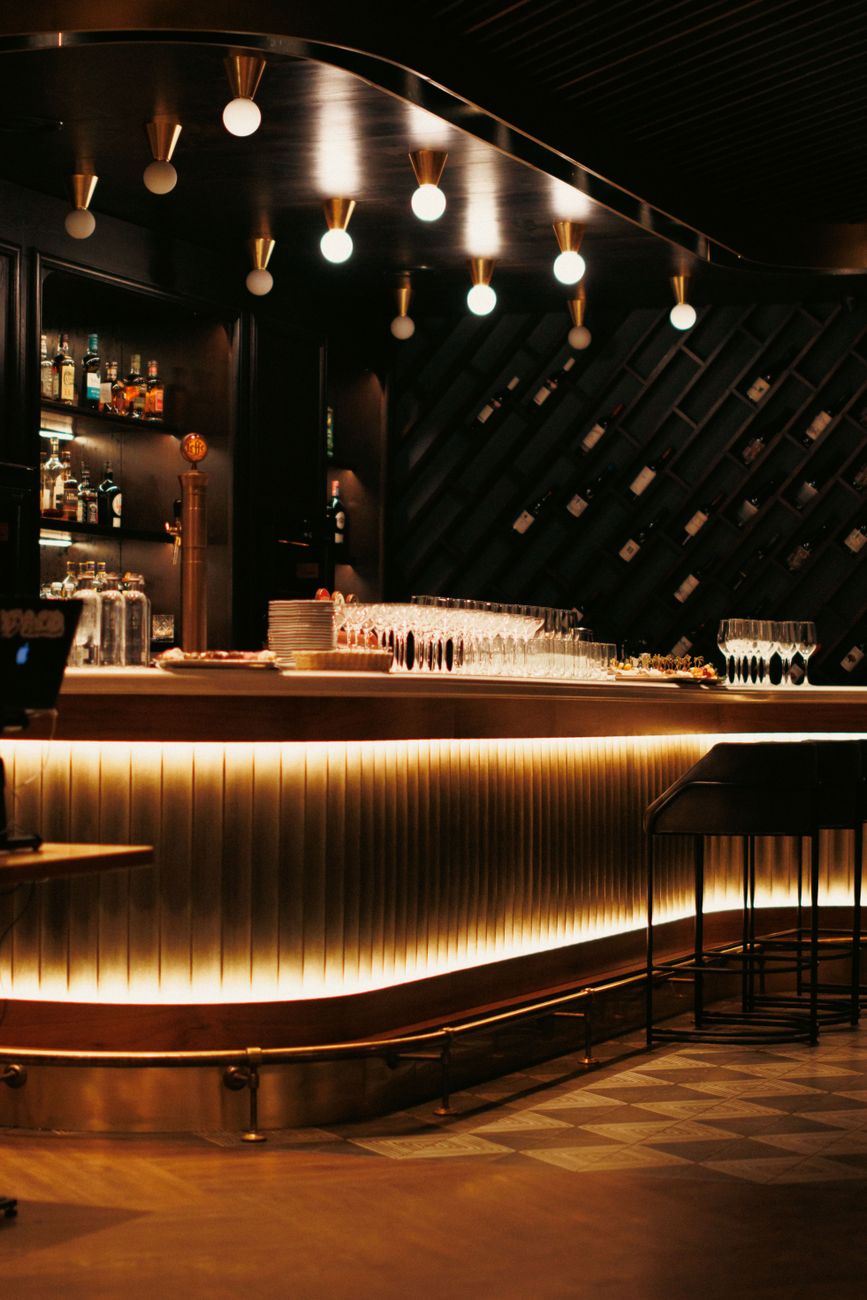
While the classic quarter bars remain beloved, a new wave of chakna-centric venues is reimagining the category for a generation that cares about cocktails and craft beer as much as tradition. Bombay Daak in Bandra West is a modern bar that pays homage to Indian drinking culture, combining a neighbourhood feel with contemporary design and affordable cocktails. Its chakna menu deliberately elevates classic bar snacks, turning masala peanuts and fried bites into something more conceptually driven while still referencing the traditional flavour profiles. It’s a space where you can sip a well-made daiquiri alongside version of chakli that feels both nostalgic and new. Further up the coast in Versova, Public Beer Hall & Snack Bar explicitly celebrates Indian chakna in a no-fuss, industrial-style hall. The focus is on good beer—approachable, not precious—and creative bar snacks inspired by regional Indian drinking food, all served in shareable formats that encourage the same communal energy as a permit room. Both bars represent the gentrification of chakna, where the snacks are curated and the spaces are more inclusive, but the spirit of affordable, social drinking endures. They’re the natural evolution of a culture that has always been about people, snacks, and a drink in hand.
The Free Chakna Bonus: Grand Pride Bar and the Art of Complimentary Snacks
For the ultimate value-for-money experience, a small number of neighbourhood bars take the chakna game one step further—they offer complimentary snacks with drinks. Grand Pride Bar in Ghatkopar West is a prime example. Reports from locals highlight that chakli, masala chana, and even batata vada are served for free as long as you’re drinking, turning the bar into a magnet for value-seeking regulars who want to maximise their evening. The crowd is predominantly male, and the interiors are functional rather than stylish, but the model shows how deeply chakna is woven into the economics of these spaces. It’s a loyalty tool, a way of saying, “Stay a little longer, have another quarter.” While not every bar can afford to give away snacks, the concept of complimentary chakna speaks to the core philosophy of the quarter bar: the drinking is the priority, and the food is there to support it, not to make a profit on its own. For budget-conscious drinkers, it’s a revelation, and it’s one more reason to explore the less-glamorous corners of the city’s bar scene.
The Changing Face of Mumbai’s Chakna Bars: Authenticity, Inclusion, and the Gentrification Question
As quarter bars and chakna culture gain media attention, a quiet tension simmers between long-time regulars and the newcomers drawn by YouTube walkthroughs and dive-bar listicles. Some worry that the spotlight will raise prices, sanitise the interiors, and dilute the very rawness that makes these bars special. This is the gentrification of the chakna bar—a shift from unpolished, male-dominated spaces to more consciously designed, inclusive venues. Women and queer patrons, who may have felt uncomfortable in some older permit rooms, are increasingly finding homes in bars like Bombay Daak and Public Beer Hall, where the atmosphere is deliberately welcoming. Yet the old-school spots still hold their own; Janata Bar, Kamal Chhaya, and Gokul remain mixed and vibrant, proof that a cheap quarter and a solid plate of chakna can cut across gender and class. The tension between nostalgia and innovation is real. Some purists argue that chakna should remain basic and cheap, while chefs and bartenders see it as a canvas for storytelling and regional pride. The truth is that both versions can coexist, and the ten bars in this article illustrate that spectrum beautifully. What matters is that the chakna bar, in whatever form, remains a space where Mumbai drinks together, affordably and unapologetically.
Your Practical Guide to Chakna Bar Hopping: Timing, Budgets, and Area-Wise Trails
Ready to explore? Here’s how to plan your chakna journey. Most quarter bars operate from late morning to midnight or slightly later, aligning with office shifts and commuter schedules; early evenings between 6 and 8 p.m. are ideal for a lively but not overcrowded experience. Budgets vary: an old-school permit room session will cost ₹200–₹500 per person, while a modern chakna bar might run ₹800–₹1,500. For a South Mumbai heritage trail, start at Gokul or Cafe Oval, then move to Sunlight or Cafe Universal for a nightcap. For a Bandra pre-game, Janata Bar is the undisputed king, and you can follow it with a more polished stop at Bombay Daak. Andheri locals should make Kamal Chhaya their base, while Versova’s Public Beer Hall is perfect for a craft beer and creative chakna afternoon. Etiquette is simple: order your chakna first, keep the noise cheerful but not aggressive, and tip the staff—they’re part of the experience. Whether you’re chasing the cheapest beer, the most authentic chakna, or a modern twist on Indian bar snacks, Mumbai’s quarter bars and chakna bars are ready to serve you a plate of masala peanuts and a story you won’t forget.
Sources
- Affordable Late-Night Bars In Mumbai
- Top 10 Best affordable Bars, night club and Pubs in Mumbai
- No Cash? Here's Where To Drink Cheap In Mumbai
- Best Dive Bars in Fort | South Bombay | Where to Drink in
- Mumbai local bars are a VIBEEEE!!!!!
- Mumbai’s Secret Beer Bars You NEED To Visit! | Where to Drink
- Mumbai Food: Enjoy booze with value-for-money chakna at these places
- 7 Best Bars in Mumbai for Cheap Booze | Top 7 Episode 9 | Beer, Rum, Chakna & much more
- Quarter bar trail
- 15 Most Affordable Bars in Mumbai - Homegrown
- 10 Best Budget-Friendly Bars In Mumbai - unsobered
- Top 10 best affordable Bars, night club and Pubs in Mumbai Central
- Drink On A Budget At 13 Affordable Bars In Mumbai Starting At ... - LBB
- Where Mumbai's Drinking Right Now - The Cocktail Edit
Frequently Asked Questions
What is a quarter bar in Mumbai?
A quarter bar is a small, neighbourhood permit room that serves alcohol by the 'quarter' (180 ml) alongside simple, affordable bar snacks called chakna. These bars are known for their low prices, casual atmosphere, and deep local roots.
What is chakna and why is it important?
Chakna refers to the salty, spicy, and crunchy snacks served with drinks in Indian bars—masala peanuts, chana, chakli, pakodas, and tandoori bites. It’s designed to support drinking by enhancing taste and slowing intoxication, and it’s central to the social ritual of affordable Mumbai bars.
Which are the cheapest chakna bars in Mumbai?
Bars like Janata Bar in Bandra (drinks from ₹40), Gokul in Colaba (beer around ₹100), and Kamal Chhaya in Andheri are among the cheapest, with a full session of drinks and chakna often costing ₹200–₹500. Grand Pride Bar in Ghatkopar even offers complimentary chakna with drinks.
Are Mumbai quarter bars safe for women?
Many traditional quarter bars have historically been male-dominated, but bars like Gokul, Janata, and newer chakna-focused venues (Bombay Daak, Public Beer Hall) are more mixed and welcoming. It’s always a good idea to visit with a group and during early evening hours for a comfortable experience.
What is the difference between an old-school quarter bar and a modern chakna bar?
Old-school quarter bars prioritise cheap drinks, basic chakna, and a raw, unpolished atmosphere. Modern chakna bars like Bombay Daak and Public Beer Hall offer craft beer, cocktails, and elevated versions of traditional snacks in a more designed, inclusive setting, though they still honour the communal spirit.