
Why Preserving Rajasthan’s Heritage Sites is Essential for the Future
Learn why it's crucial to conserve Rajasthan's heritage sites to protect its rich culture and history. Discover the importance of preservation for future generations.
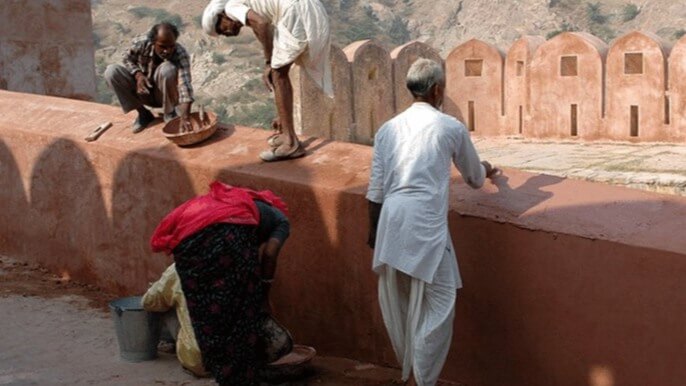
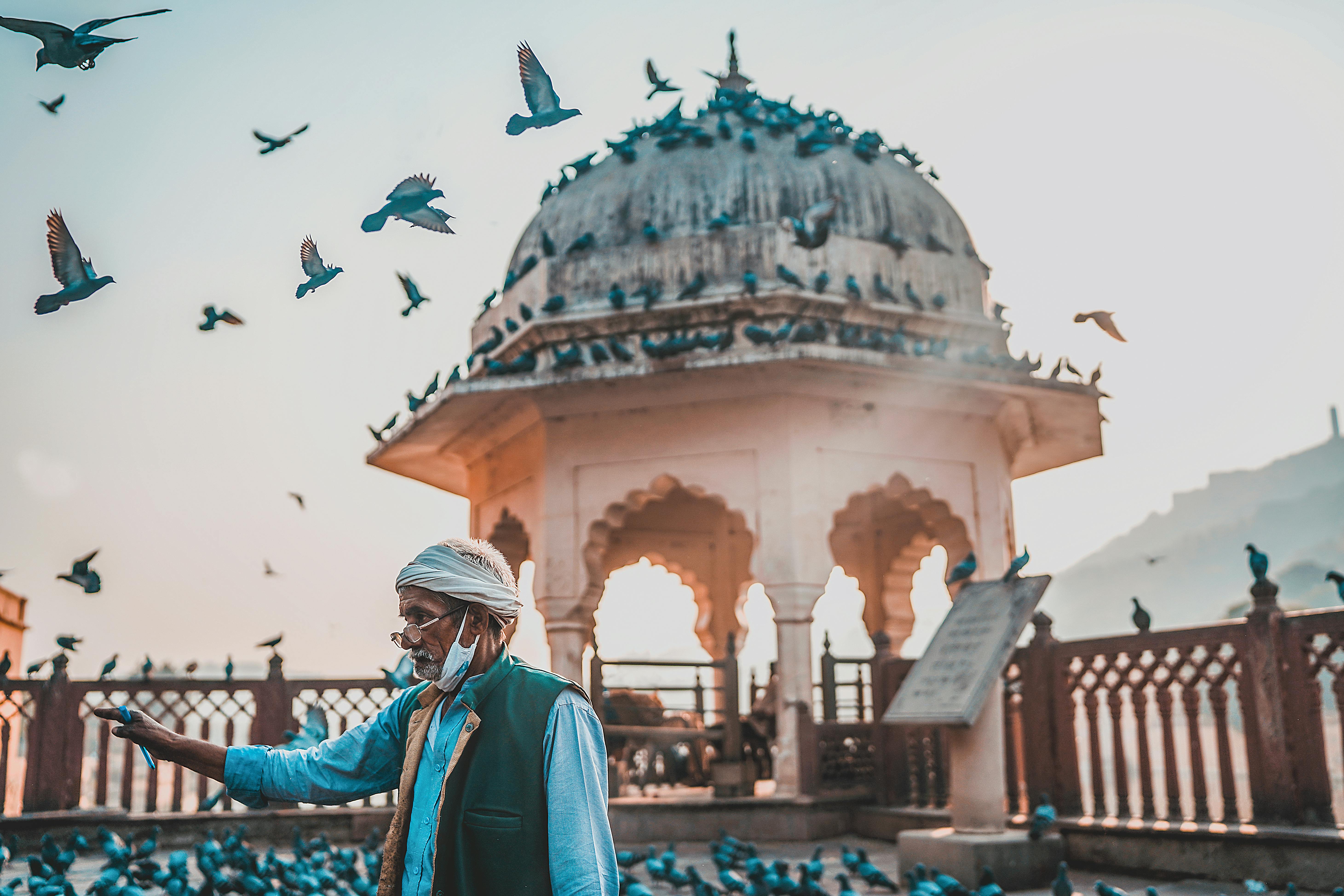
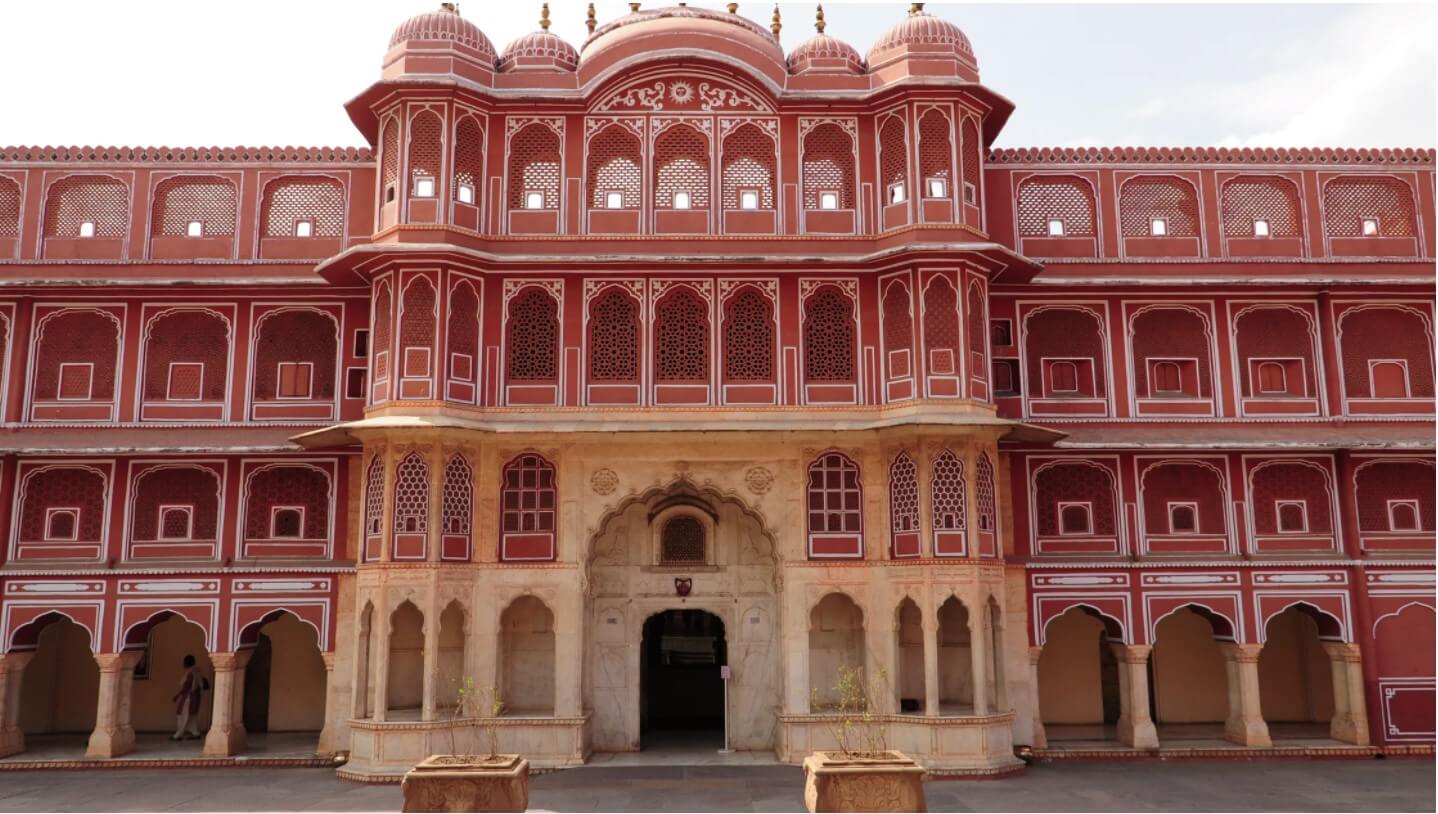
Ornamental havelis, exquisitely carved temples and magnificent forts are some of the major attractions here. The rich heritage of the region and the old world charm of the landscape allures both foreign and domestic visitors.
Each of the ethnic groups across Rajasthan possess expertise in various disciplines ranging from art and craft, handicrafts, architecture, music and dance, which in turn is reflected in its vivid culture and legacy.
Rajasthan has one of the most renowned UNESCO World Heritage sites in India, some of which are:
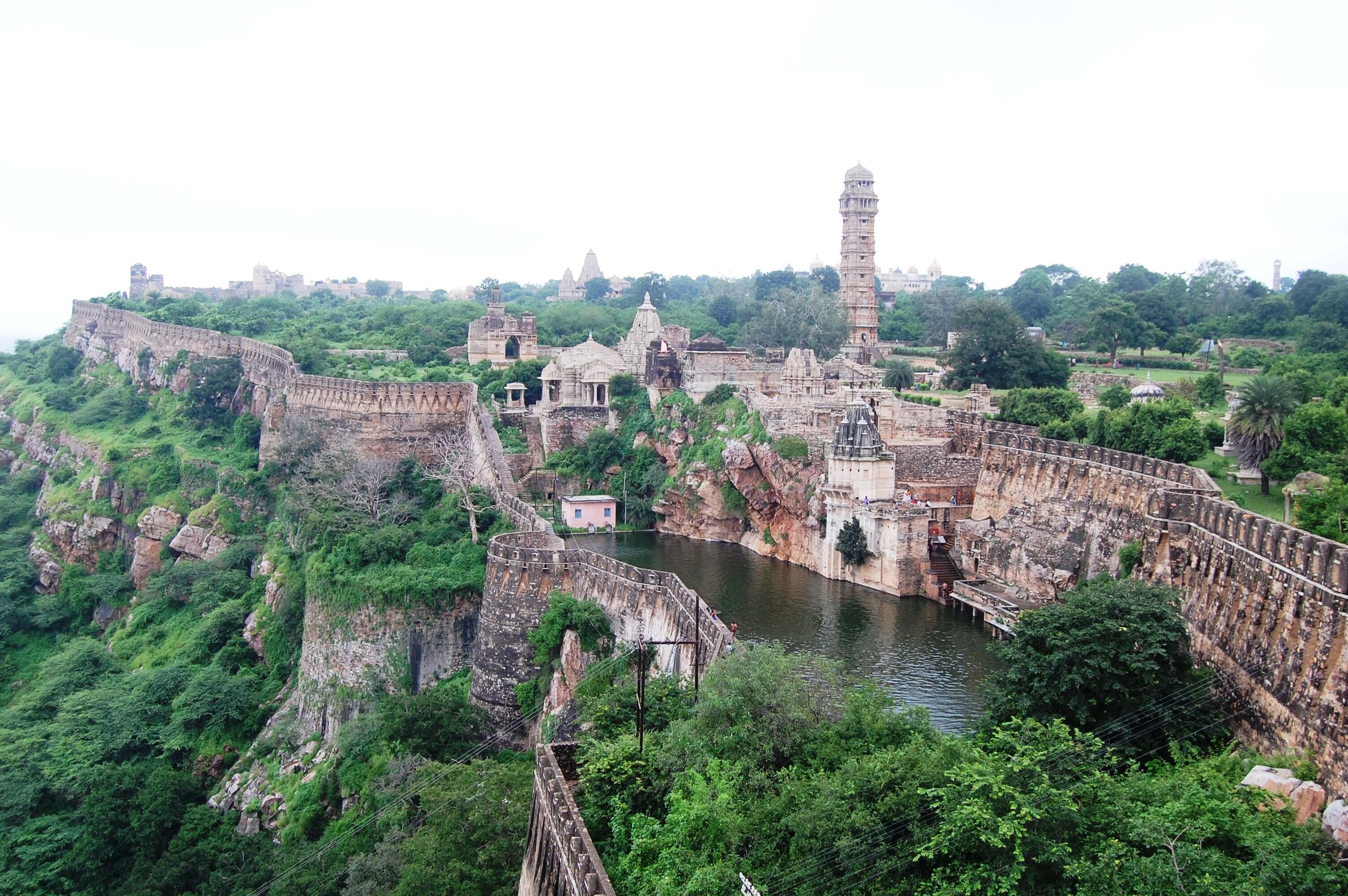
- The 6 hill forts (Chittor Fort at Chittorgarh, Kumbhalgarh Fort at Kumbhalgarh, Ranthambore Fort at Sawai Madhopur, Gagron Fort at Jhalawar and Amer Fort at Jaipur) - Majority of these forts are located in the Aravalli ranges and were built between the 5th and 18th centuries. Some of these forts have defensive fortification walls, and are still surviving as urban centres in present time, and comprise provisions for rainwater harvesting.
- Keoladeo National Park - Located in Bharatpur, this is a renowned and protected avifauna sanctuary that hosts thousands of birds, especially during winters. Scores of ornithologists and birdwatchers stop by this place every year.
- Jantar Mantar - Built by Sawai Jai Singh II, Jantar Mantar is popular for housing the world’s largest sundial. The observation site has a collection of 19 astronomical instruments which enables people to find out astronomical positions with the naked eye.
- The city of Jaipur - In 2019, the UNESCO World Heritage Committee announced the inclusion of the city of Jaipur among its world heritage sites after it met all the inspection standards successfully. Before giving the city this honour, the UNESCO team visited renowned heritage sites in Jaipur, namely, the Diwan-i-Aam, Diwan-i-Khas, Sheesh Mahal, Mansingh Mahal, and the Amer Fort. The Director-General of UNESCO, Audrey Azoulay, was extremely impressed with Amer Fort, highlighting it as a ‘mesmerizing reminder of the past’. Overall, the status of World Heritage City boosts domestic and international tourism, strengthens the local economy and also provides employment to the people.
Despite the magnificent heritage that adorns Rajasthan, there are multiple factors due to which it has been deteriorating over time. From historic ruins, tombs, forts, paintings to mosques, several ancient architectural wonders are becoming victims of an uncultured and careless attitude.
Owing to its archaic methods, even the Archeological Survey of India (ASI), has not been able to do much about this. In spite of every structure experiencing a certain level of wear and tear with time, efforts of ASI are essential in restricting this decay to a certain extent.
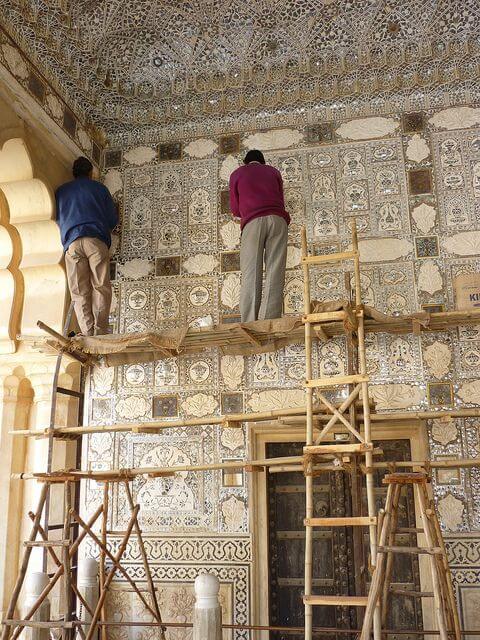
These efforts include - proper assumptions in the design, superior materials for construction, quality of work and craftsmanship, regular maintenance and making efforts to improve civic sense.
However, when the extent of these decays go beyond a certain limit, heritage sites tend to go through structural damages. Disasters like earthquakes, floods, cyclones and fire accidents are known to exacerbate this.
As per structural engineers Mahipal Burdak, AK Gupta and DK Singhal, in their publication Challenges in Conservation of Heritage Structures, there are multiple factors responsible for protecting heritage structures in Rajasthan, from getting deteriorated with time.
As per this publication, “Employment of experienced workmanship, usage of quality materials and erecting earthquake resistant structures can go a long way in helping conserve ancient wonders. Creating a sense of awareness among citizens about the significance of protecting heritage sites is another crucial step in the process. Display of signages spreading the message of conservation and imposition of fines are also imperative to safeguard them.”
The state of Rajasthan has a glorious past that needs to be commemorated and celebrated. It is not only shaping the present, but will also lay the path for the coming days. Taking all the appropriate steps for conservation and rejuvenation is the only way citizens can leave footprints in the right places.
Some resources and links to help you learn more about conservation of heritage sites:
World heritage sites in Rajasthan - World Heritage Journey