
How to Hack Bengaluru’s AI Meetup Scene Without Burning Out
Turn Bengaluru’s chaotic AI meetup scene into a 3-event weekly rhythm using Luma, Eventbrite, and Meetup. A tactical guide for wannabe founders to build skills, spot investors, and find cofounders in small rooms, not big summits.

The Overwhelmed Outsider’s First Night
You land in Bengaluru with a laptop and a startup itch. A quick scan of your phone reveals a dozen AI events this week alone—generative AI workshops, founder mixers, computer vision deep-dives, and a casual hack night over at a coworking space. It feels like a gold rush, but also like a fast track to burnout. The bottleneck isn’t opportunity; it’s knowing where to go, how often, and how to avoid shallow networking. This guide turns that chaos into a deliberate weekly system that builds real technical credibility, a genuine network, and a reputation over the next six months.
Why Bengaluru’s AI Event Density Is a Competitive Advantage
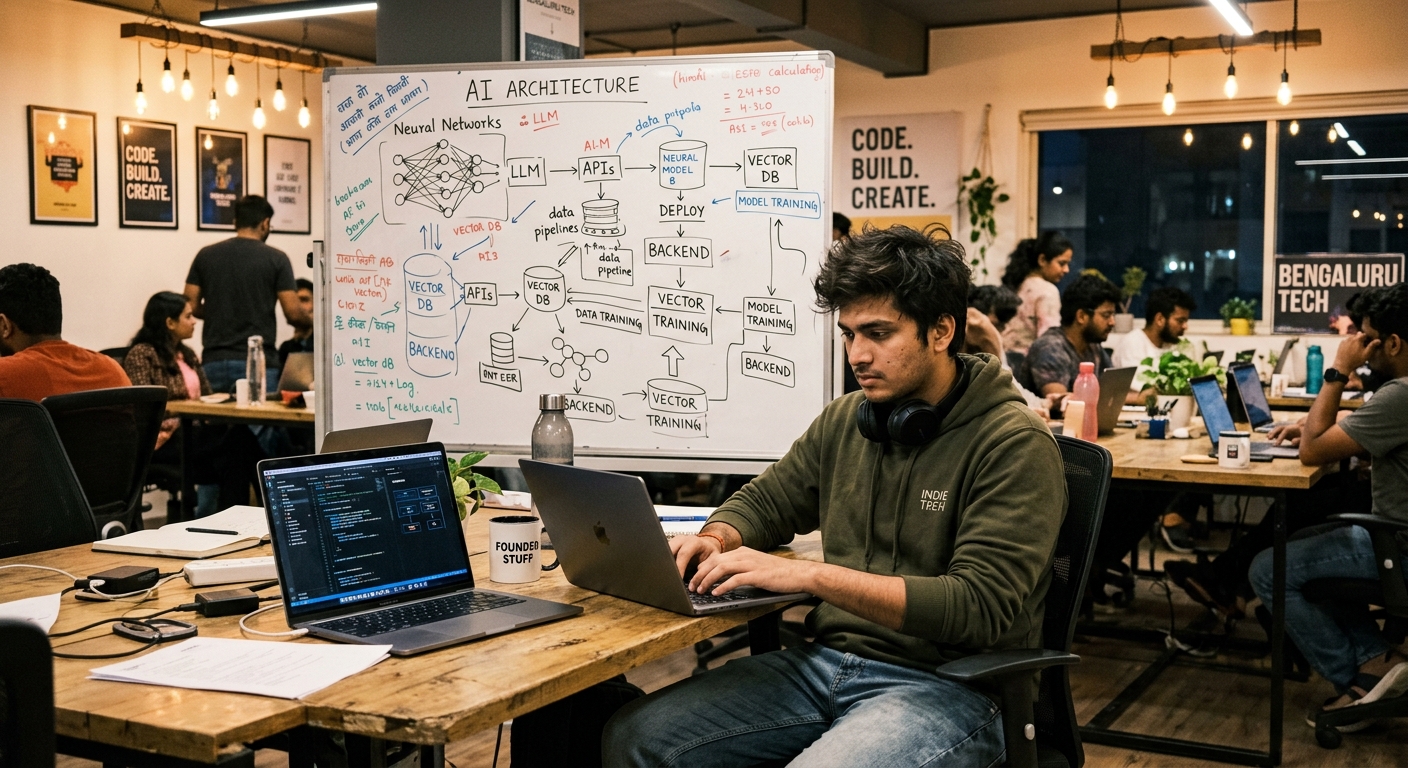
Bengaluru doesn’t just host occasional tech talks. Meetup’s AI category lists multiple active communities, from broad groups like the AI Bangalore Community to niche generative AI and computer vision meetups, with events running on most weeks. Dev.events and AICamp show AI meetups scheduled well into 2025–2027, confirming this is a durable, not a fleeting, trend. Eventbrite’s listings reinforce the pattern with repeated hackathons, founder-focused gatherings, and tool-specific workshops like the FiftyOne computer vision session. For a wannabe entrepreneur, this means you can attend 2–4 AI-relevant events every week if you choose to. The real challenge is filtering that volume into a system that compounds rather than exhausts.
The Core Framework: A 1–1–1 Weekly Rhythm
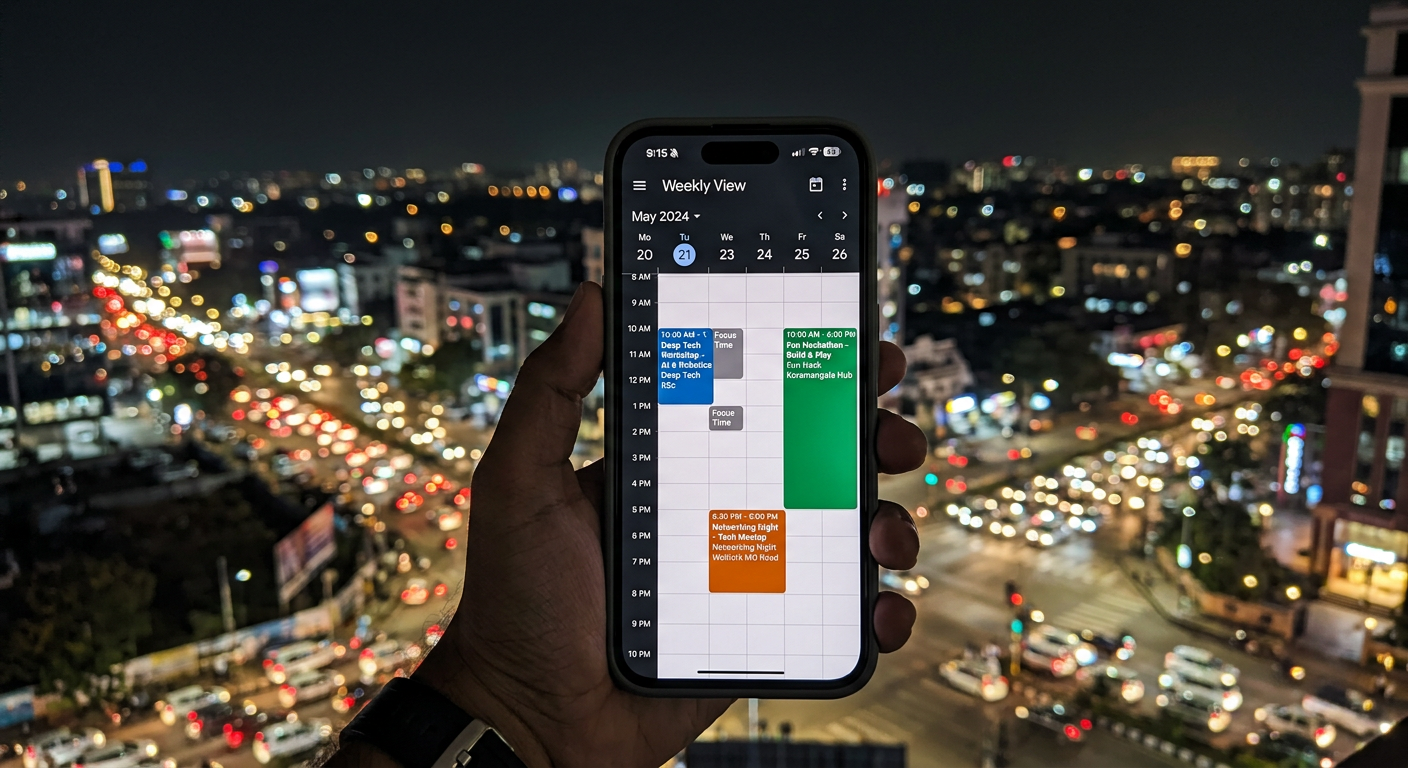
Over 3–6 months, a chaotic calendar yields superficial contacts; a structured one yields a recognizable face and repeat interactions. Adopt a simple 1–1–1 rhythm: one deep-tech event, one networking night, and one fun or low-stakes social event each week. A deep-tech session—like an AI developers group meetup or a practitioner demo at AI Tinkerers—builds your vocabulary and credibility with engineers. A networking night, often a founder mixer at a WeWork or BHIVE, expands your weak ties to potential cofounders and early hires. A casual event, such as an open hack afternoon or community game night, is where friendships and cofounder relationships often begin. This rhythm delivers 12–24 sessions of each type in half a year, creating compounding exposure across overlapping circles.
How to Use Luma for Curated, Recurring AI Circles
Luma is the platform of choice for many practitioner-only and curated tech communities in Bengaluru, including AI Tinkerers chapters and specialized reading groups. Hosts use it for recurring series with RSVP caps, and events often spread through WhatsApp and Telegram before appearing on Luma as the official waitlist. Filter by city and tags like ‘AI,’ ‘founders,’ and ‘hackathon.’ Prioritize recurring series—look for events labeled ‘Week #n: AI Builders Night’ over flashy one-off summits. When you RSVP, join the host’s mailing list or Telegram group. These channels frequently carry early notices for investor office hours, invite-only pitch days, and small build sessions that never hit public platforms.
How to Exploit Eventbrite for Hackathons and Pitch Days
Eventbrite consistently surfaces AI meetups, hackathons, and startup events in Bangalore, many hosted at coworking spaces and innovation hubs. Use location set to Bangalore and keywords like ‘AI meetup,’ ‘startup networking,’ ‘demo day,’ ‘pitch day,’ and ‘VC office hours.’ Sort by date and scan weekday evenings for meetups and weekends for full-day hackathons. Pay attention to speaker bios listing roles like ‘angel investor,’ ‘fund manager,’ or ‘accelerator director’—these signal investor-adjacent nights. Look for phrases in event descriptions such as ‘office hours,’ ‘1:1 with investors,’ or ‘founder feedback session.’ These are often attached to startup programs and provide structured, low-pressure opportunities to pressure-test your narrative.
Meetup: The Engine for Small, Recurring Community Connections
Meetup hosts multiple established AI communities in Bangalore, from the broad AI Bangalore Community to specialized groups like the Bangalore Generative AI Meetup and the AI Developers Group. Follow 5–10 groups and turn on notifications to see events early. Favor events under approximately 80 RSVPs if your goal is real conversation; massive 300-person gatherings are good for talks but poor for meaningful connection. Before attending, post a brief introduction in the event’s discussion section—something like ‘first-time founder, building in X space, keen to meet ML engineers.’ This small act makes in-person conversations smoother and signals you’re a participant, not a spectator. The same faces appear at these recurring meetups month after month, and after the third or fourth time, you become part of the in-group.
The Small-Room Advantage: Why Recurring Meetups Beat Big Summits
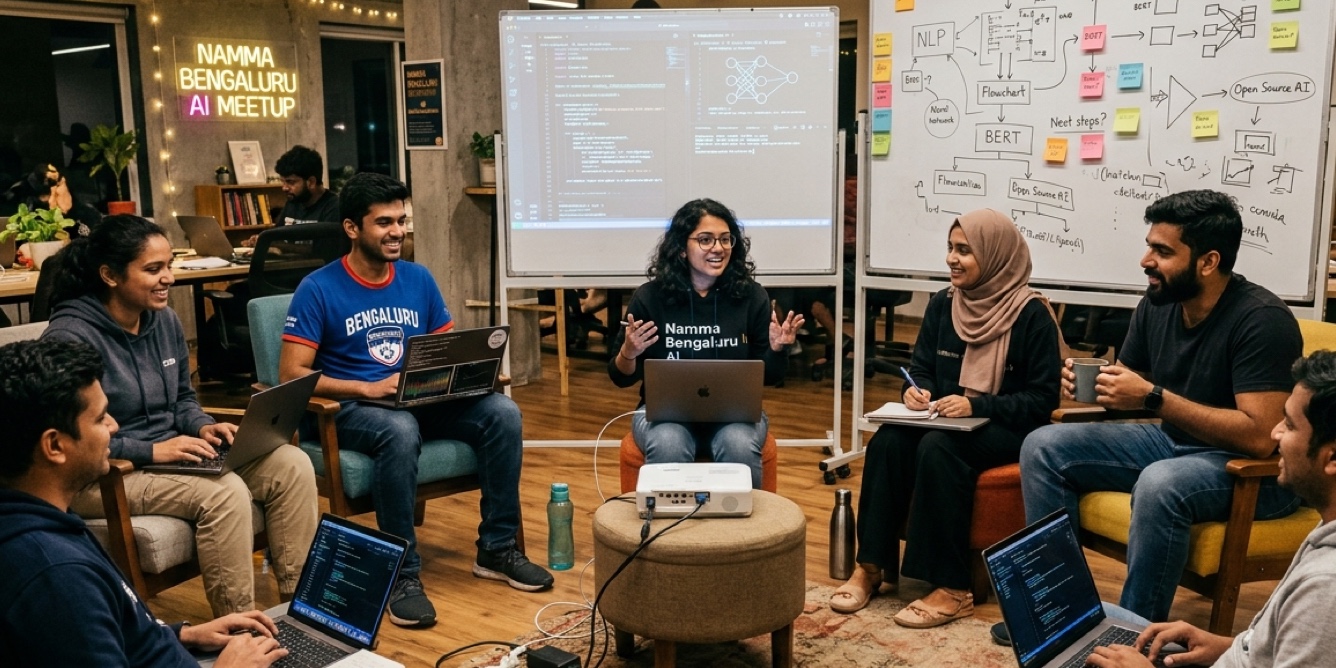
In Bengaluru, your network will be built in 30-person rooms, not 3,000-person halls. Communities like AI Tinkerers and the regular Meetup groups emphasize practitioner-focused, recurring sessions where the same people show up repeatedly. This repeated exposure leads to invitations to private groups, early-stage projects, and cofounder conversations. In a small room, you can have a 1:1 chat with a speaker who knows five investors, or with an organizer who can introduce you to your next hire. Big summits, by contrast, are expensive, transient, and full of generic talks. Attendees rarely see each other again, making meaningful follow-up nearly impossible. Choose the monthly meetup over the annual conference every time.
Key Venues: Where the Ecosystem Physically Gathers
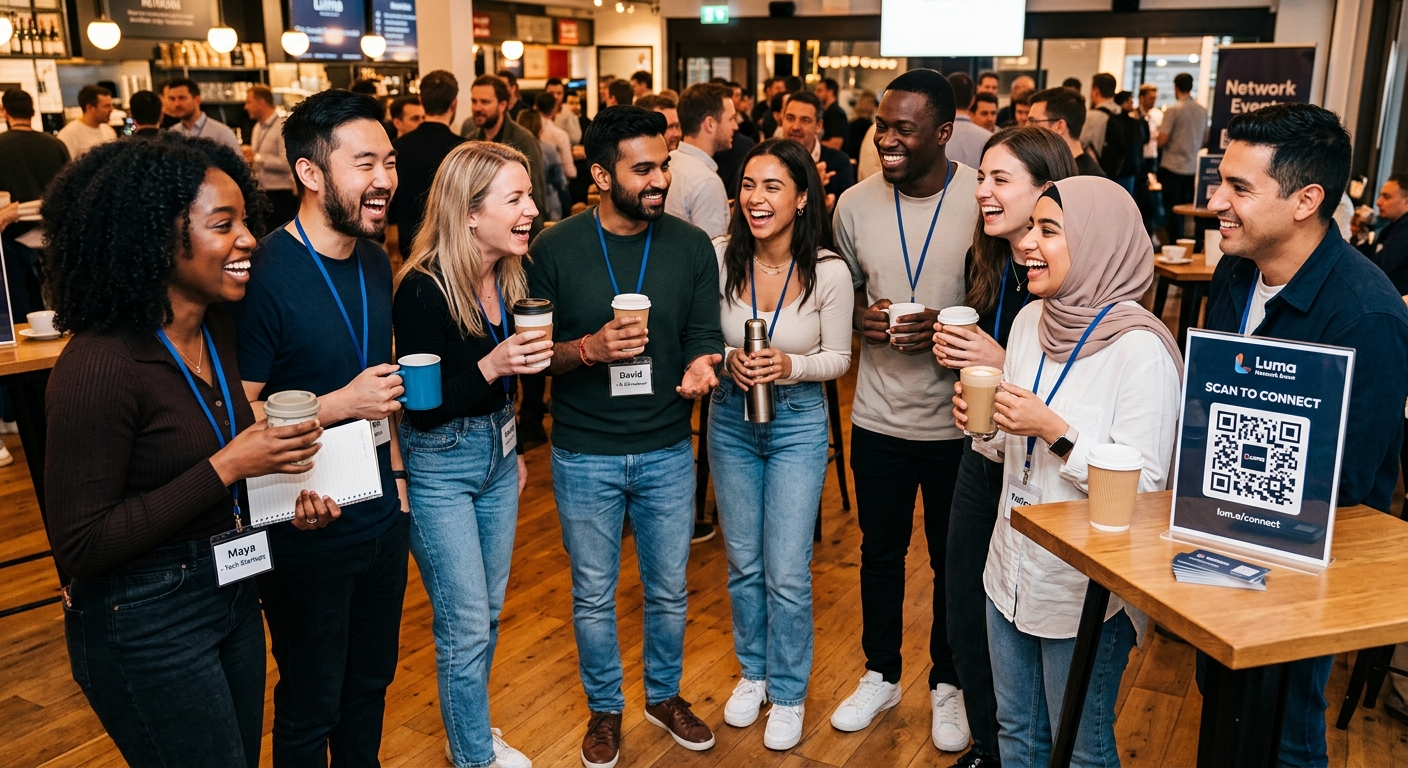
When you see event locations repeating on your platforms, treat them as signals of ecosystem integration. WeWork spaces across the city host startup panels, corporate-sponsored AI events, and weekend hackathons. BHIVE is a prominent startup hub that regularly runs founder networking nights, mentor meetups, and workshops. Draper Startup House positions itself as a founder-centric space, hosting intimate pitch nights, informal demo sessions, and drawing a global crowd of digital nomads. These venues also run their own event newsletters; subscribing can surface investor open houses and invite-only demo days that never appear on public aggregators. Arrive early to these spaces—the first 15 minutes before a talk starts are prime networking time, and the coffee counter is where the best informal conversations happen.
Spotting and Playing Investor Office Hours and Pitch Days
Formal ‘investor meetup’ tags are rare, so you need to learn pattern recognition. Scan titles and descriptions across Luma, Eventbrite, and Meetup for keywords like ‘office hours,’ ‘VC,’ ‘angel network,’ ‘pitch day,’ ‘demo day,’ ‘mentor hours,’ and ‘startup accelerator.’ Structural clues include limited capacity with application forms that ask for a pitch deck, or language like ‘startups will be shortlisted to pitch.’ Aim for one investor-adjacent event per month, not every week. Use these sessions to pressure-test your idea narrative, ask what milestones investors expect at your stage, and secure warm introductions to programs rather than capital immediately. Attend office hours with the same fund over time to show progress—investors track founders who show up consistently, not just those who pitch once.
Your Six-Month Challenge: From Outsider to Insider
Commit to a concrete 6-month challenge: 24 deep-tech events, 24 networking nights, and 24 fun or social events. Track your outputs in a simple log—prototypes shipped, people met, follow-ups sent, and invitations received to private groups. Use hackathons and build nights to ship one micro-project per month that you can demo at subsequent AI meetups. This tangible output transforms you from someone who talks about startups into someone who builds. Avoid the common mistakes: conference tourism, event hoarding, networking without building, and chasing novelty over recurring relationships. After six months of disciplined, repeated presence in small rooms across WeWork, BHIVE, and Draper Startup House, you won’t just know the ecosystem—you’ll be a recognized, trusted node within it.
Sources
- Ai events near Bangalore, IN – Meetup
- Discover Ai Meetup Events & Activities in Bangalore, India | Eventbrite
- Artificial Intelligence (AI) meetups in Bangalore 2026 / 2027
- AI Events in Bengaluru | AI Tinkerers Meetups 2026
- AI Bangalore Community - Meetup
- Bangalore AI, Machine Learning and Computer Vision Meetup
- Bangalore Generative AI Meetup
- Artificial Intelligence (AI) meetups in Bengaluru 2025 / 2026
- AI Learning Events - AICamp
- AI Performance Engineering Meetup (Bangalore)
- Bangalore AI Developers Group - Meetup
- Discover Ai Meetup Events & Activities in Bangalore, India - Eventbrite
- April 8 - Getting Started with FiftyOne, Wed, Apr 8, 2026, 10:30 PM
- Bangalore Meetup: AI folks : r/ycombinator - Reddit