Mumbai Ganesh Chaturthi 2026 Guide: Pandals, Visarjan & Eco-Tips
Plan your Ganesh Chaturthi 2026 in Mumbai from 14-25 Sept with pandal highlights, visarjan at Girgaum, Juhu & Powai, eco-friendly tips, traffic & crowd advice.

Anant Chaturdashi on Mumbai’s Shores
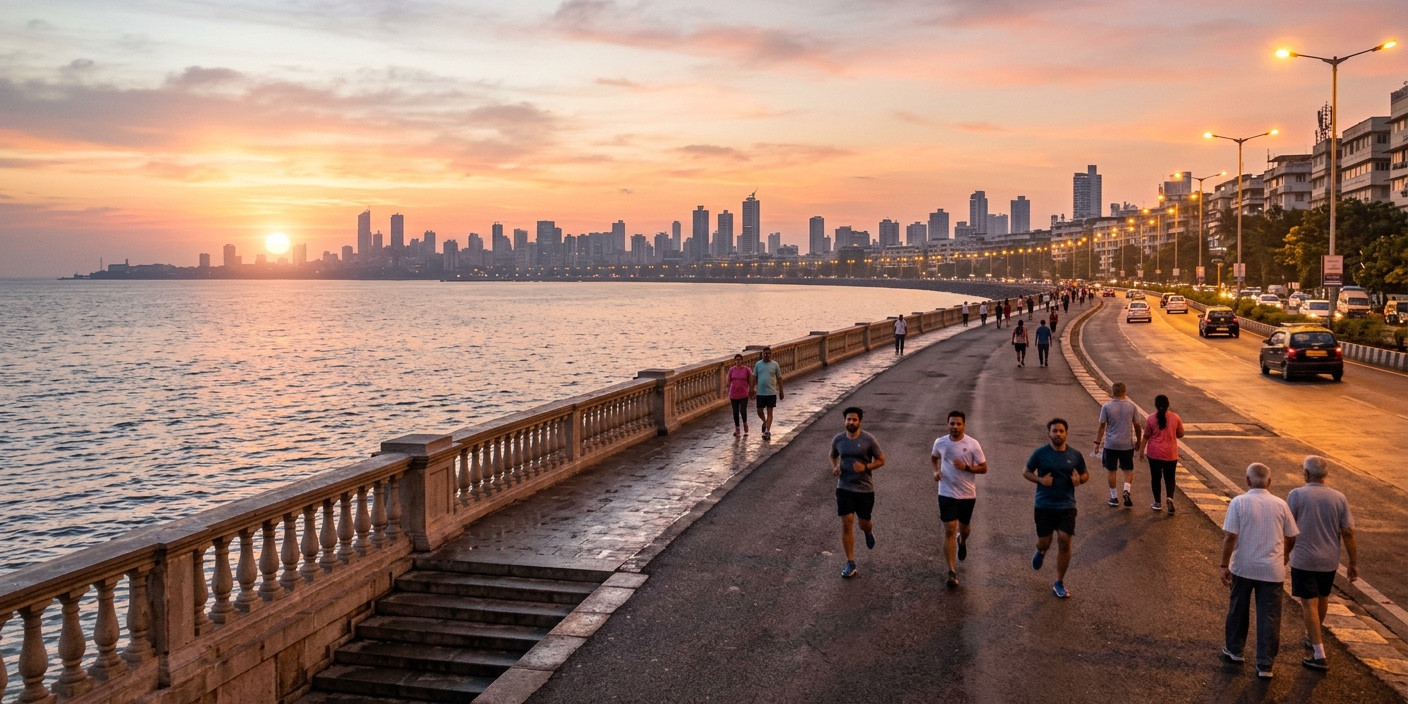
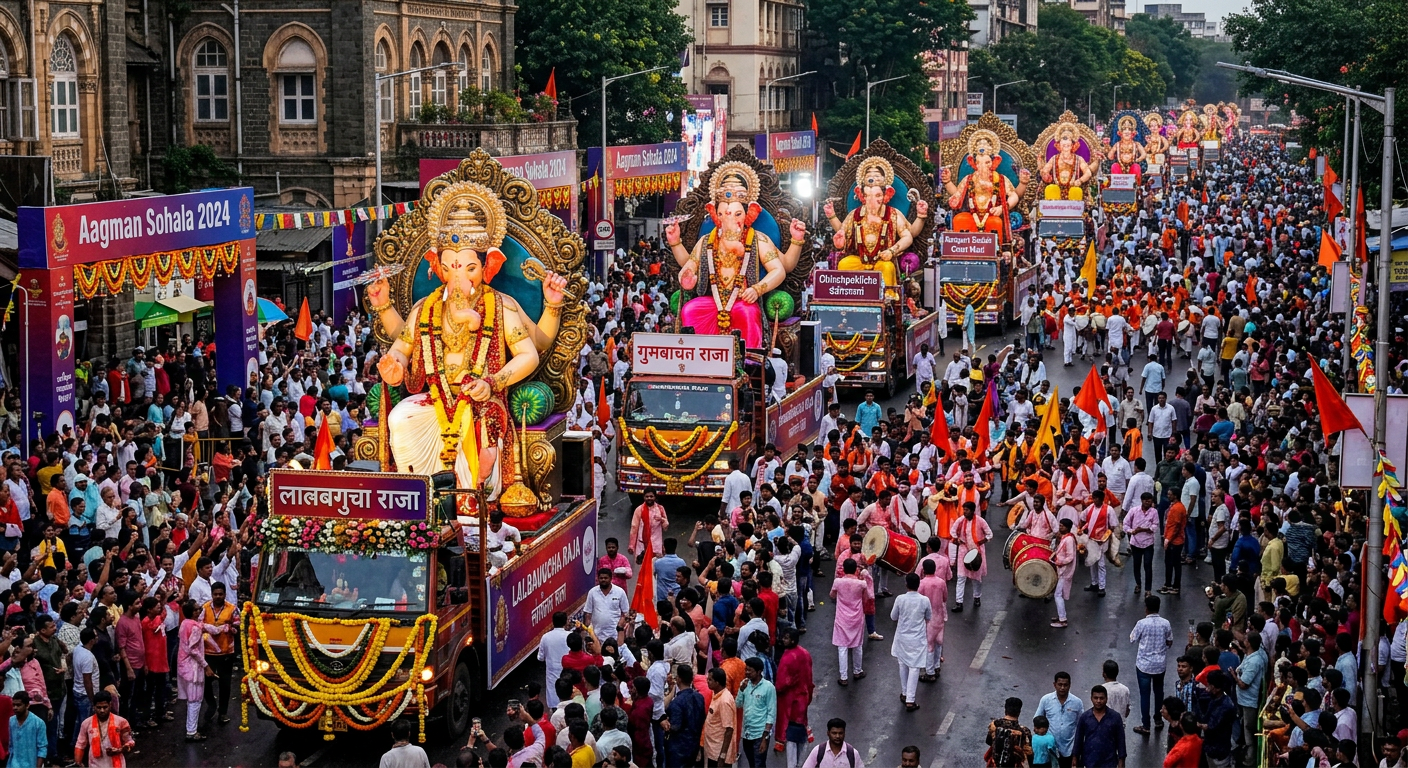
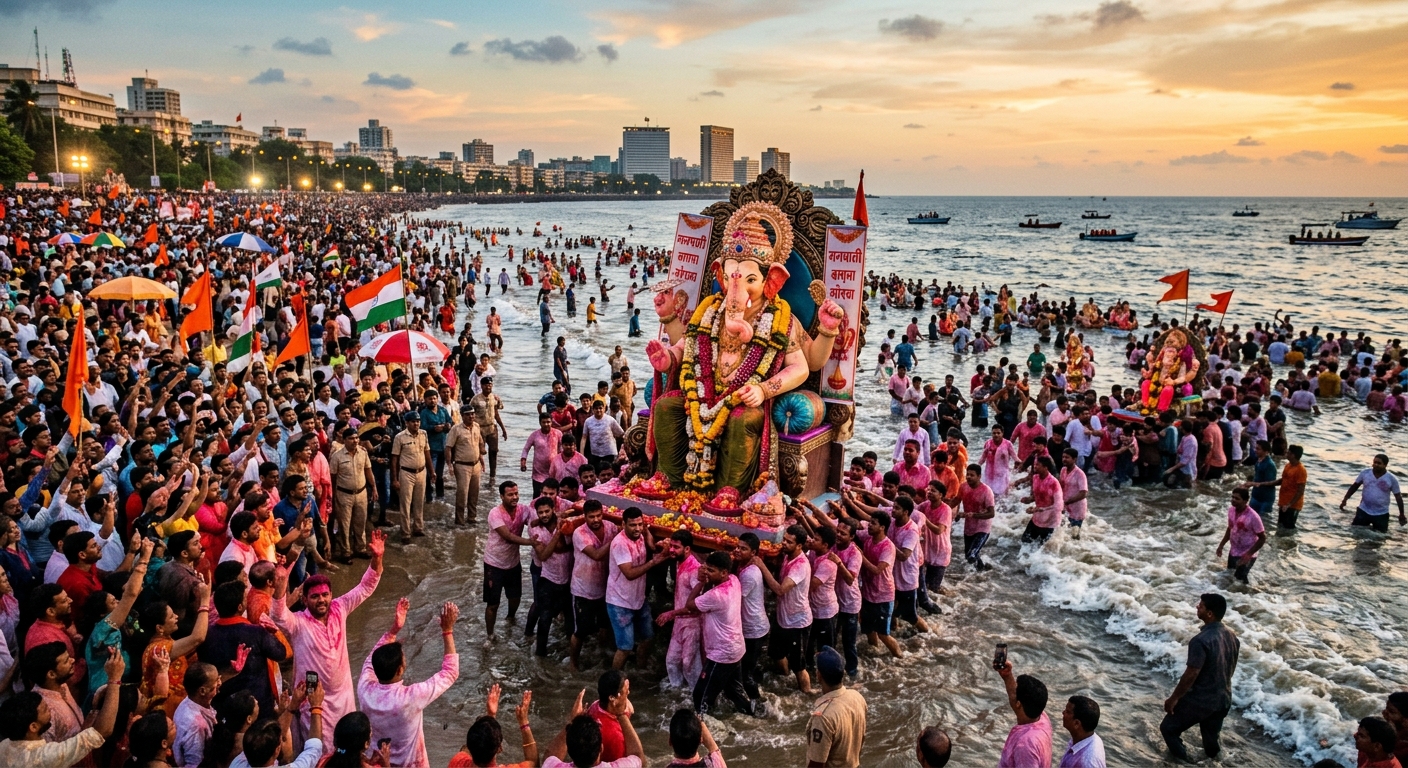
As the sun sets over the Arabian Sea on 25 September 2026, Mumbai transforms into a sea of devotion, colour and thunderous drumbeats. The final day of Ganesh Chaturthi – Anant Chaturdashi – sees millions of Mumbaikars throng the city’s iconic immersion points to bid farewell to Lord Ganesha. From the packed sands of Girgaum Chowpatty to the suburban fervour of Juhu and the lakefront spectacle at Powai, the city’s biggest cultural moment demands careful planning. With the 2026 festival running from 14 to 25 September, overlapping with the late monsoon, this guide helps you navigate pandal trails, immersion logistics, eco-friendly choices and the inevitable crowds, traffic and humidity.
Ganesh Chaturthi 2026: Key Dates and Rituals
Ganesh Chaturthi begins on Monday, 14 September 2026, with the sthapana (installation) of idols and the Madhyahna puja muhurat in Mumbai between approximately 11:20 and 13:48 IST. The festival spans 11 days, with households and public mandals keeping idols for 1.5, 5, 7 or 11 days. The grand finale, Anant Chaturdashi, falls on Friday, 25 September, when the largest processions take place and the bulk of immersions occur. While smaller household idols are immersed from day 1.5 onward at artificial tanks and local ponds, the major community idols converge on the city’s beaches and lakes only on the final day. This staggered rhythm means the city is in festival mode for nearly two weeks, with pandal visits peaking during evenings and weekends.
Pandal Trails: From Lalbaug to Juhu
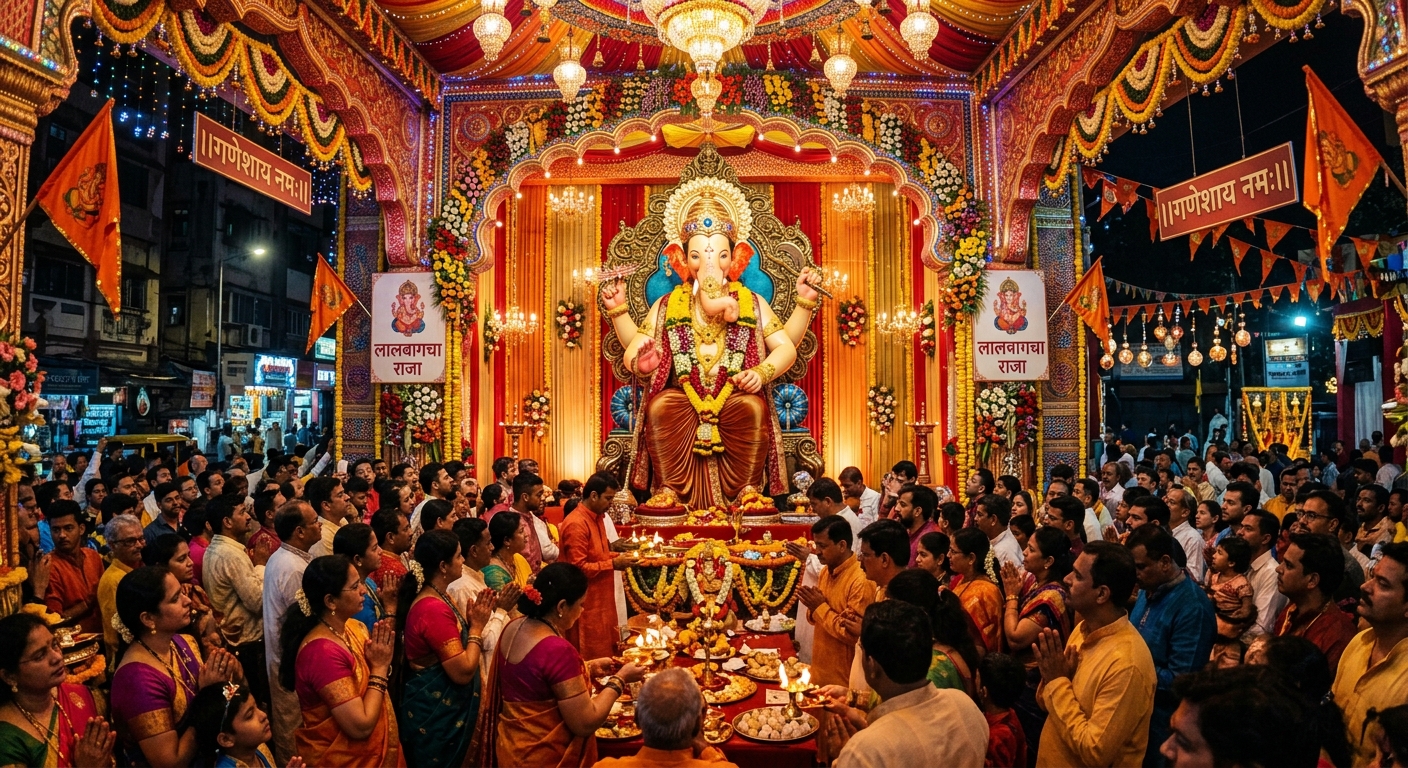
Mumbai’s pandal circuit is legendary. The South and Central Mumbai trail includes the iconic Lalbaugcha Raja, Ganesh Galli in Chinchpokli, and the richly adorned GSB Seva Mandal at King’s Circle. Queues here can stretch for hours, especially on weekends. In the Western suburbs, Andhericha Raja, Bandra and Juhu mandals draw huge neighbourhood crowds. For a slightly less frenetic experience, the Eastern and Harbour suburbs – Ghatkopar, Chembur, Vikhroli – offer equally vibrant but more localised celebrations. To beat the crush, visit early morning or late at night, favour weekdays, and check event listings for cultural programmes like music and dance that often accompany the darshan. Many big pandals also offer VIP or paid queue options, which can save time if you are short on it.
Girgaum Chowpatty: The Heart of Visarjan
Girgaum Chowpatty is the most iconic immersion point in Mumbai, receiving a huge share of South Mumbai’s major mandals on Anant Chaturdashi. Processions arrive via Sardar Vallabhbhai Patel Road and adjacent arteries, and traffic police typically prohibit vehicular movement on SVP Road between Gol Deool and Prarthana Samaj Junction during peak hours. Parking bans are enforced on Nathalal Parekh Marg, Captain Prakash Pethe Marg and Rambhau Salgaonkar Road. For visitors, private cars are best avoided entirely; use local trains to Charni Road or Grant Road and walk, or take the Chhatrapati Sambhaji Maharaj Coastal Road to bypass congestion if you must drive. The best viewing is from late afternoon until midnight along Marine Drive and the Chowpatty sands, but stay hydrated, follow police instructions and keep a safe distance from the water.
Juhu Beach and Powai Lake: Suburban Immersion Hubs
Juhu beach is the primary immersion destination for the Western suburbs, with feeder roads like Juhu Tara Road and links from the Western Express Highway becoming gridlocked on the final day. The easiest approach is by Western Railway – alight at Andheri, Santacruz or Vile Parle and take a short auto-rickshaw ride. Families should avoid the densest evening crowds and stick to areas near lifeguard posts. Powai Lake, serving the north-eastern suburbs, offers a spectacular lakefront immersion that is slightly less overwhelming than the beaches. Roads around Hiranandani Gardens and IIT Bombay see heavy procession traffic, so using Central Railway stations like Kanjurmarg or Vikhroli and then feeder transport is the smartest move. At both locations, police bandobast is extensive, with heavy vehicle bans and diversions in place, so check the latest traffic advisories before you leave.
Embracing the Eco-Friendly Ganesh
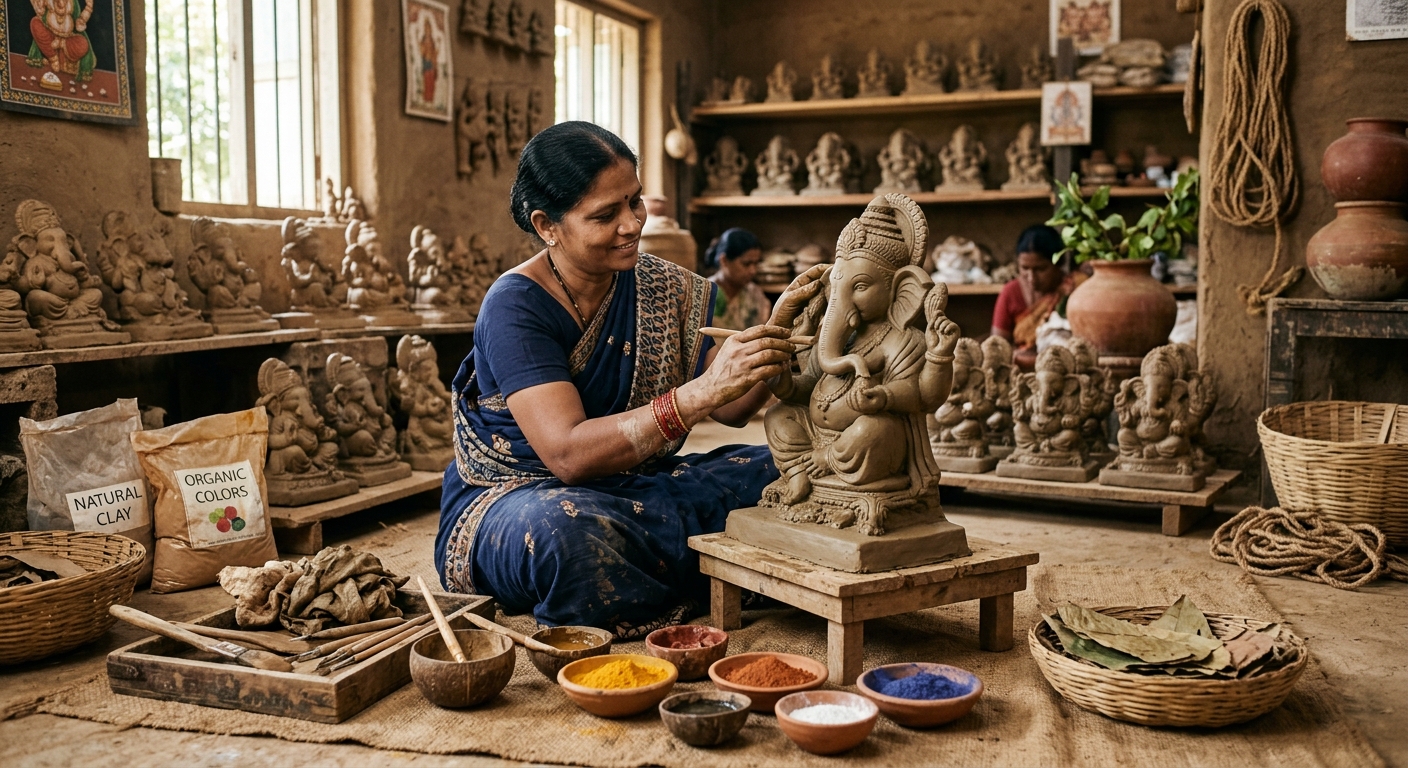
Mumbai has steadily shifted towards greener celebrations. The most impactful choice is opting for a shaadu mitti (natural clay) idol instead of plaster of Paris, which dissolves easily and leaves no toxic residue. Pair it with natural, water-soluble colours and decorations made of paper, cloth or flowers rather than plastic and thermocol. The city’s civic bodies set up numerous artificial immersion tanks at Girgaum, Juhu and Powai specifically for smaller household idols, keeping chemicals out of the sea and lakes. After immersion, separate the nirmalya (flowers and garlands) for composting. Avoid firecrackers and single-use plastic entirely. By making these small shifts, you honour both tradition and Mumbai’s fragile marine and lake ecosystems.
Navigating Crowds, Trains, and Traffic
Ganeshotsav turns Mumbai’s transport network into a high-pressure system. On immersion days, local trains on Western, Central and Harbour lines see a surge of passengers heading south to Chowpatty or west to Juhu. Southbound trains to Churchgate and CSMT are especially packed on Anant Chaturdashi evening. Avoid the 18:00–22:00 peak if travelling with children or elders, use women-only coaches where appropriate, and stand away from doors. Traffic diversions are extensive: SVP Road, Colaba roads, Hemu Kalani Marg and R.C. Marg in Chembur are frequently closed or made one-way. Heavy vehicles are banned on sensitive stretches. Police deployment is massive – in recent years, over 21,000 personnel and 10,000 CCTV cameras have been mobilised. Always check the Mumbai Traffic Police advisory a day or two before you travel, and build in at least an hour of buffer time.
September Weather and Health Tips
September in Mumbai brings daytime highs of 30–33°C, overnight lows around 25–27°C, and relentless humidity with intermittent monsoon showers. Long hours outdoors in dense crowds raise the risk of dehydration, heat exhaustion and slips on wet sand or roads. Carry a water bottle, avoid sugary or caffeinated drinks, and wear light, breathable clothing with sturdy, closed footwear. A rain poncho is more practical than an umbrella in a crowd. Those with dust allergies or respiratory sensitivity should consider a mask, especially near busy roads. If you are with children or elderly family members, stick to earlier, less crowded time slots, stay at the edge of processions, and agree on a clear meeting point in case anyone gets separated.
Your Ganesh Chaturthi Planning Checklist
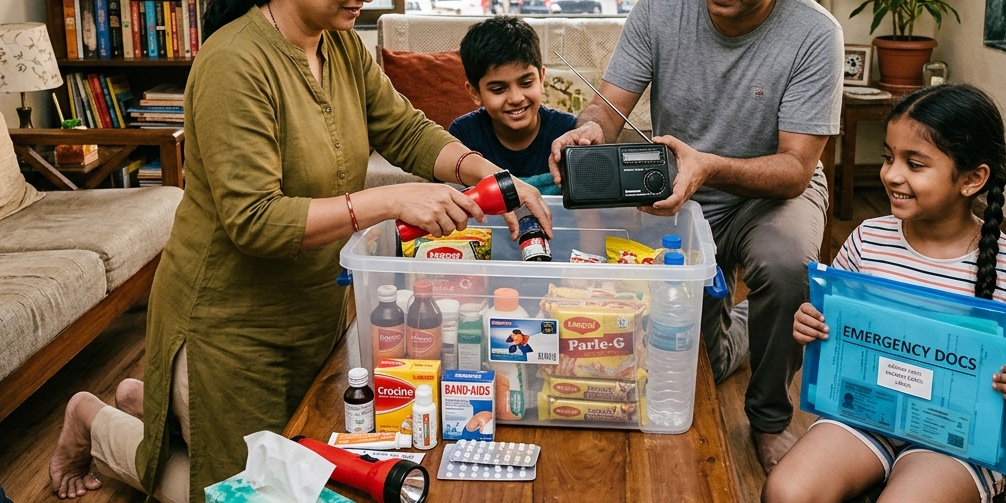
Before 14 September: choose an eco-friendly clay idol and natural decorations; plan your pandal circuit and check cultural event listings; book train passes or digital tickets in advance; identify the nearest artificial immersion tank for small idols. On visarjan day: wear light, quick-dry clothes and sturdy shoes; carry water, a rain poncho, and a basic first-aid kit; leave private vehicles far from immersion points and rely on trains or walking; follow police directions at all times; and finally, immerse only the idol and compostable offerings, keeping the beach or lake clean. With a little preparation, you can soak in the city’s most spectacular festival safely, responsibly and joyfully.
Sources
- Ganesh Chaturthi 2026 Mumbai: Dates, Visarjan & Darshan
- Ganesh Chaturthi 2026 Mumbai Guide
- Ganesh Chaturthi 2026 Mumbai: Date, Puja Muhurat & Visarjan - JyotishGram
- Ganpati in Mumbai: Dates, Registered Pandals, and Visitor ...
- Ganesh Visarjan 2025: Mumbai Police issues detailed ...
- PRESS NOTE
- Mumbai, Maharashtra, India Monthly Weather
- मुंबईवालों घर से संभल कर निकलें, आज गणेश विसर्जन, कई रूट बंद
- Mumbai Traffic Advisory During Ganeshotsav: गणेश उत्सव के लिए मुंबई में यातायात प्रतिबंध लागू, पढ़ें ट्रैफिक का पूरा अरेंजमेंट
- 2026 Ganesh Chaturthi date and puja time for Mumbai ...
- Mumbai gears up for Ganesh Visarjan 2025: Traffic police ...
- डेढ़ लाख गणपति, 10 हजार CCTV, 18 हजार पुलिसवाले, बप्पा की ...
- Mumbai Police Issues Traffic Advisory for Ganesh Visarjan ...
- Mumbai Police issues detailed traffic advisory for Anant Chaturdashi ...
- Lord Ganesha Visarjan 2025 Highlights
Frequently Asked Questions
When is Ganesh Chaturthi 2026 in Mumbai?
It starts on 14 September 2026, with the main visarjan on Anant Chaturdashi, 25 September.
What are the major immersion points in Mumbai?
Girgaum Chowpatty, Juhu beach, and Powai Lake are the primary immersion sites, each drawing huge crowds.
How can I avoid traffic during Ganesh visarjan?
Use local trains, avoid private vehicles near immersion points, and check Mumbai Traffic Police advisories for road closures and diversions.
What is an eco-friendly Ganesh idol?
Eco-friendly idols are made of natural clay (shaadu mitti) and colored with non-toxic, water-soluble dyes, avoiding plaster of Paris and chemical paints.
Is it safe to take children to visarjan processions?
Yes, but stick to earlier time slots, stay at the edge of crowds, and keep a meeting point. Avoid peak evening hours and deep water.