
Gymkhana Dubai Opens in DIFC: A New Era for Indian Fine Dining
Two-Michelin-starred Gymnkhana opens in Dubais DIFC, bringing refined Indian cuisine, club-style interiors, and its iconic biryani & lamb chops to the city's fine-dining scene.

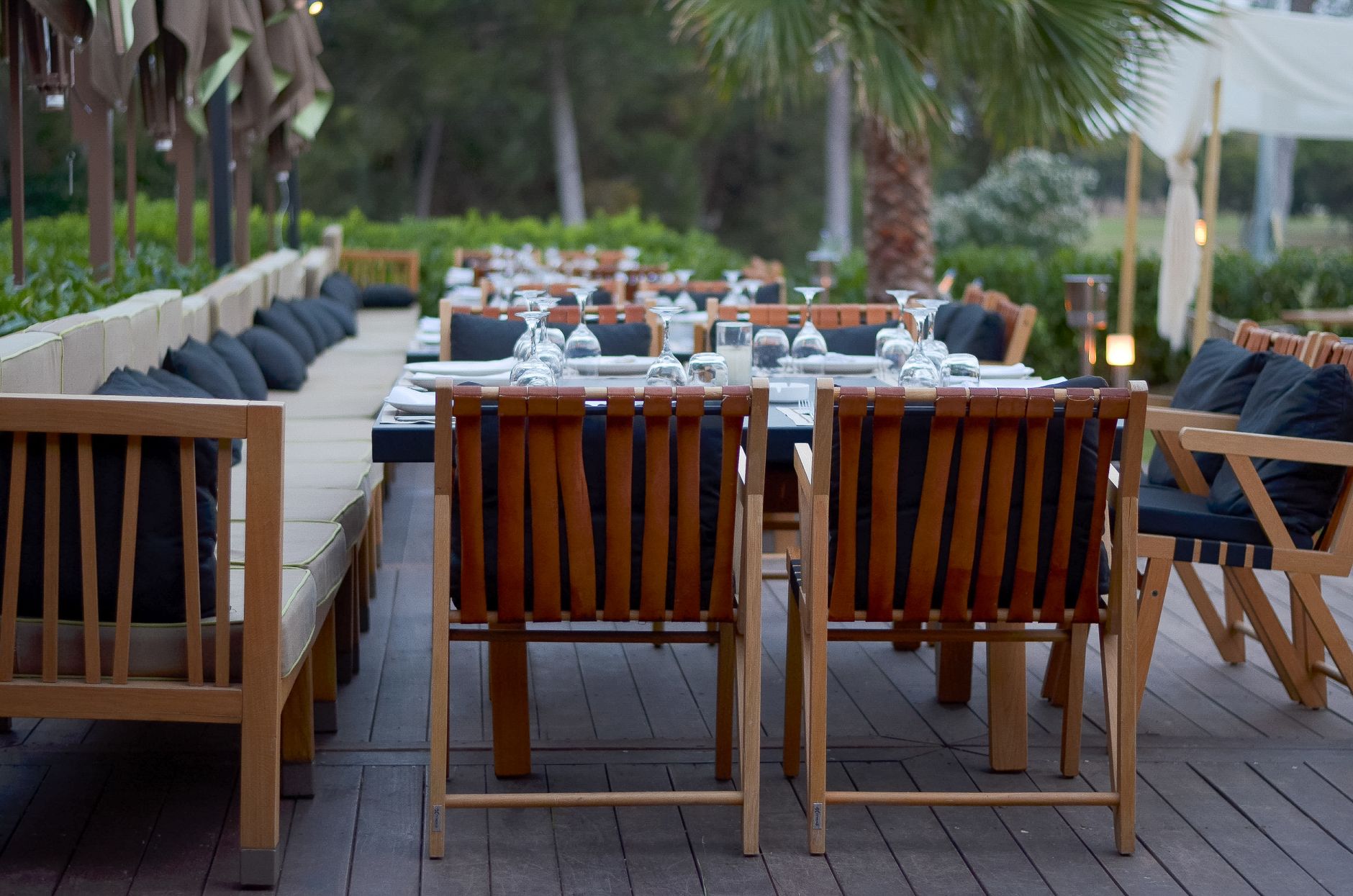
A New Star Rises in Gate Village
On the evening of 1 September 2026, a new chapter in Dubai’s culinary story began as Gymkhana opened the doors of its two-level, 137-seat restaurant in DIFC’s Gate Village, Building 7. It is the first UAE outpost of the two-Michelin-starred London institution, and the crowd that filled its terrace and club-style interiors on opening night reflected the city’s appetite for a brand that has reshaped perceptions of Indian cuisine at the highest level. With dinner service running daily until 1am and lunch scheduled to follow in October, the arrival is already being treated as one of the year’s defining restaurant events.
Gymkhana Dubai opens its doors in Gate Village, DIFC. (Photo by Julia Sakelli on Pexels)
The Mayfair Legacy That Redefined Indian Dining
Gymkhana London, tucked away at 42 Albemarle Street in Mayfair, holds two Michelin stars and a reputation as one of the most influental Indian restaurants in the world. Its name draws on the concept of colonial-era Indian gymkahana clubs—mixed social and sporting members’ clubs—reinvented as a contemporary fine-dining room. Dark woods, leather banquettes and low, warm lighting create an atmosphere of exclusivity and ritual. Since opening, the kitchen has built a canon of dishes that have become reference points in modern Indian gastronomy, a menu so confidant that, as one observer noted, its key signatures ‘have not needed to change since opening.’ Now the brand has choosen DIFC for its first Middle East outpost, signaling both ambition and a belief that Dubai is ready for Indian cuisine at this level.
Signature Plates: Biryani, Keema and the Lamb Chop
Several dishes have become synomymous with the Gymkhana name. The Wild Muntjac Biryani, sealed in a pastry crust and opened at the table with a puff of steam, is frequently described as the most iconic dish in modern Indian London. The Kid Goat Methi Keema, minced goat spiked with fenugreek and served with soft pao, is a benchmark that regulars use to gauge the kitchen’s form. Tandoori Masala Lamb Chops, charred and served with walnut chutney, are the ‘gateway signature’ that appeals both to first-time guests and devotees. Other signatures—Duck Egg Bhurji with Lobster, Pork Cheek Vindalo —reinforce a culinary identity that is rooted in regional tradition, techncially ambitious, and unapologetically rich. These plates are expected to anchor the Dubai menu, with possible regional adaptations using Gulf seafood or tailored spice profiles.

The iconic Wild Muntjac Biryani is finished tableside. (Photo by Greeshma Gangadharan on Unsplash)
Inside the DIFC Outpost: Two Levels of Club-Style Intimacy
Spread across two internal levels and a landscaped terrace, Gymkhana Dubai has been designed to echo the London original while speaking to its new context. The club-style interiors are intimate and layered, with multiple dining zones that likely include a more formal main room and an upstairs lounge or bar. Seating up to 137 guests, the restaurant balances a sense of privacy with the energy of DIFC’s evening crowd. The terrace, meanwhile, exploits Dubai’s outdoor dining culture, functioning as a pre-dinner drinks spot or an al fresco extension of the dining room when the weather allows. The staggered service rollout—dinner only at first, lunch from October—suggests a deliberate, operationally serious approach, ensuring the team can perfect evening service before tackling the district’s corporate-lunch demand.
DIFC: From Business Hub to Dining Power District
Gymkhana does not arrive in a vacuum. DIFC has been transforming itself into what it calls ‘the city’s key vibrant cultural and lifestyle hub’, a claim increasingly backed by the tenant list. The opening follows other high-profile arrivals such as Barrafina, a modern Spanish restaurant in Gate Village 01 that serves lunch and dinner daily, and Gloria Osteria, an Italian dining room at The Ritz-Carlton DIFC open from noon until 2am. Within a few minutes’ walk, one now finds Spanish, Italian and Indian fine-dining flagships sitting alongside art galleries and financial offices. This multi-cuisine clustering turns Gate Village into a one-stop food district, intensifying competition for reservations but also raising DIFC’s collective draw for discerning diners.

DIFC’s Gate Village has become a magnet for international fine-dining brands. (Photo by Paul Abraham on Unsplash)
What Gymkhana Means for Dubai’s Fine-Dining Landscape
The arrival of a two-Michelin-star Indian brand changes the equation in several ways. It raises the bar for Indian cuisine, a category that has historically been under-represented at the ultra-premium level compared with European and Japanese concepts. It adds another globally ranked anchor to a city that already imports heavyweights from London, Paris and New York. And it intensifies DIFC’s competitive pressures, pushing existing restaurants to sharpen their offerings. At the same time, the opening invites questions: Does Dubai rely too heavily on imported brands rather than homegrown talent? Can a premium-priced, clubby Indian concept sustain itself in a market that already has a rich mid-market Indian dining culture? And is DIFC riskng saturation or building the critical mass needed to cement Dubai’s global foodie reputation? Gymkhana’s performance over the next year will offer the most vivid answers.
A Evening at Gymkhana, and What Comes Next
Watching a pastry-sealed biryani cracked open at the table, releasing its fragrant steam, is more than a menu highlight—it is a metaphor for a fine-dining scene that keeps opening up to new influences. As Gymkhana settles into Gate Village, the restaurant will inevitably be measured against its London parent, and the comparisons will feed a larger conversation about how far Dubai has come as a culinary destination. Cityscope will continue to track the district’s evolution, from Gymkhana’s first lunch service to future openings that will test whether DIFC can keep its title as the city’s most concentrated enclave of serious restaurants.
Sources
Frequently Asked Questions
When did Gymkhana Dubai open?
Gymkhana Dubai opened on 1 September 2026 in DIFC’s Gate Village, Building 7.
How many Michelin stars does Gymkhana London have?
Gymkhana London holds two Michelin stars and is widely considred one of the world’s leading Indian restaurants.
What are Gymkhana’s most famous dishes?
Signature dishes include the Wild Muntjac Biryani, Kid Goat Methi Keema, Tandoori Masala Lamb Chops, and Duck Egg Bhurji with Lobster, all rooted in regional Indian traditions and refined for fine dining.
Where is Gymkhana located in Dubai?
It is located in DIFC, Gate Village, Building 7, within the Dubai International Financial Centre’s dining and gallery cluster.
Is Gymkhana Dubai part of a larger dining trend in DIFC?
Yes, it joins a wave of high-profile openings in DIFC, including Spanish restaurant Barrafina and Italian restaurant Gloria Osteria, strengthening the district’s reputation as Dubai’s fine-dining epicentre.