
Boredom at the Chokepoint: Siliguri’s Dual Identity as a Sleepy Stopover and India’s Most Vital Gateway
Explore the debate on whether Siliguri is a quiet, boring transit town or a vital, strategic gateway. We examine life in India's 'chicken's neck' corridor.


A Tale of Two Cities in One
On a typical evening, a young Siliguri resident might scroll through local Reddit threads, encountering a familiar refrain: the city is quiet, the nights are uneventful, and the most exciting prospect is often a trip to the hills. This self-deprecating humor, a staple of local online identity, paints a picture of a sleepy transit town. Yet, a world away in the corridors of power, defence analysts and policymakers describe this same unassuming city as a critical chokepoint. The Siliguri Corridor, famously nicknamed India’s 'chicken’s neck,' is a narrow strip of land that serves as the sole terrestrial link between mainland India and its entire northeastern region. This is the central duality of Siliguri: a place where everyday boredom coexists with an almost unimaginable national significance.
The City That Calls Itself Boring
The perception of Siliguri as a 'boring' city is not an external critique but a well-worn internal joke. Online forums are filled with discussions about the city's modest pace of life, its limited big-city nightlife, and a general feeling that it's a practical waypoint rather than a destination. Residents often describe a routine existence centered on affordability and practicality, but lacking the scale and diversity of cultural venues, high-paying white-collar jobs, and cosmopolitan buzz found in major metros. The tone is frequently ironic and resigned; the most exciting thing about Siliguri, the joke goes, is leaving it for Darjeeling, Sikkim, or the wider Northeast. This shared sentiment creates a unique local identity, one built on a foundation of modest expectations and wry humor about the city's subdued character.
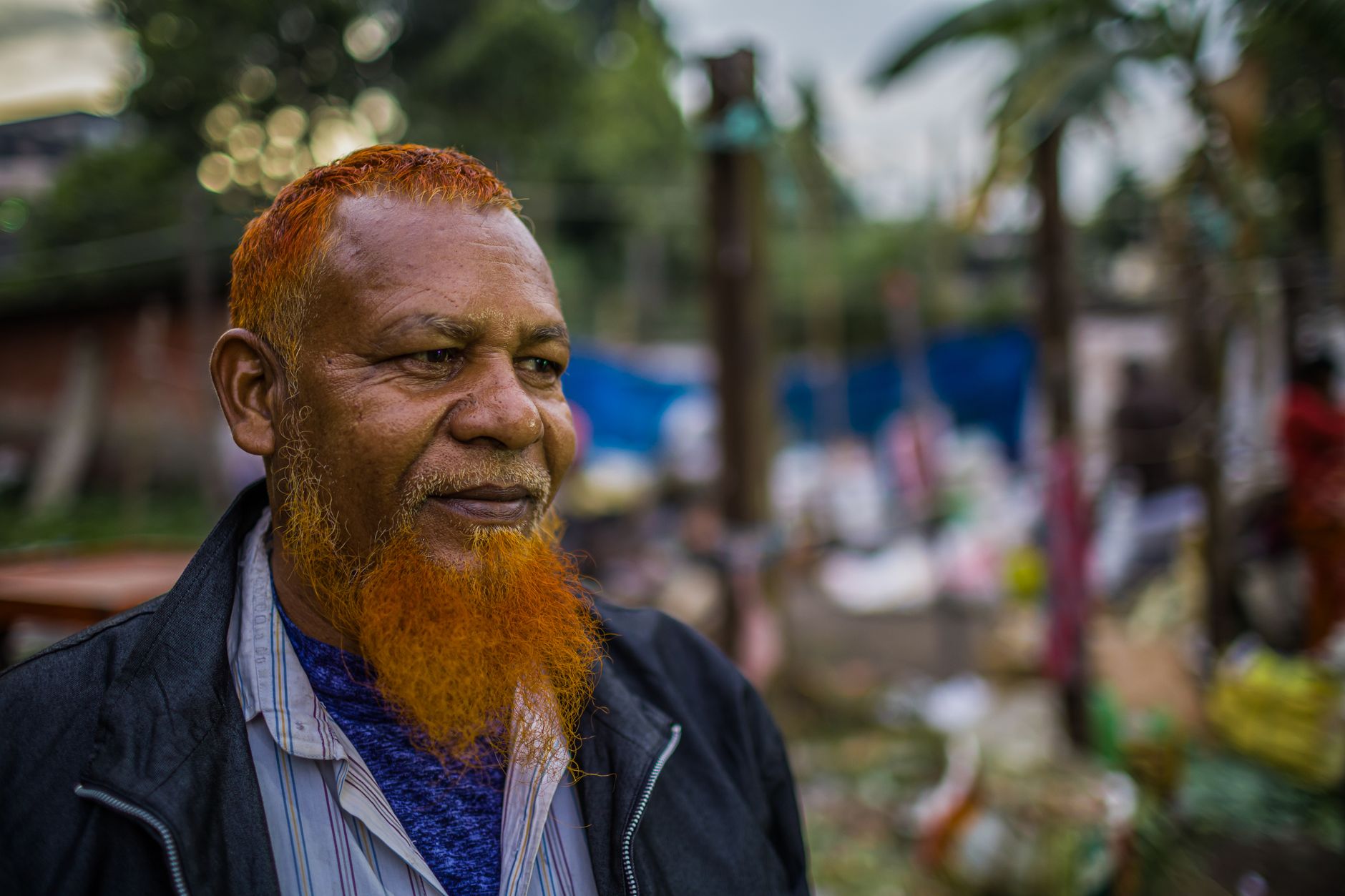
The everyday bustle of Siliguri's streets belies its immense strategic importance. (Photo by Debayan Bakshi on Pexels)
Mapping the Corridor: What the Outside World Sees
From a national strategic perspective, Siliguri is anything but boring. The Siliguri Corridor is a narrow land strip in northern West Bengal, with a width of approximately 20–22 kilometers at its narrowest point. This sliver of land is the only terrestrial connection between mainland India and its eight northeastern states: Arunachal Pradesh, Assam, Meghalaya, Manipur, Mizoram, Nagaland, Tripura, and Sikkim. This region covers around 262,230 square kilometers, roughly 8% of India's landmass, and is home to over 40 million citizens. The corridor is wedged between Nepal to the west, Bhutan to the north, and Bangladesh to the south, with the Chumbi Valley in Tibet (China) just over 130 kilometers away. This geography transforms an unassuming city into one of the world's most sensitive geopolitical bottlenecks.
A map illustrates the vulnerable geography of the Siliguri Corridor, India's 'chicken's neck'. (Photo by Sumit on Unsplash)
Life at a Strategic Chokepoint
This geopolitical reality bleeds into daily life in ways both visible and subtle. Residents report a palpable military presence, with regular convoys, border force deployments, and a landscape where strategic importance is an undercurrent. The corridor funnels not just military hardware but nearly all critical infrastructure: petroleum pipelines, fibre optic cables, railway lines, and major commercial supply chains. A disruption here could isolate the entire Northeast, severing reinforcements, communications, and trade. For locals, this translates into more traffic, more uniformed personnel, and a sense that their city carries an enormous, if unglamorous, responsibility. The lived experience is a paradox: inhabitants witness the side effects of being a chokepoint—militarisation and heavy transit—without seeing an equivalent investment in the cosmopolitan amenities that define other strategically important cities.
More Than a Stopover: Cafes, Startups, and Small Ambitions
Beneath the surface of the 'boring city' narrative, a quiet transformation is underway. A new generation of digitally connected residents is pushing back against the label by creating the very spaces they feel the city lacks. An emerging cafe culture, small-scale startups, and boutique nightlife spots are beginning to dot the city, attempting to create 'third places' beyond home and work. Tourism blogs are also starting to frame Siliguri as more than just a gateway to Darjeeling, highlighting local nightlife and evening entertainment as signs of a city developing its own identity. These ventures represent a form of urban aspiration, a small but significant effort to transition Siliguri from a purely functional transit hub into a place with its own personality and rhythm.

A new wave of cafes and startups is slowly reshaping Siliguri's social and economic landscape. (Photo by Surajit Sarkar on Unsplash)
The Online Identity Debate: Boredom vs. Lifeline
The internet has become the primary arena for Siliguri's identity debate. On one side, social media threads capture the self-deprecating boredom, with residents comparing their city unfavorably to metros and joking about the quiet evenings. On the other side, strategic analyses, think tank reports, and defence commentaries describe the corridor as India’s 'strategic lifeline' and a 'growing concern,' focusing entirely on its vulnerability to disruption. These two narratives rarely intersect, talking past each other. A Reddit complaint about a lack of entertainment sits in stark contrast to an analyst's warning that a blockade here would be a national catastrophe. This disconnect is the very essence of Siliguri's identity crisis: a city whose residents measure it by its social scene, while the nation measures it by its geopolitical indispensability.
A Generational and Perceptual Divide
The debate also reveals a generational divide. Younger residents, more exposed to global urban culture through the internet, are often the most vocal critics of the city's limited opportunities. Yet, they are also the ones spearheading the new cafes, creative communities, and small businesses that challenge the 'boring' label. Older residents may express a quieter pride in the city's strategic role, its relative safety, and its affordability compared to chaotic metropolises. Furthermore, a disconnect exists between 'center' and 'periphery' narratives. National security writing treats the corridor as a problem to be managed, while local discussions are grounded in everyday governance issues: traffic jams, pollution, infrastructure gaps, and job scarcity. These layered perspectives add depth to the debate, revealing that Siliguri's identity is a contested space between different generations and worldviews.
Futures for Siliguri: Gateway with a Soul
The future of Siliguri hinges on bridging its dual identity. The city has the potential to become a more fully-fledged logistics and services hub, leveraging its non-negotiable strategic position for economic development. Investment in public spaces, cultural venues, and remote work infrastructure could help it retain a young, skilled population that currently sees it as a place to leave. The goal is not to mimic a metro but to forge a distinctive identity as a gateway city with a slower, more deliberate rhythm—a place that is confident in its role without being defined by the corridor's geopolitical anxieties. By investing in its own social fabric, Siliguri can be seen not just as a place you pass through on the way to 'somewhere else,' but as a city in its own right, where life is quietly, strategically, and meaningfully lived.
Sources
Strategic & geopolitical importance of India's Siliguri corridor
Siliguri Corridor: Geostrategic Importance and Future Challenges
The Siliguri Corridor: India's Geostrategic Chokepoint and ...
Siliguri Corridor: India's strategic lifeline and a growing concern
Siliguri Corridor: India's Strategic 'Chicken's Neck' - INSIGHTS IAS
[PDF] The Siliguri Corridor - The Critical Review of Social Sciences Studies
The Siliguri Corridor in a shifting Geopolitical Landscape of South Asia
Why Siliguri Corridor is strategically important for India & ...
Defending the Siliguri Corridor: Securing India's Strategic ...
Siliguri Nightlife Guide: Top Spots for Evening Entertainment
Frequently Asked Questions
Why is the Siliguri Corridor called India's 'chicken's neck'?
It's called the 'chicken's neck' because of its narrow, elongated shape on the map. This strip of land in West Bengal, only about 20-22 km wide, connects the vast mainland of India to its northeastern states, making it a critical and vulnerable geographical chokepoint.
Is Siliguri a boring city to live in?
Local social media often self-deprecatingly calls Siliguri 'boring' due to its quieter pace of life, modest nightlife, and fewer big-city entertainment options compared to metros. However, this is a subjective view, and the city is seeing growth in cafes, startups, and a distinct local culture that offers a different, more affordable lifestyle.
What is the strategic importance of the Siliguri Corridor?
The Siliguri Corridor is strategically vital as it is the sole land link for all road, rail, and pipeline connectivity between mainland India and the eight northeastern states. Its narrow width, surrounded by Nepal, Bhutan, Bangladesh, and near China, makes it a critical and vulnerable lifeline for over 40 million people and India's defence forces.
What is life like for residents in the Siliguri Corridor?
Residents experience a paradox. Daily life is often described as practical and affordable but slow-paced. At the same time, there is a visible military presence, heavy transit traffic, and a subtle awareness of living in a highly strategic area, though this is often disconnected from the city's modest civilian social scene.
Is Siliguri just a stopover for Darjeeling and Sikkim?
Historically, it has been a major transit point. However, Siliguri is increasingly developing its own identity as a logistics and service hub. A growing cafe culture, nightlife, and local entrepreneurial ventures are challenging the 'just a stopover' label, positioning it as a destination with its own character.