Udaipur's Overtourism: Instagram vs Reality & Locals' Fight for Livability
Reddit threads, viral posts, and local forums reveal Udaipur's struggle with overtourism: lake pollution, Gangaur Ghat crowding, rooftop noise, and rising rents. Explore the staged vs authentic debate and sustainable travel tips.

Sunset at Gangaur Ghat: Picture-Perfect, Until You Hear the Locals
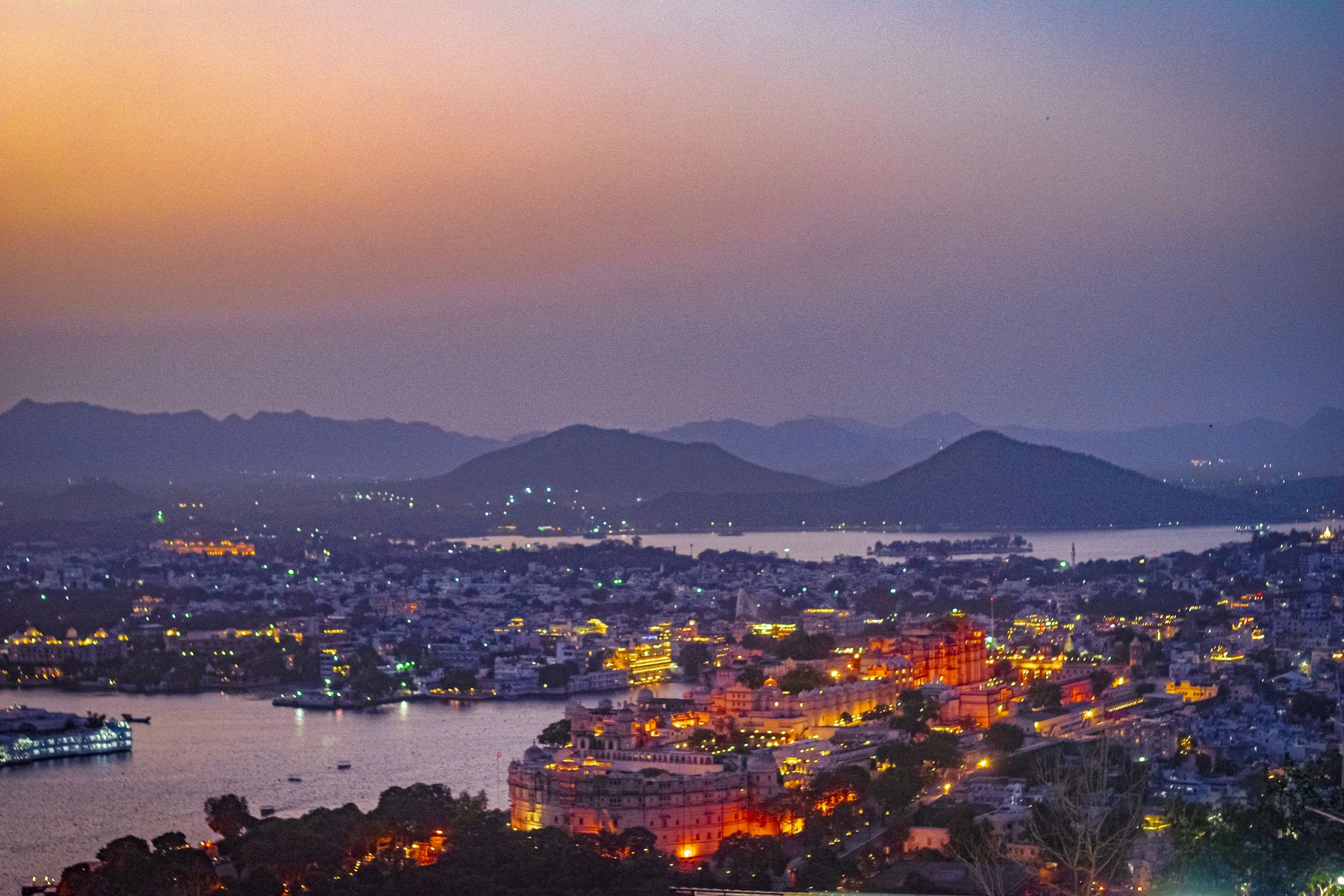
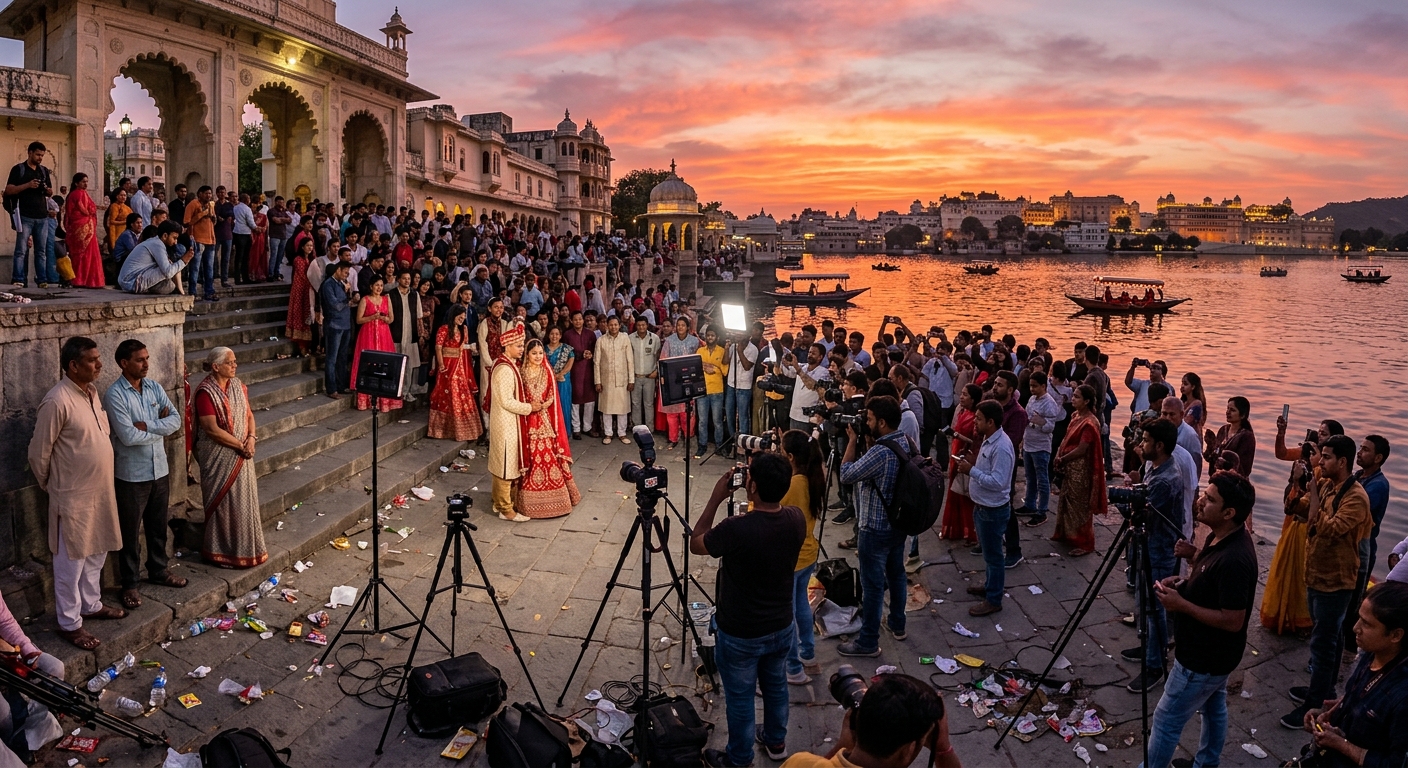
As the sun dips behind Lake Pichola, Gangaur Ghat transforms into a living postcard. Couples pose for pre-wedding cinematographers, travel vloggers frame the perfect Reel, and the air hums with the drone of cameras. But just off the steps, the mood among residents is far from serene. A recent Reddit post from a self-described Udaipur local captured a sentiment now echoing across community forums: “I can’t enjoy my city anymore.” The complaint, which quickly went viral and was picked up by national media, blamed over-tourism for crowding, changing city culture, and a creeping sense that everyday life is being sacrificed for the tourist gaze. That single thread has become a lightning rod for a much deeper tension—one that pits the city’s global Instagram fame against the livability of its own neighborhoods.
The Social Media Engine: How Udaipur Became a Viral Sensation
Udaipur’s rise as a must-visit destination is no accident. Tourism authorities have launched systematic online marketing campaigns to showcase the “beauty of Lake City” across social media platforms, while local tour operators are coached to post four to five Instagram Reels per week with trending audio and hashtags like #UdaipurTour. The city’s influencer ecosystem—photographers, lifestyle creators, food vloggers—thrives on its visual spectacle, and official tie-ups with digital entertainment platforms now weave web shows and virtual heritage experiences into the promotional mix. This digital push works: research confirms that social media strategies significantly shape travelers’ destination choices, especially for visually rich places. The result is a self-reinforcing loop where every sunset boat ride, every rooftop breakfast, and every choreographed wedding shoot becomes both a personal memory and an advertisement, driving more visitors to the same few iconic spots.
Voices from the Ground: Crowding, Noise, and the Cost of Living
The Reddit thread that ignited the debate did not stand alone. Commenters and local bloggers have detailed a litany of grievances: streets in the old city choked with tourist traffic, parking shortages, and a constant din from rooftop cafes and hotels that cater to visitors seeking a “lakeside nightlife with a view.” For residents living below those venues, the late-night music has become a symbol of a tourism model that prioritizes visitor experience over community peace. Meanwhile, rising rents and the conversion of long-term housing into guesthouses and short-term rentals are pricing out locals. As one local essay put it, Udaipur has shifted from “quality tourism” to “quantity tourism,” where mass package tours and unregulated growth threaten the very heritage and environment that draw people in. These complaints mirror global overtourism patterns, where the issue is not tourists themselves but the hyper-concentration of activity in residential areas without adequate regulation.
Gangaur Ghat and the Lakefront: Sacred Spaces as Instagram Sets
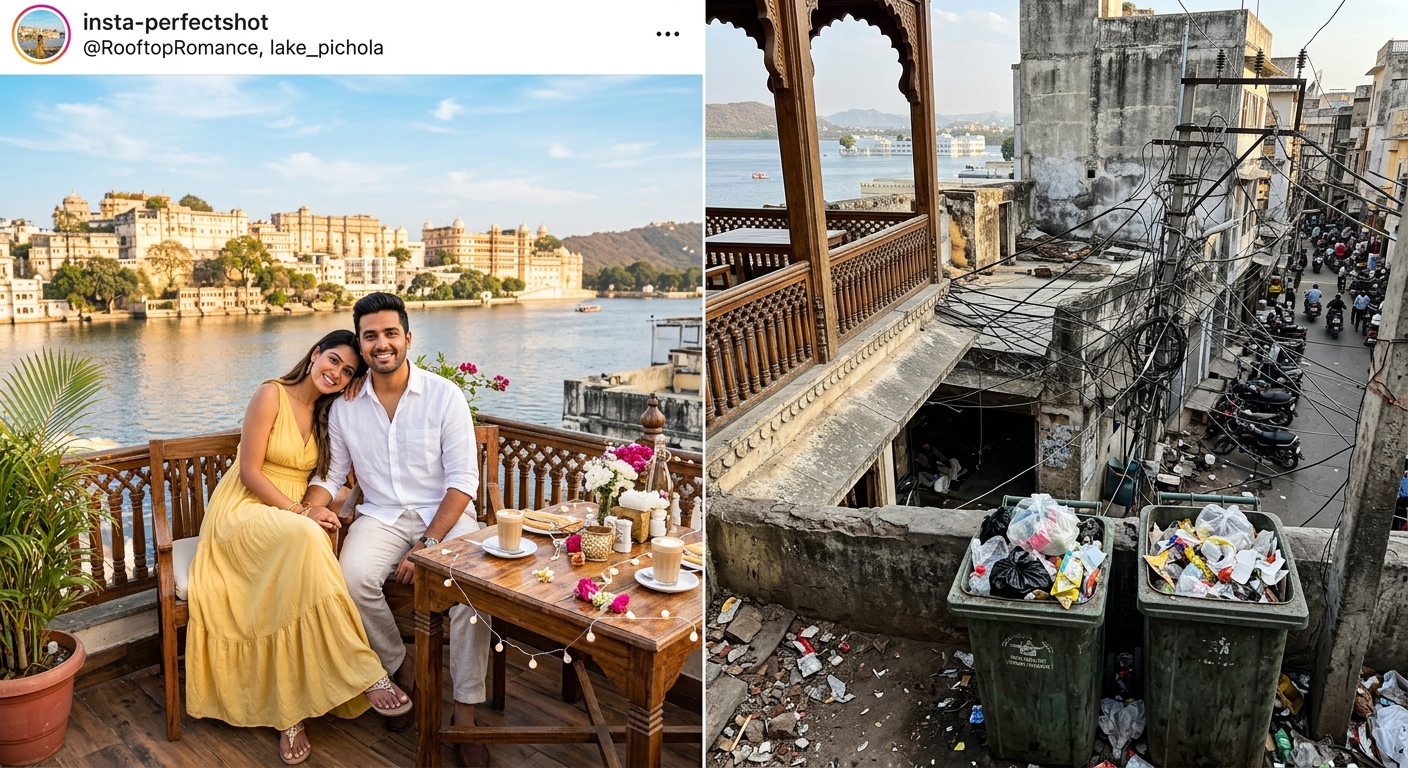
Nowhere is the pressure more visible than at Gangaur Ghat and the surrounding lakefront. What were once spaces for daily rituals and quiet contemplation are now dense with photo-shoots, influencer content creation, and wedding filming. Locals report littering, plastic waste left on the steps, and a feeling that spiritual and communal areas have become backdrops for a commercialized aesthetic. The crowding extends to other ghats and viewpoints, especially during evenings and festivals, when the crush of visitors makes it hard for residents to simply access the water’s edge. This transformation—from lived space to curated set—is a core piece of the “staged vs. authentic” debate. The city that appears in a thousand Reels is increasingly at odds with the one residents navigate daily, where overflowing drains and traffic bottlenecks are cropped out of the frame.
Staged vs. Authentic: When Travel Becomes a Script
Social media doesn’t just promote Udaipur; it scripts the visit. Tourists arrive with a mental checklist of must-capture angles—the City Palace facade, the perfect sunset from a rooftop, the whitewashed lanes of the old city—often replicating shots they’ve seen online. This “picture-perfect” marketing tends to erase local struggles and environmental costs, making it harder for more critical narratives to gain traction unless they go viral as counter-posts. Yet, the same platforms that amplify the dreamy Lake City image are now hosting pushback. On Reddit and in comment sections, locals and more reflective travelers are sharing lesser-known food spots, non-Instagrammy neighborhoods, and quieter ghats as an informal corrective. This dual role of social media—as both promoter and critic—mirrors broader research showing that platforms can function as a social movement for change, circulating images of overcrowding and environmental damage that pressure authorities to respond.
Udaipur in a National Overtourism Pattern
Udaipur’s struggles are not unique. Across India, fragile destinations from Uttarakhand’s hill towns to heritage cities are grappling with viral social media trends, weak governance, and inadequate infrastructure. In Uttarakhand, once-quiet spots have turned into “stresscation” destinations due to crowding, prompting calls to visit lesser-known places, avoid peak weekends, and choose homestays. Research on overtourism in India identifies unregulated promotional campaigns and the absence of zoning or quotas as key drivers of pressure on lake and heritage regions. Udaipur sits squarely at this intersection: a visually spectacular city promoted aggressively online, but with finite lakes, narrow lanes, and a growing population that feels the strain. The Reddit thread’s rapid pickup by national media is a concrete example of local grievances breaking through the curated visual narrative to spark a wider debate.
Traveling Better: How to Experience Udaipur Without Adding to the Strain
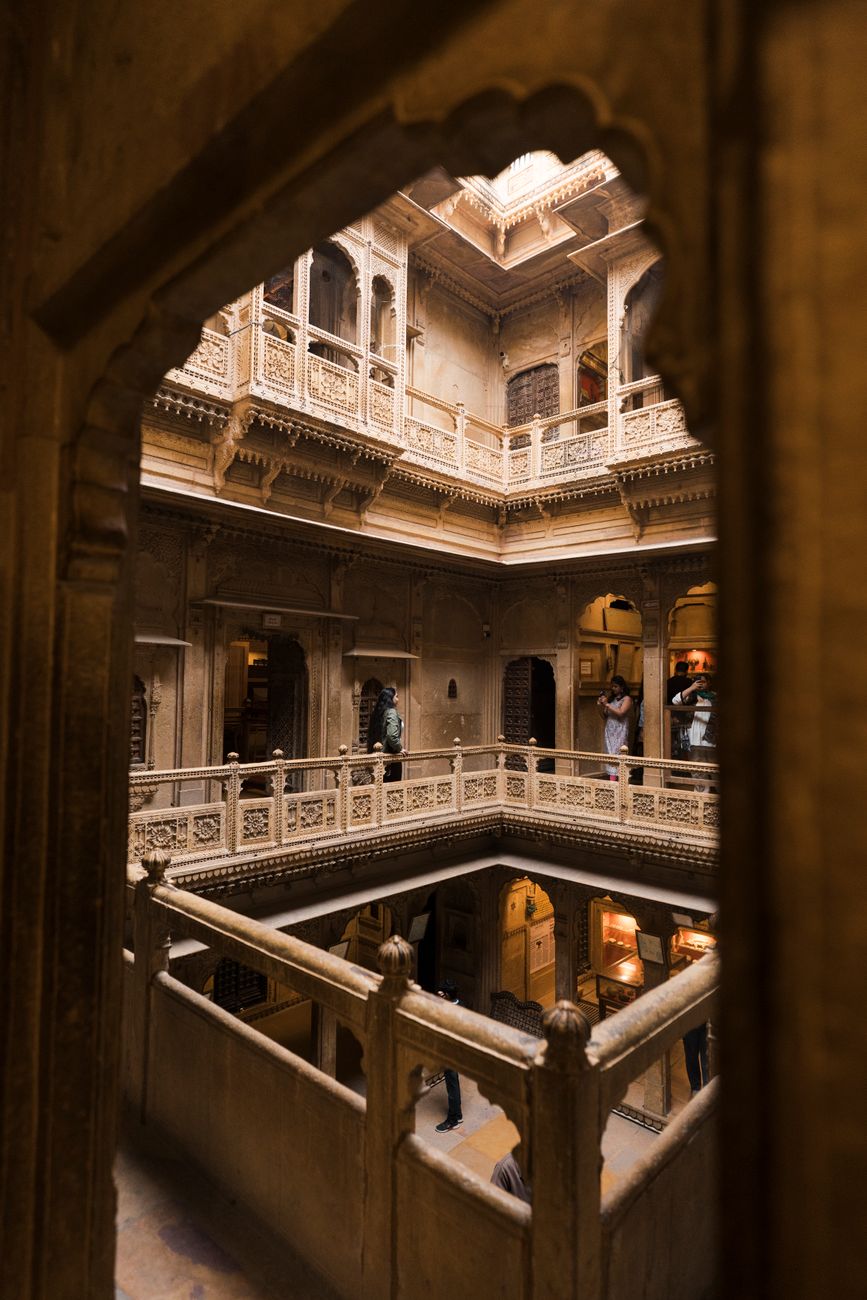
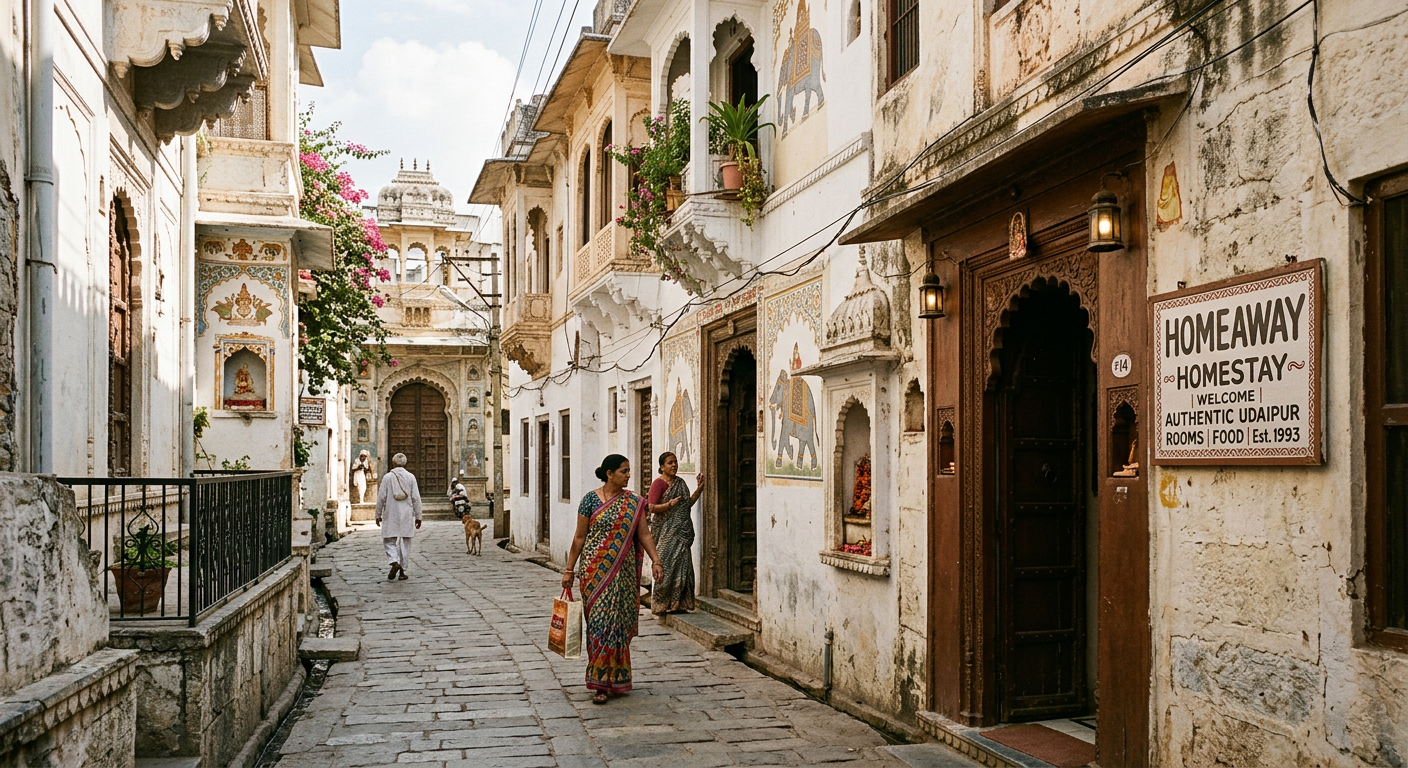
Visitors can play a direct role in easing the pressure. Start by avoiding peak periods—long weekends, New Year, and major festivals see the worst crowding. Spread your itinerary beyond the most Instagrammed spots: combine the big hits with lesser-promoted neighborhoods, stepwells, or peripheral lakes, and spend time in local markets and family-run eateries. Choose homestays and small-scale guesthouses that respect neighborhood norms and invest in waste management. Keep photo-shoots unobtrusive at ghats and temple areas, and yield space to locals using these places for daily rituals. Minimize single-use plastics near the lakes, and support businesses that visibly manage waste responsibly. These small shifts not only reduce your footprint but often lead to a more grounded, memorable experience—one that aligns with the “authentic” Udaipur many travelers say they seek.
The Road Ahead: Can Udaipur Stay Both a Postcard and a Home?
The tension between tourism promotion and livability is not going away. On one side, government and industry continue to court visitors through aggressive digital campaigns. On the other, locals are demanding limits, better planning, and a voice in how their city is marketed and managed. The solution is not to stop tourism but to rebalance it: zoning and noise regulation in residential lakefront areas, responsible-tourism messaging woven into official campaigns, and genuine community involvement in planning. As one local commentator warned, unchecked mass tourism risks “killing the goose that lays the golden egg.” The question now is whether Udaipur can evolve into a model where the city remains a global postcard and a livable home—and what role travelers, influencers, and policymakers will play in that future.
Sources
- Too many tourists : r/udaipur - Reddit
- 'I can't enjoy my city anymore': Udaipur resident calls over-tourism draining, sparks discussion - Moneycontrol
- Udaipur local shares frustration over changing city culture and rising tourism: 'I can't enjoy my city' - Hindustan Times
- अब सोशल मीडिया पर भी दिखाई देगी लेक सिटी उदयपुर की खूबसूरती, ऑनलाइन मार्केटिंग शुरू - News18 Hindi
- Udaipur Tourism Meets Digital Entertainment - UdaipurTimes
- UDAIPUR & the plight of Mass Tourism - UdaipurTimes
- Social feeds & shows are shaping travel trends - The Times of India
- Top 7 Digital Marketing Tips for Tour Operators in Udaipur - OMG Web India
- Managing Overtourism in India's Fragile Destinations
- Uttarakhand becoming a 'stresscation' spot due to overtourism - Onmanorama
- The role of social media in creating and addressing overtourism (Gretzel 2019)