


Urbanisation & Water Depletion in Udaipur
Explore how rapid urbanisation is depleting Udaipur’s water sources and what steps can help reverse the damage. Learn more and stay informed today.

The burgeoning urbanisation in the city is leading is resulting in a contraction of forest cover.
Population: 3,068,420 (2010), 3,678,517* (2020) >> projected increase
610,097Forest Cover: 3115 sq. km. (2010), 2757.54 sq. km. (2020) >> decrease 357.46 sq. km.
The definition of urbanisation is the expansion of towns characterised by a growth in population mainly due to non-primary economic activities. Though urbanisation is a phenomenon that is taking place across the world, the situation in India is different.
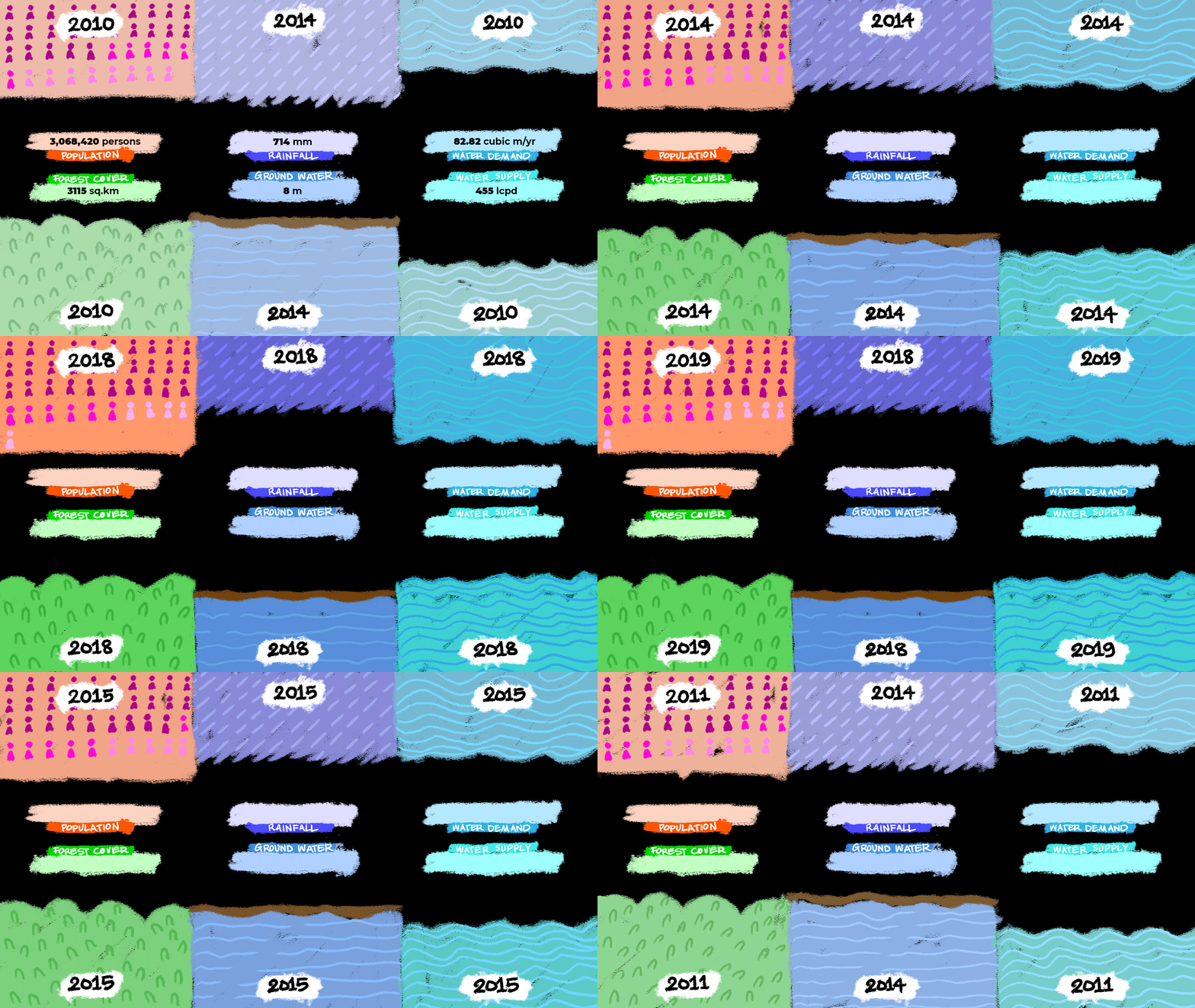
The Three Vertical Approach to analyzing geographical and demographic trends in Udaipur. (Illustration done by Jyothi Syam)
The country has been witnessing an unprecedented spurt in urbanisation over the last three decades. On one side, this is offering several opportunities for economic, social and technological advancement. And, on the other, the shift, is giving way to congestion and environmental degradation.
The trend in Udaipur is no different. Statistically, in the last 10 years, while there has been a projected population increase of over six lakh inhabitants, the forest cover in Udaipur has declined by a whopping 350 square kilometres.
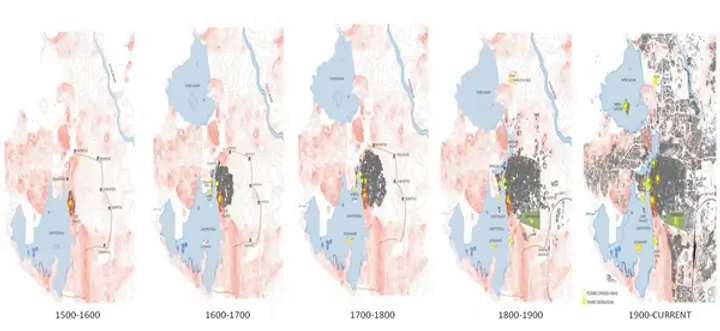
Growing urbanisation in Udaipur. (Image credit: Daksh Jain/Udaipur Times)
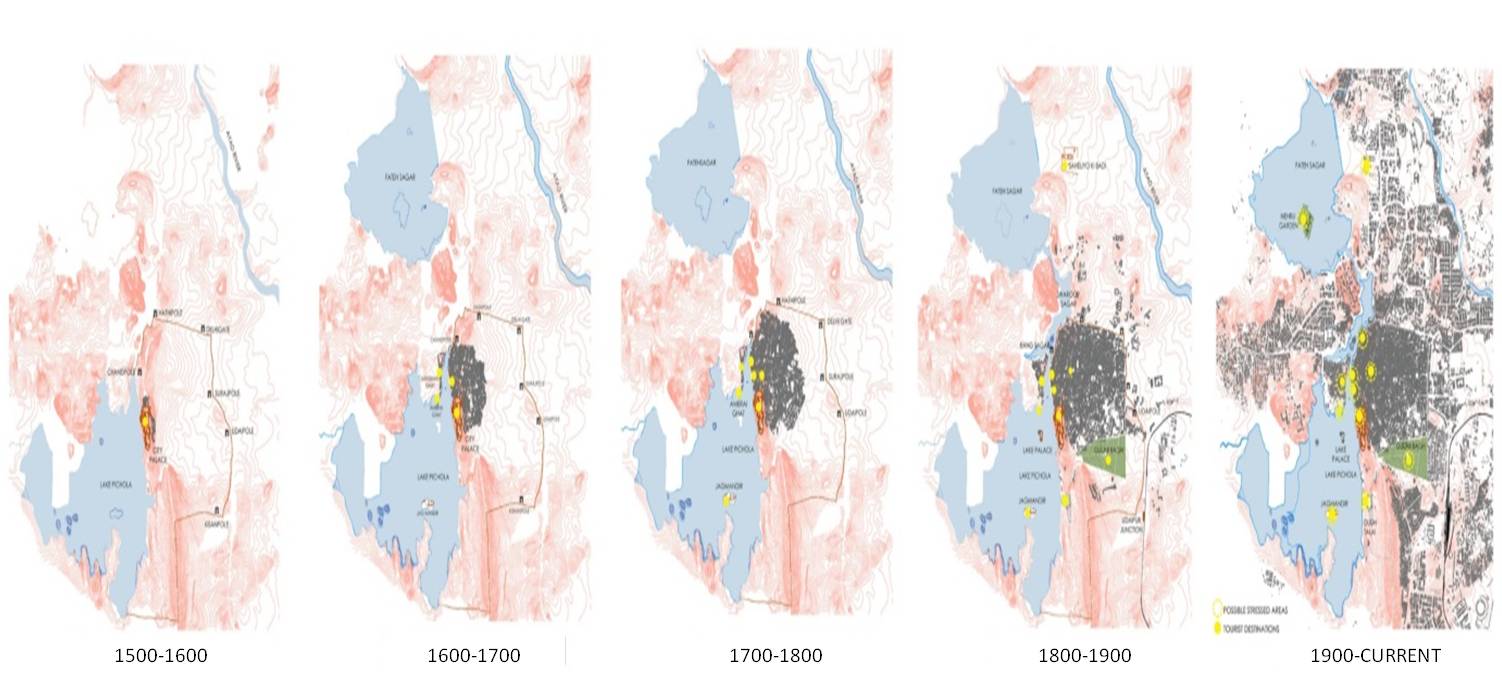
There are multiple reasons for this. Since tourism is a booming sector in Udaipur owing to all the heritage, art and culture as well as festivals that there is to see, there has been a gradual transformation in its socio-cultural landscape.
The adoption of national level urban policies like the Smart City Mission (SCM) are also responsible for the urban sprawl. Besides this, active missions like the Heritage City Implementation Development Augmentation Yojana (HRIDAY) and Atal Mission for Rejuvenation and Urban Transformation (AMRUT), are being implemented to push for development.
One of the most worrying signs that can be observed amidst all these initiatives is the decrease in forest cover. While several metropolitans across the world are prioritising the creation of urban forests (Urban Green Spaces) for the sake of the environment, including the regulation of micro-climate and better air quality, it is time Udaipur follows suit.
Increase in the demand for water is a race against the burgeoning urbanisation (Right vertical - water level)
Both urbanisation and tourism has led to a surge in water demand and the constant need for more.
Water Demand: 82.82 m3/ yr (2010), 139.84 m3/yr* (2020) >> projected increase
57.02 m3/yrWater Supply: 345 lcpd (2010), 455 lcpd* (2020) >> projected increase 110 lpcd
Udaipur is a city with a slew of lakes. Several domestic and foreign tourists visit the city to experience their placid beauty.
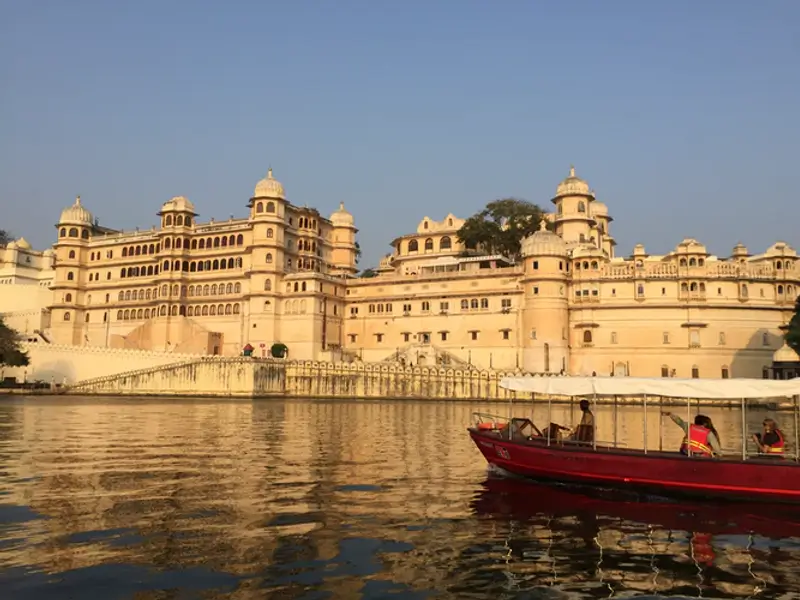
Majority of the tourism in Udaipur is due to the lakes (Image credit: Unsplash Jainam Mehta)
Due to the high inflow of people, the demand for water supply has also been hitting the roof.
According to estimates, there was a projected increase of nearly 60 cubic meter per year in water demand in Udaipur.
This demand is real across various non-agricultural sectors including domestic, livestock, institutional, cooling of power stations, wildlife and industries. According to the State Water Policy (SWP) was launched by the State Water Resources Planning Department in 2010, water resources are allocated and prioritized in the order as below:
- Drinking water for humans (highest priority)
- Drinking water for livestock
- Other domestic, commercial and municipal purposes
- Agriculture
- Power generation
- Environmental and ecological uses
- Industrial applications
- Non-consumptive uses like cultural, leisure and tourist uses (lowest priority)
To support the growing population, water supply was projected to be increased by nearly 32 percent or 110 Litres per Capita per Day (lpcd) between 2010 to 2020.
Commercialization and man-made activities leading to depletion of water table in Udaipur (Centre vertical - groundwater and rainfall):
The groundwater levels in Udaipur have dropped tremendously over the years due to dwindling rainfall and other factors.
Rainfall: 714 mm (2014), 583.85 mm (2018) >> decrease 130.15 mmGround
Water: 8 m (2014), 4.3 m (2018) >> decrease 3.7 metres
Since Rajasthan is predominantly a desert state, rainfall is a has always been a bit of a conundrum. Consecutive monsoon failures and recurrent droughts have made the state vulnerable.
While the western districts of Rajasthan, namely Barmer, Jaisalmer, Jodhpur, Jalore and Sirohi, may be at a higher risk of facing droughts due to their hot climate and dry sandy soils, Udaipur has also faced this.
One of the main reasons for this is its geographical location. During the British regime, Udaipur came to be known as the city of lakes, and the four large water bodies - Pichhola, Swaroop Sagar, Fateh Sagar and Badi, was its lifeline.
However, the condition of the lakes deteriorated in the post-independence era. Even today, the lakes which form the backbone of the city's economy, are under an imminent risk of being degraded.
With population explosion in the recent decades, Udaipur’s boundaries have have been pushed out of its hilly confines and its historical core condensed further inward. With about 70 ghats, 80 plus hotels and 6,000 houses located on the slopes of its lakes, they are exposed to the risk of deterioration. Commercialization along the lakefronts has also been responsible for the lakes getting polluted.
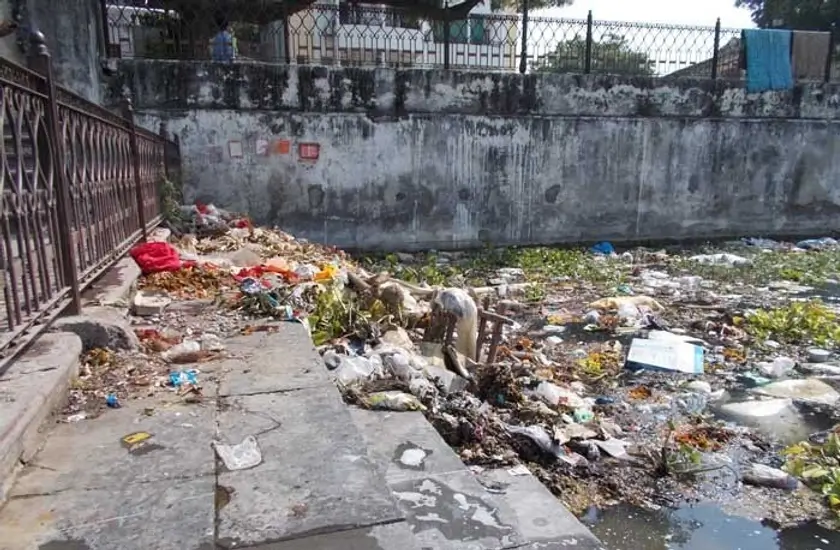
Increased commercialization leading to growing water pollution in the lakes (Image credit: Udaipur Times)
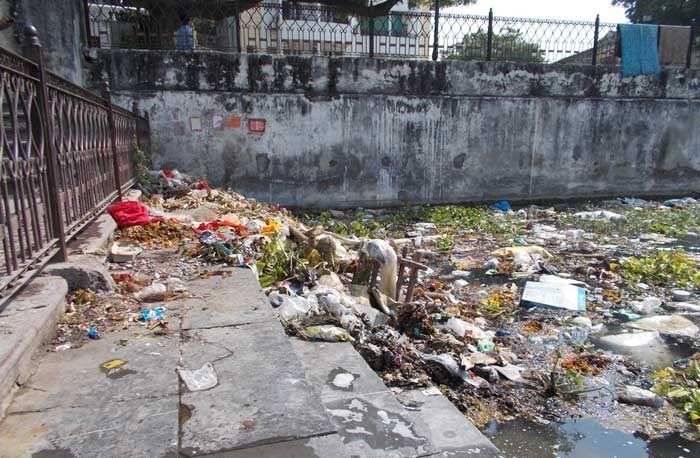
Over the last 25 to 30 years, deforestation and faulty land-use practices have led to the destruction of catchments areas too, resulting in the inflow of sediments into water bodies. Hence, heavy siltation has reduced the depth of the lakes to a quarter of what it used to be.
Narpat Singh Rathore and Narendra Verma, who are both professors of Geography, have assessed the how rainfall impacts water tables in South Rajasthan as part of their research
“Continuous change in the nature of rainfall and the additional pressure to provide water resources for the growing population and livestock in South Rajasthan have led to a declining water-table. The shrinkage of forest cover across hills has further accelerated soil erosion and siltation of river channels and water reservoirs”, they say.
The efforts put in by individuals and organizations like Jheel Sanrakshan Samiti (JSS) to restore water bodies in the city is gradually bearing fruit.
Edited by Roshni Shroff
Like this article? Share it with your friends


