


Sitafal, Udaipur, and the legacy of making
Sitafal Design's contemporary garments are shaped by the Udaipur's architecture, ornamentation, and craft

Where stone learns to bloom: Sitafal, Udaipur, and the legacy of making
In Udaipur, stone does not behave like stone. It blooms, curls, breathes. Marble walls carry floral rhythms, parrots pause mid-gesture, vines stretch endlessly across palace surfaces. These are not decorations, they are habits of seeing as the city stretches along its lakes in white with facades, palaces, havelis catching and returning light throughout the day. Morning softens the city, afternoon sharpens it, evening multiplies it.
For Siddhakanksha, Sitafal’s founder who grew up in Udaipur, this way of seeing was not learned but inherited. Shaped by the city’s architecture, ornamentation, and daily intimacy with craft, Udaipur formed her instincts as an artist and designer. Sitafal’s vision of contemporary Indian wear begins from this same place: that a garment, like a wall, can hold memory.
Parrots that wander from Miniatures to Tees
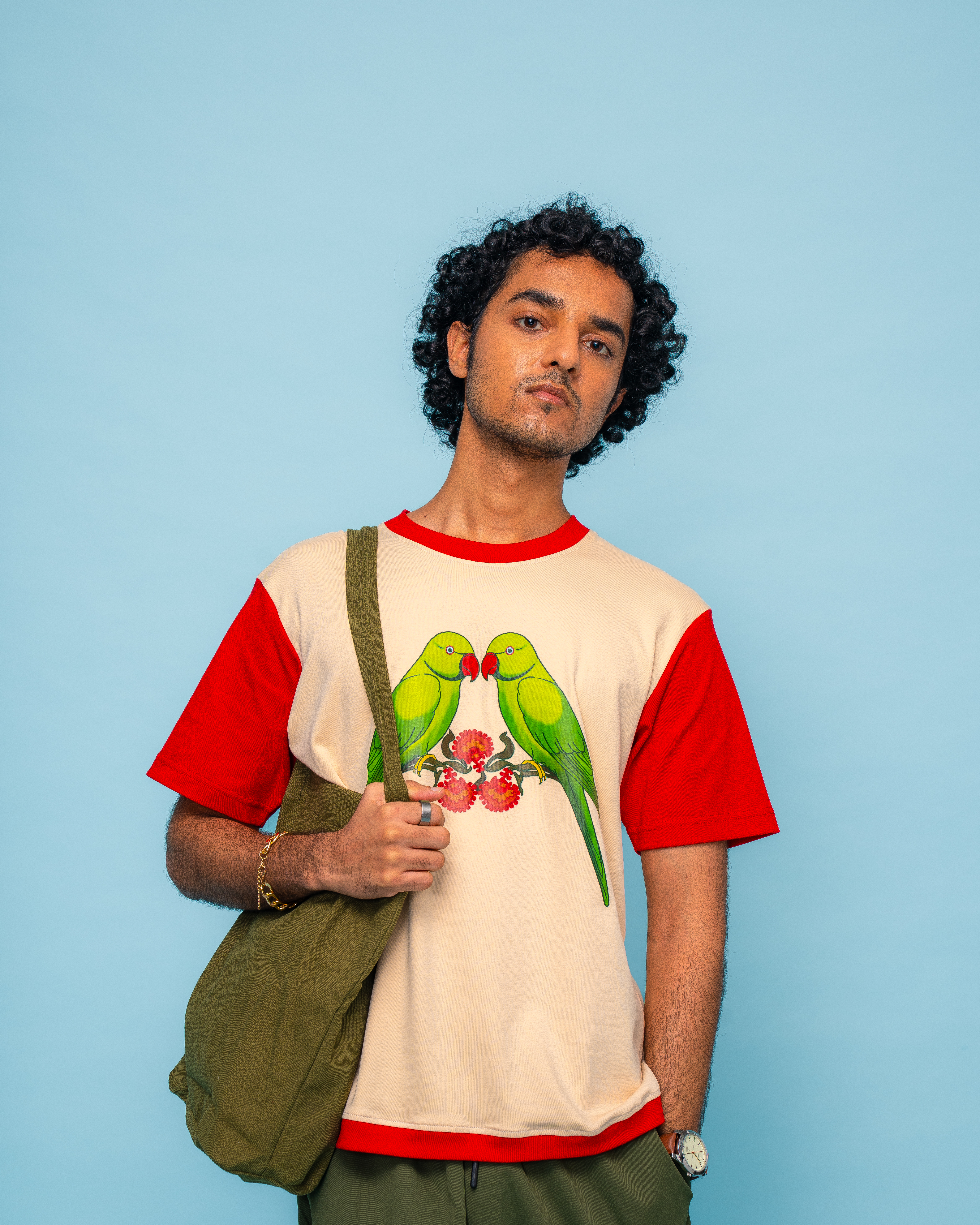
The whimsical parrots in miniature paintings appear again and again, often watching, often playful, rarely central yet impossible to miss. They sit on balconies, lean toward conversations, observe moments without interrupting them, or chirp away against the palace walls. It is this playful presence from the sidelines that sits at the heart of Sitafal’s design.
Arches, Jharokhas, and learning to frame
The repeating arches and the grand jharokhas in havelis are not just ornamental. They cool the rooms and the courtyards, filters and makes art out of light, frames the city. And yet, it is carved. This refusal to separate function from beauty runs through the city and into Sitafal’s tees, because a t-shirt is not usually a statement piece. At Sitafal, we design the tees and caps for movement, repetition, and ease. Much like the architecture of Udaipur, they are meant to live with you.
Floors, pillars, and the city’s love for Motifs
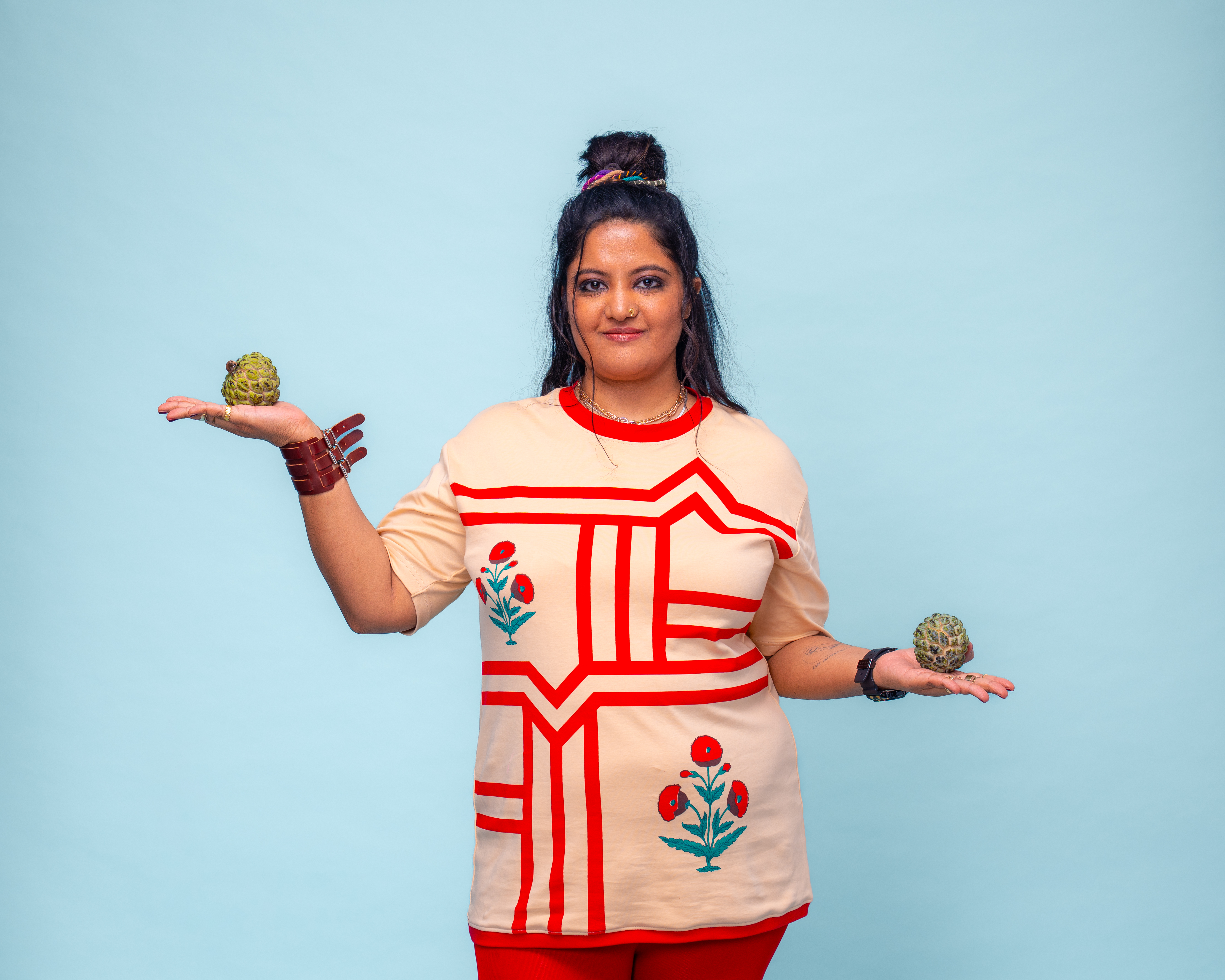
Inside the City Palace, the eye moves between sharp checkered marble floors and ornate floral inlay on arches and pillars with marigolds, lotuses, poppies set delicately into stone. Geometry below, abundance above. This contrast finds its way into Sitafal’s pieces. Solid cotton bases act as grounding surfaces, while floral motifs once carved on palace walls, embroidered on royal garments, and woven into textiles, come together in a new tongue that speaks of reinventing our relationship with history, art, and the cities we live in.
Texture as Language: Bandhej, Zari, Appliqué
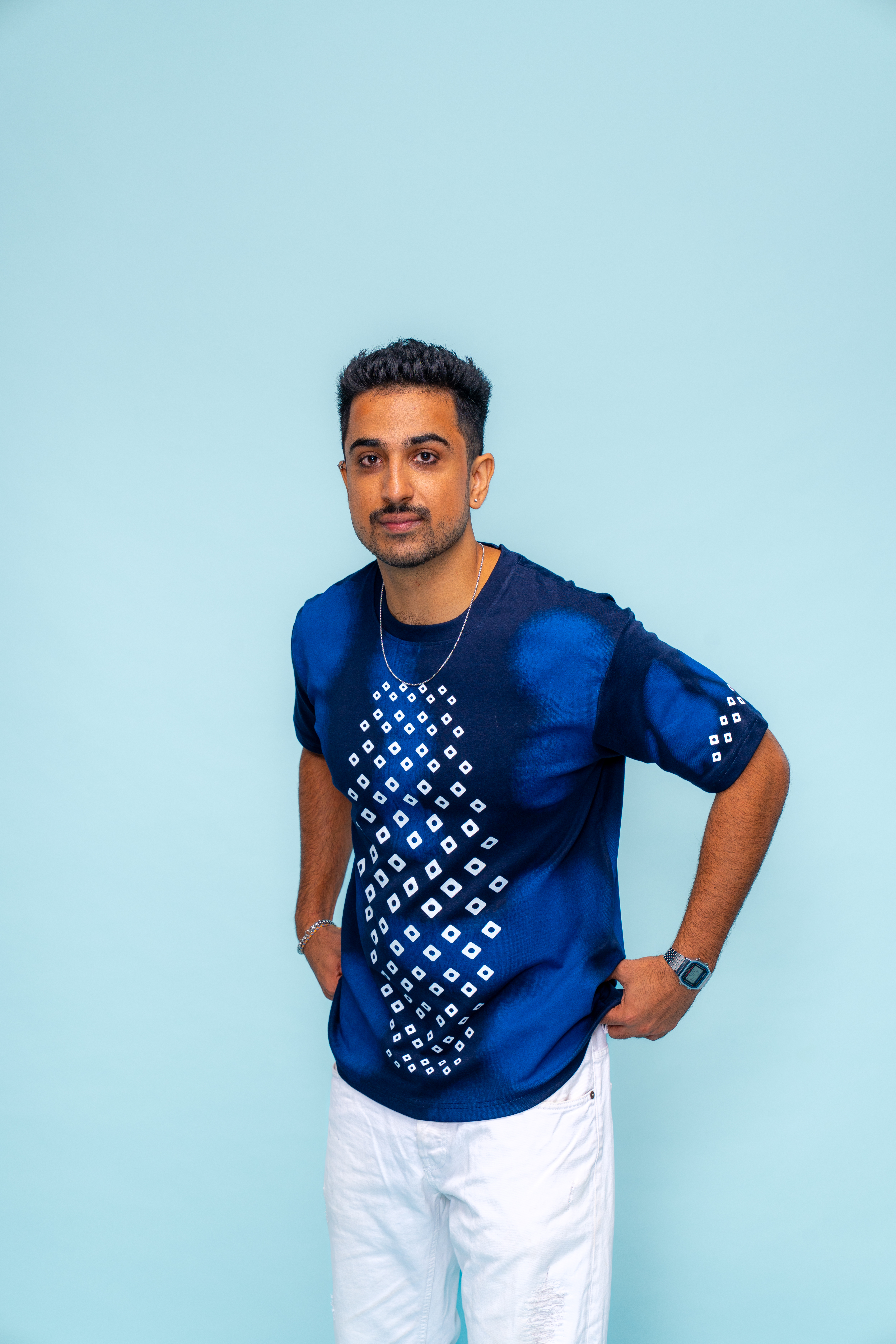
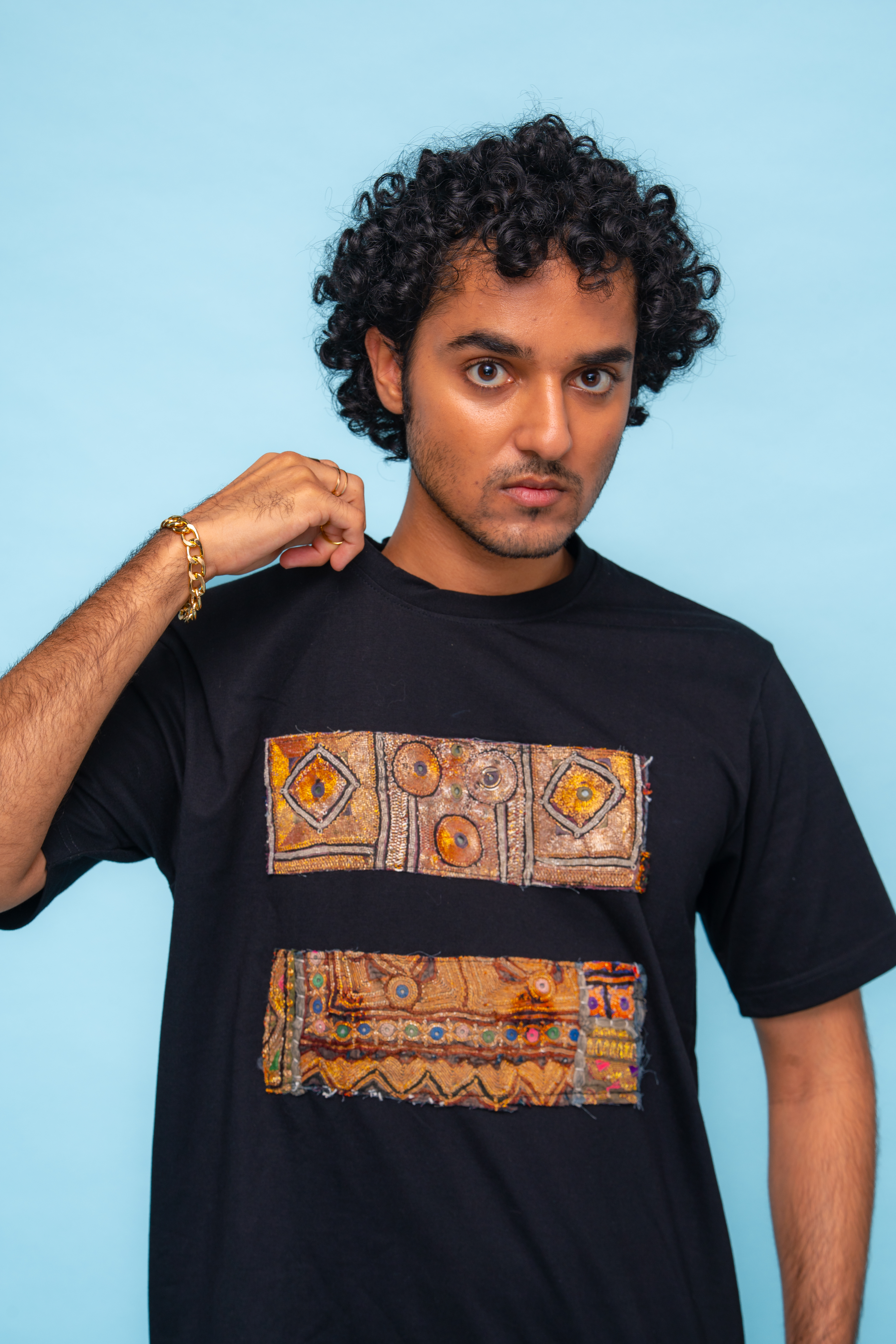
Udaipur’s artistry is tactile. Bandhej dots create movement. Zari catches light unevenly. Appliqué builds depth through layers. These crafts rely on patience, repetition, and the way material behaves over time, and this is how Sitafal treats print and fabric. Hand screen-printing allows slight variations, keeping each piece alive. Specially curated cotton fabric absorbs wear, softens over time, and carries memory, allowing the tees and caps to speak the same playful language as these crafts.
Not History, but a living Present
Udaipur is often described as historical, but the city resists being frozen. Its motifs remain alive on walls, in fabrics, in art. That continuity is what makes it feel contemporary. Sitafal draws from this living present. The designs are not meant to archive Udaipur, but instead participate in it. These are everyday heirlooms where you can carry and refashion a piece of history as your own, wearing your heritage on your sleeve.
Like this article? Share it with your friends


