


48 Hours in Udaipur: An Off-the-Beaten-Path Itinerary
Discover the hidden gems of Udaipur with this 48-hour itinerary. Explore Badi Lake, Bahubali Hill, Ahar Cenotaphs, Rayta Hills, and more.
48 Hours in Udaipur: An Off-the-Beaten-Path Itinerary
BeyondtheCityPalace
Udaipur is globally celebrated for its floating palaces and shimmering waters, but the true essence of the Mewar kingdom extends far beyond the crowded corridors of the City Palace and standard boat rides on Lake Pichola.If you only have 48 hours in the 'City of Lakes' and want to escape the tourist throngs, you need an itinerary that swaps the well-trodden sights for pristine lakes, ancient necropolises, and rugged mountain lookouts. This guide uncovers Udaipur’s hidden gems, offering a two-day journey into the quiet, authentic heart of Rajasthan.
Day 1 Morning: Badi Lake and Bahubali Hill
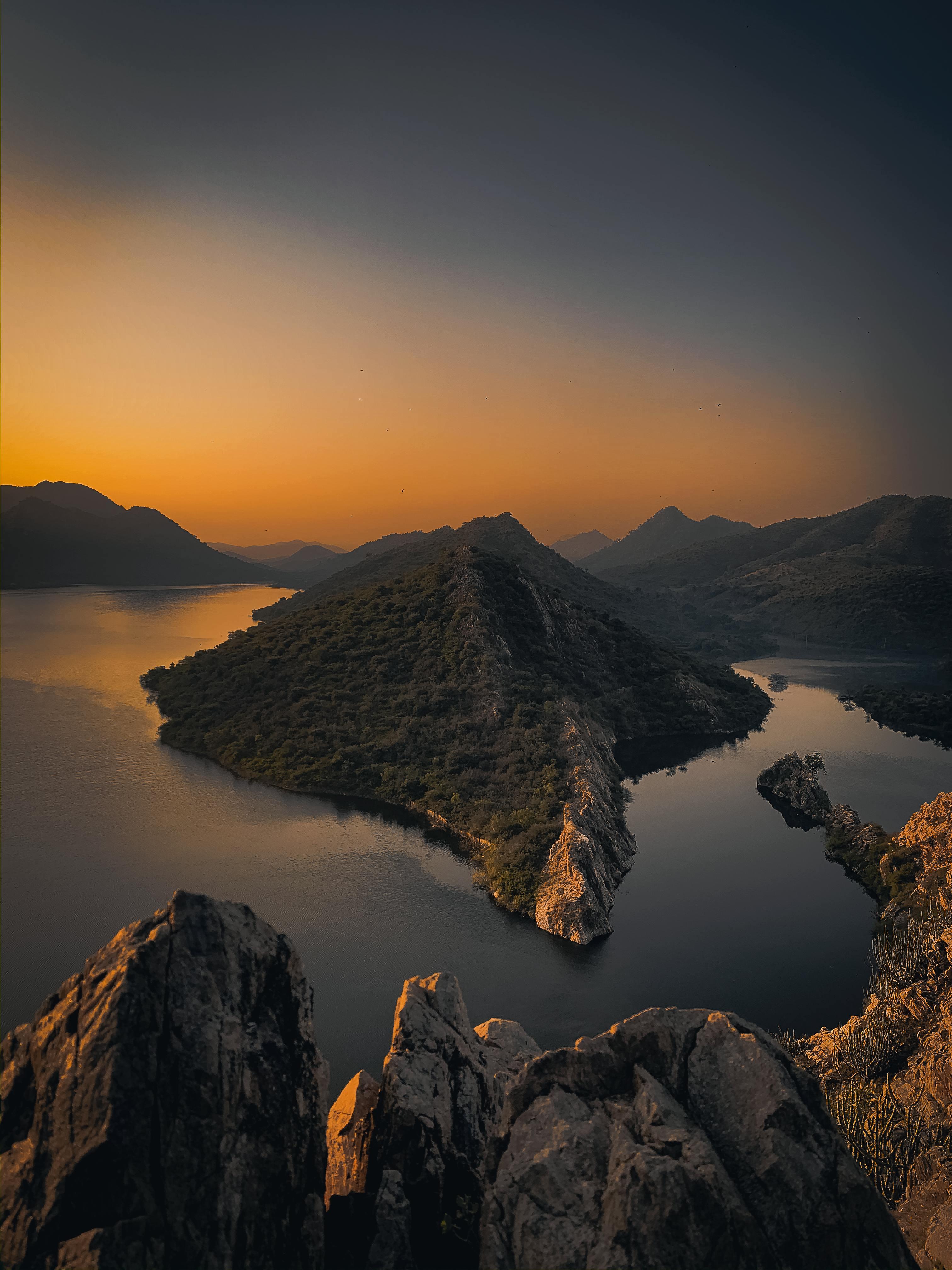
Start your first morning by heading 12 to 15kilometers outside the city center to BadiLake, an artificial freshwater lake built in the 17th century by Maharana Raj SinghI. Unlike Fateh Sagar or Pichola, Badi Lake is free from commercial boating and massive crowds. Just a short distance from the lake's edge lies the trailhead for Bahubali Hill. A brief, 15 to 20-minute hike up this rocky terrain rewards you with breathtaking, 360-degree panoramic views of the tranquil waters framed by the rolling Aravalli Range. Arrive early to watch the sunrise paint the mountains in soft pastel hues.
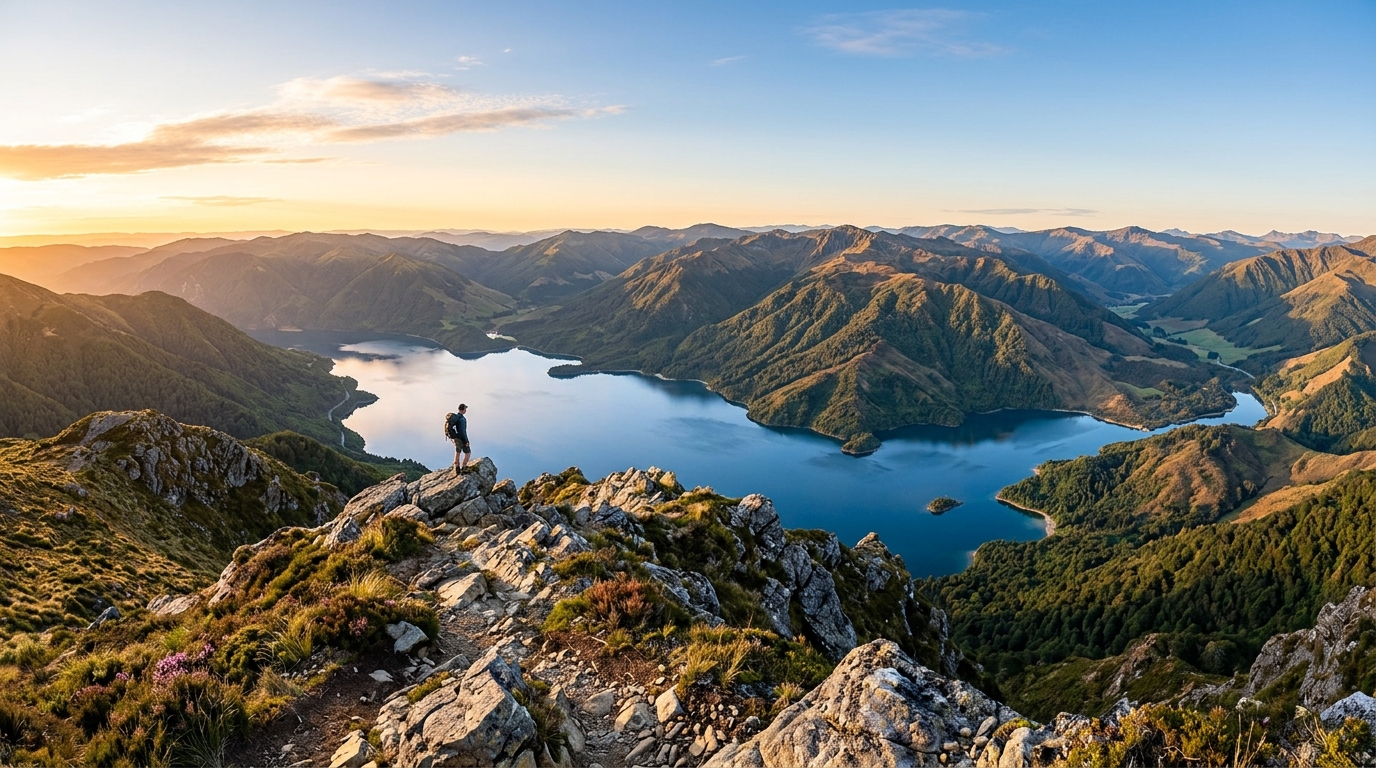
The short hike up Bahubali Hill rewards visitors with uninterrupted 360-degree views of Badi Lake and the Aravalli Mountains.
Day 1 Afternoon: The Ahar Cenotaphs
In the afternoon, immerse yourself in Mewar history at the Ahar Cenotaphs, the royal cremation grounds located just a few kilometers east of the main city. This sprawling archaeological site contains more than 250 elevated, dome-shaped marble pavilions, or chhatris, built over a span of 350 years. Nineteen Maharanas of Mewar were cremated here, and the most striking monument belongs to Maharana Sangram Singh II, featuring an octagonal central dome supported by intricately carved pillars. Despite its profound historical significance and stunning Jain-influenced architecture, the complex remains blissfully uncrowded.
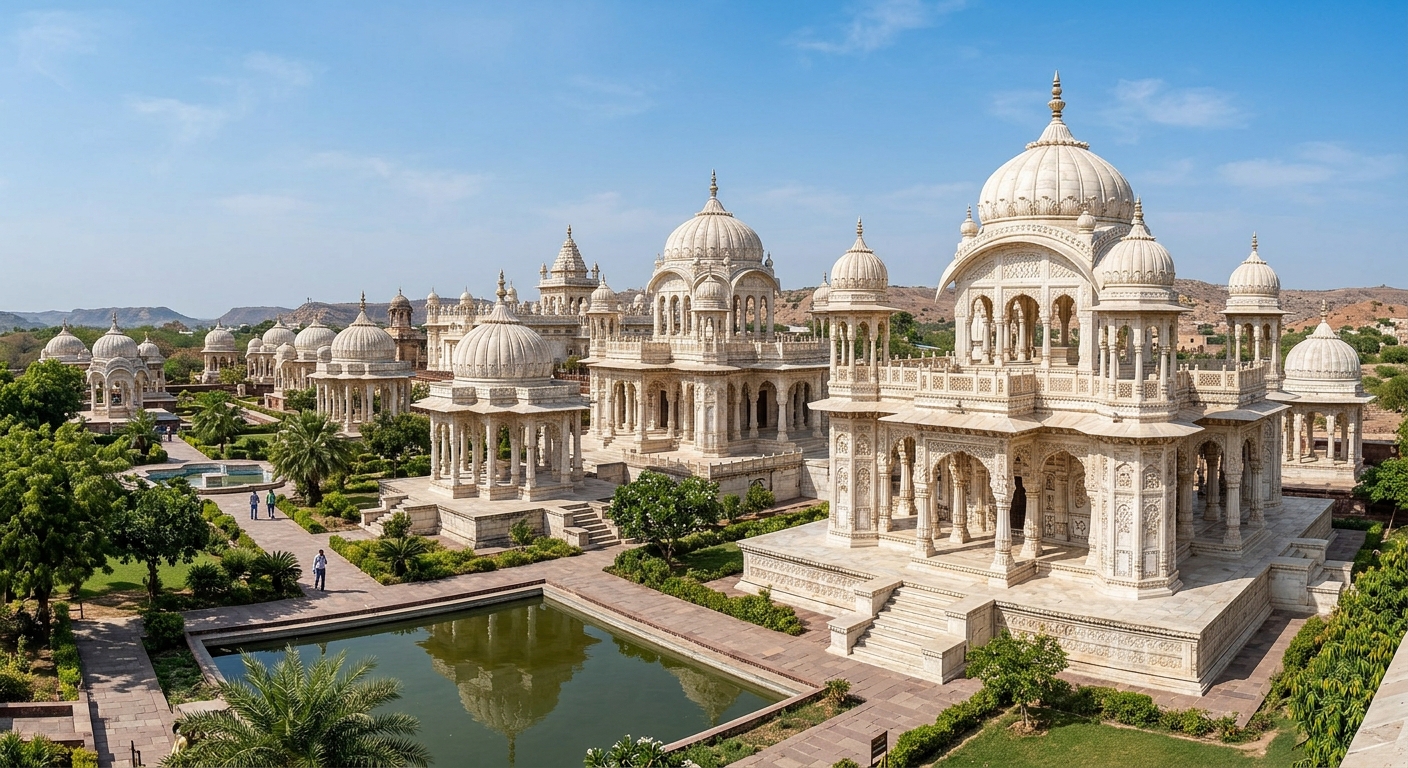
The royal cremation grounds of Ahar house over 250 striking marble pavilions, far removed from the city's tourist crowds.
Day 1 Evening: Hathipole Market and Gangaur Ghat
As the sun begins to set, avoid the heavily commercialized tourist traps and head to Hathipole Market. This bustling local bazaar is a treasure trove for authentic Rajasthani handicrafts, famous specifically for delicate miniature paintings, colorful embroidered textiles, and traditional leather mojris. After picking up some souvenirs, make your way to Gangaur Ghat in the old city. While it is a known spot, visiting in the late evening provides a surprisingly serene atmosphere. You can sit by the water's edge, listen to local musicians, and watch the distant lights ripple across the dark water.
Day 2 Morning: Road Trip to Rayta Hills and Alsigarh
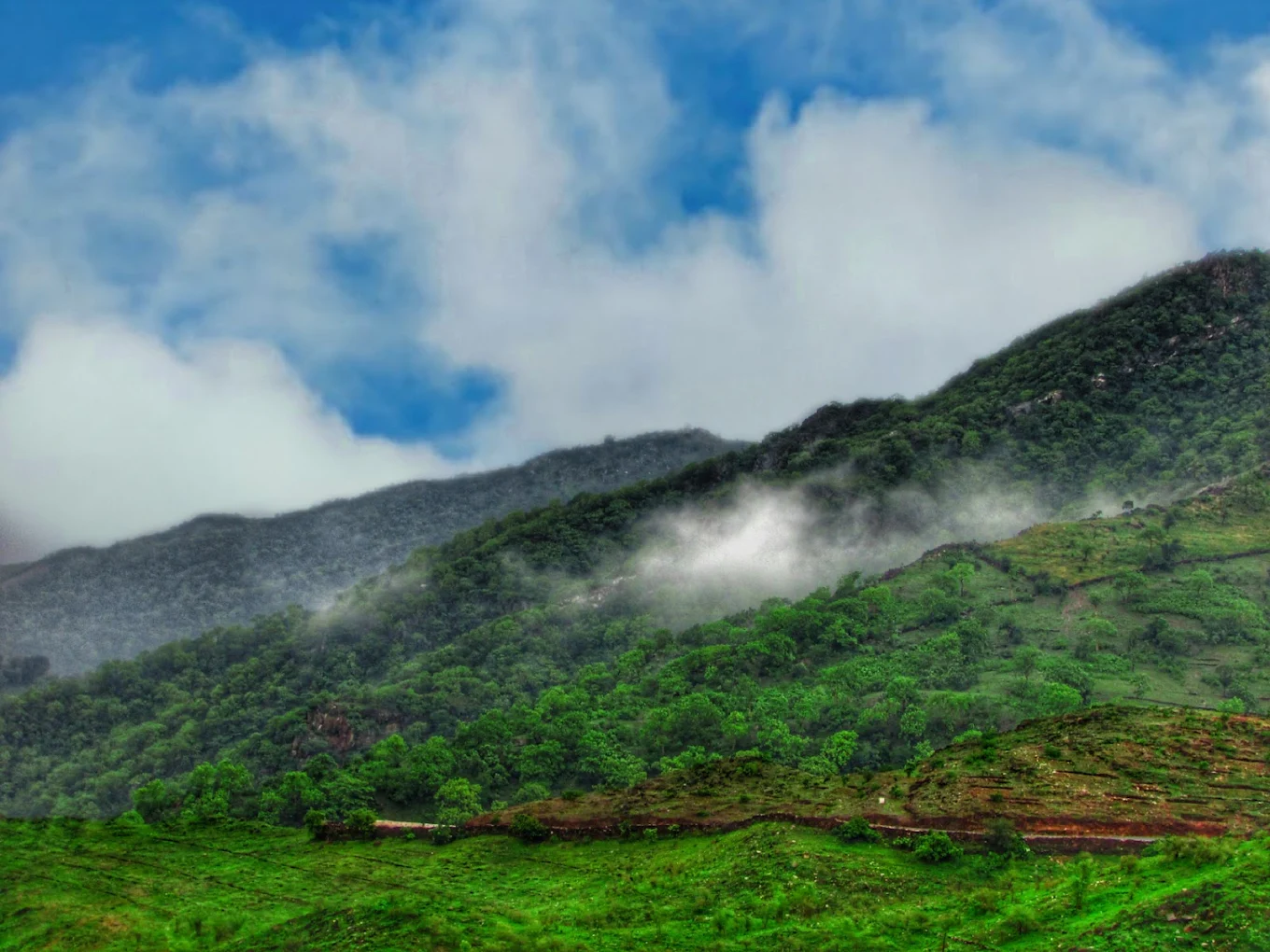
Kick off your second day by renting a car or motorcycle to explore the untamed outskirts of Udaipur. A scenic drive out to Rayta Hills and Alsigarh offers some of the most dramatic landscapes in the region. The winding roads cut through lush, undulating hills that feel a world away from the desert landscapes typically associated with Rajasthan. This area is practically devoid of tourists and provides countless opportunities for photography, peaceful roadside tea breaks, and a glimpse into the pastoral life of the local rural communities.
Day 2 Afternoon: Shilpgram Rural Arts Complex
Returning toward the city in the afternoon, stop at Shilpgram, a rural arts and crafts village situated near the foothills of the Aravallis. While it draws some visitors, it remains an underrated gem for cultural immersion compared to the central city museums. The complex features traditional mud huts representing different western Indian states. Here, you can interact directly with local artisans, watch live pottery and weaving demonstrations, and enjoy impromptu folk performances, making it a perfect spot to appreciate the region's indigenous heritage.
Day 2 Evening: Sajjangarh Monsoon Palace
Conclude your 48-hour adventure at the Sajjangarh Monsoon Palace. Perched high on a hill within the Sajjangarh Wildlife Sanctuary, this 19th-century palace was originally built as an astronomical center and a retreat to watch the monsoon clouds. While the palace interior itself is relatively bare, the vantage point is unmatched. It holds the highest elevation in the city, offering spectacular, sweeping views of Udaipur’s lakes, palaces, and surrounding countryside. Watching the sunset from this historic peak serves as the ultimate finale to your offbeat Mewar journey.
FAQs
Is the Bahubali Hill trek difficult?
-No, the trek is considered very easy. It takes only about 15 to 20 minutes of walking up a well-marked dirt trail to reach the viewpoint at the top.
Are cameras allowed at the Ahar Cenotaphs?
-Photography inside the Ahar Cenotaphs is restricted, and guards generally prohibit mobile phones and professional cameras within the complex. Visitors usually take photos from the outside perimeter.
How far is Badi Lake from central Udaipur?
-Badi Lake is located approximately 12 to 15 kilometers from the city center. It is easily accessible by renting a scooter or hiring a local taxi.
What is the best time of year to visit these offbeat locations?
-The ideal time to explore Udaipur’s outdoor hidden gems is between October and March when the weather is cool and pleasant. The monsoon season (July to September) is also beautiful for lush green landscapes.
Sources
Like this article? Share it with your friends


