


Mumbai neighbourhoods reinventing their food identity
Explore Mumbai's diverse neighbourhoods like Bandra, Fort, Lower Parel are reshaping the city's culinary landscape with sustainable and hyper-regional dining.
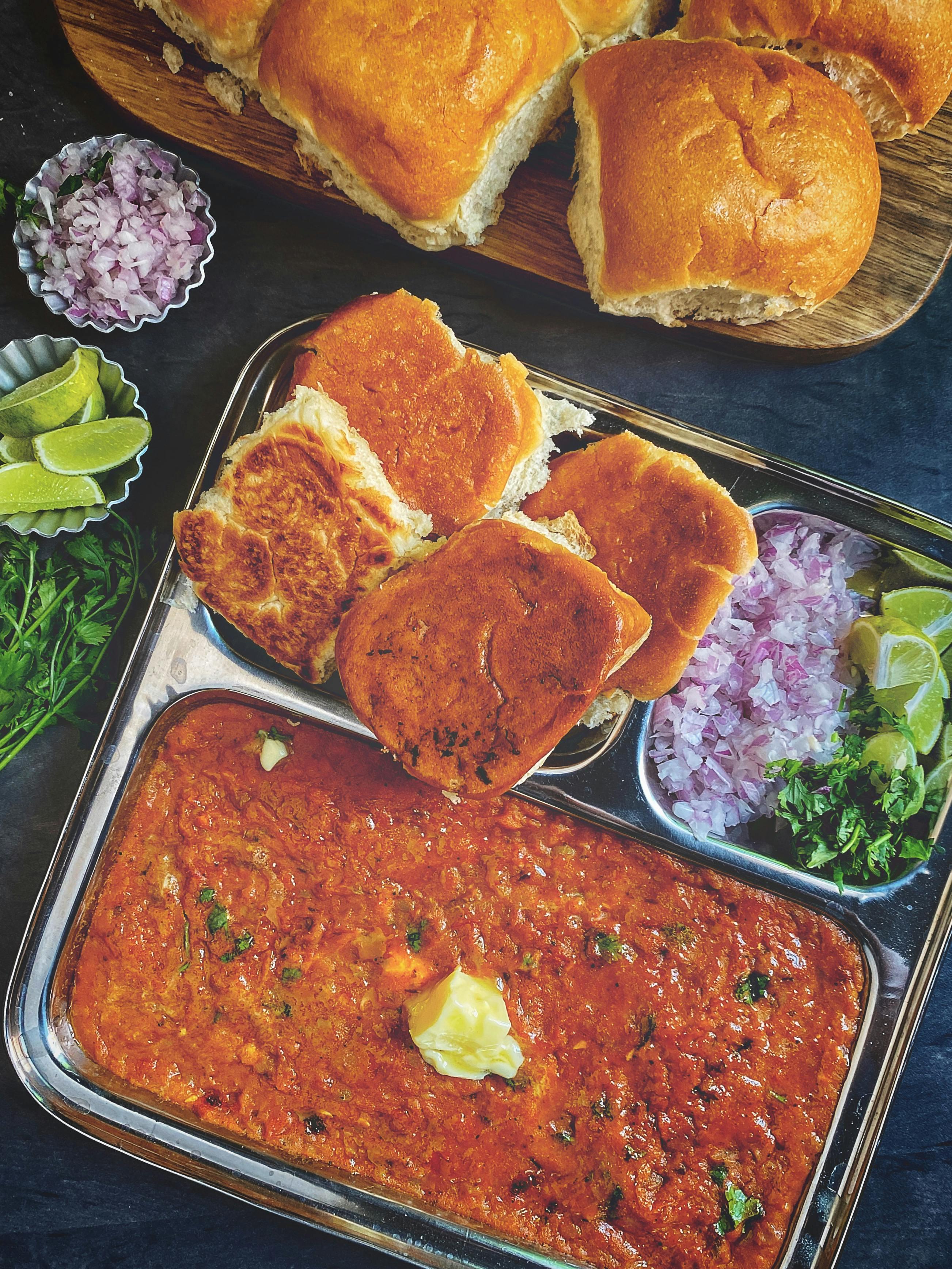
Mumbai Neighbourhoods Reinventing Their Food Identity
The Culinary Metamorphosis of Mumbai
Mumbai has long been celebrated for its bustling street food culture, earning the 5th spot in the 2024-25 Taste Atlas global food city rankings. However, beyond the iconic vada pav and pav bhaji, a profound culinary metamorphosis is underway. The city’s distinct neighbourhoods are shedding their monolithic dining reputations, embracing a future defined by hyper-regional cuisines, sustainability, and elevated dining experiences.
Bandra: From Legacy Bakeries to Hyper-Regional Heroes
Once dominated by legacy bakeries and continental cafes, Bandra has transformed into the epicenter of Mumbai's progressive food movement. The suburb is now at the forefront of plant-based eating and wellness-focused dining, with chefs adopting mindful consumption and hyperlocal ingredients. Alongside health-conscious menus, the area has also seen a surge in K-Pop influenced cuisine and experimental Asian formats, catering to an increasingly globalized, yet environmentally conscious audience.
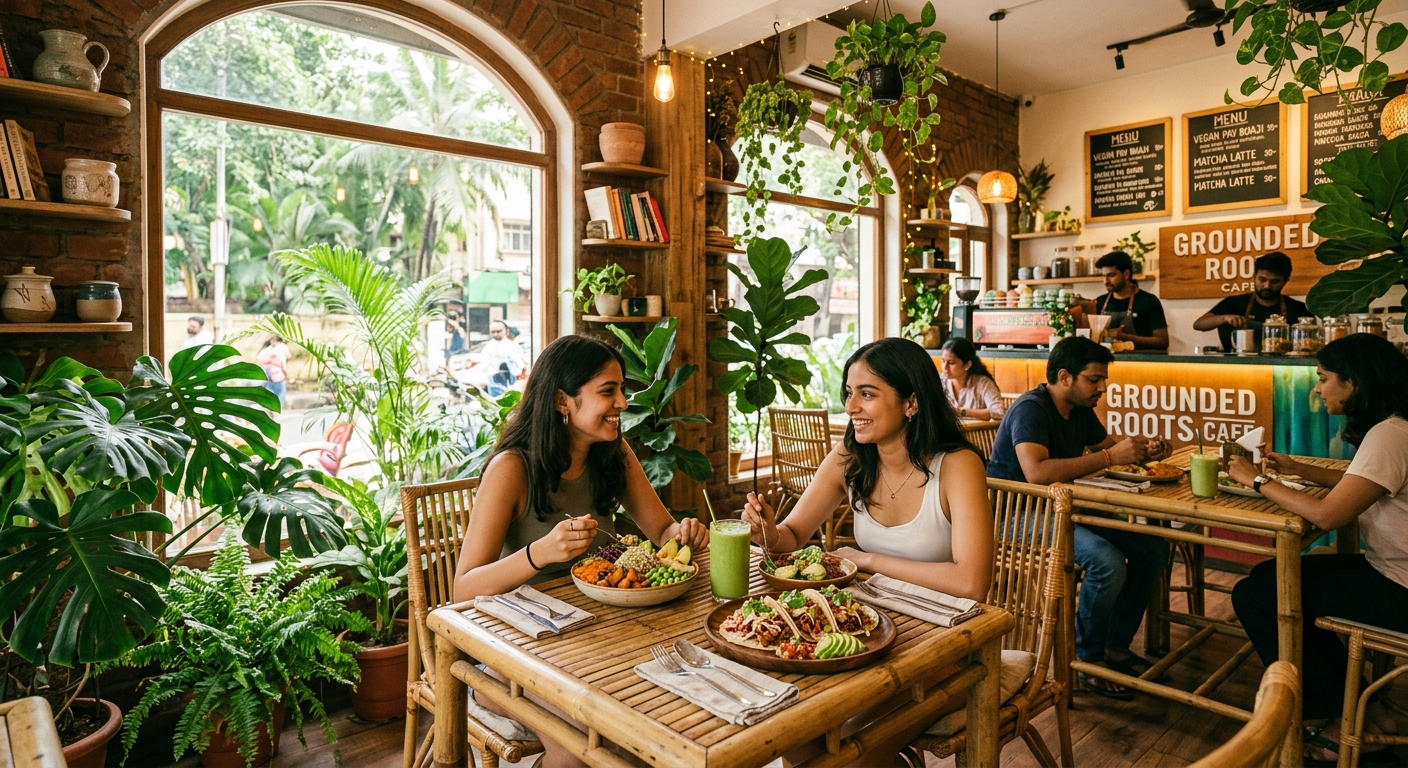
Bandra's dining scene has pivoted heavily toward sustainable, plant-based, and wellness-focused cafes.
Fort: Heritage Architecture Meets Global Gastronomy
In South Mumbai, the historic Fort district is rewriting its gastronomic narrative. While the charm of its century-old Irani cafes remains intact, the neighbourhood is increasingly hosting high-end establishments that spotlight lesser-explored Indian micro-cuisines. Diners in Fort are now seeking authentic, hyper-regional dishes from Konkani, Chettinad, and Saraswat traditions, proving that authenticity and heritage can seamlessly merge with modern fine dining.
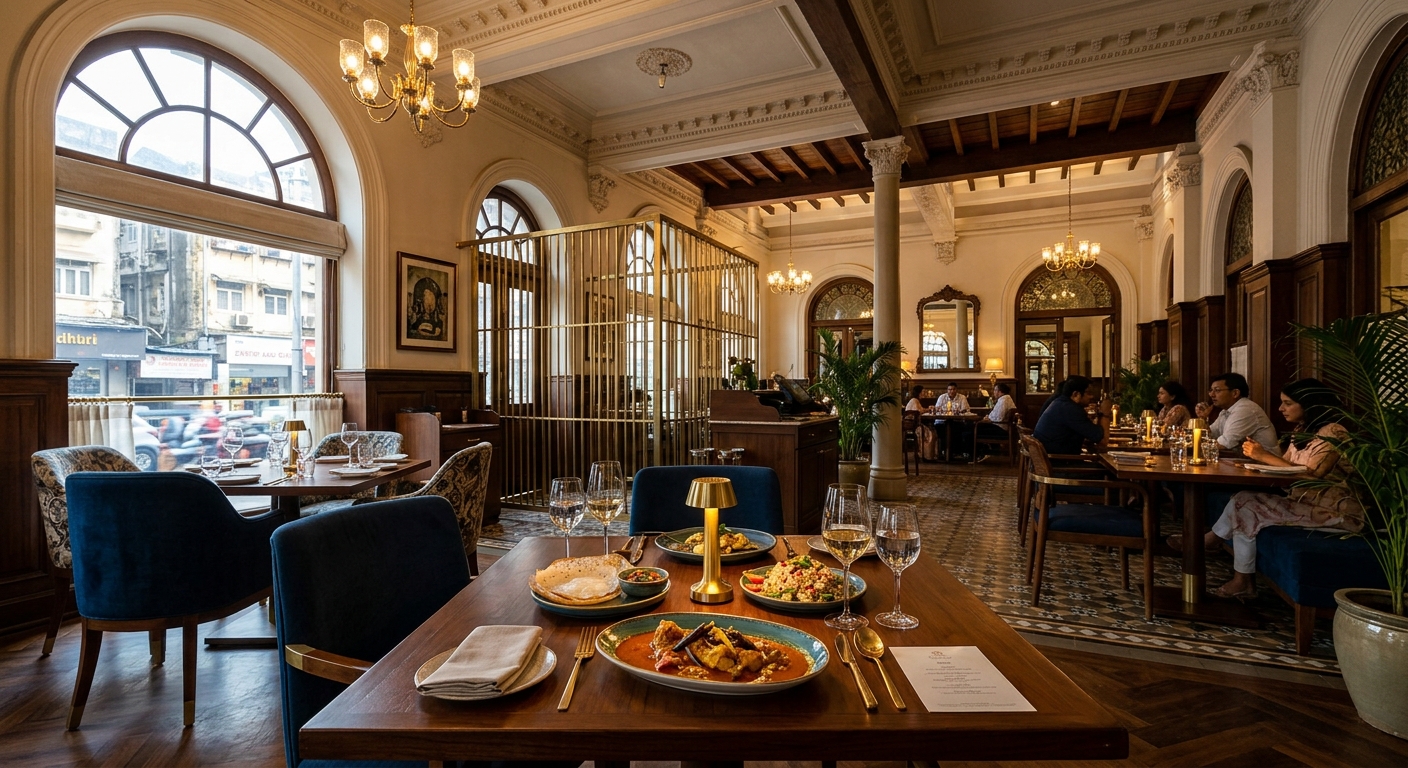
The Fort neighbourhood blends its rich architectural heritage with elevated, hyper-regional Indian gastronomy.
Lower Parel: The Mill-Land Modernists
The erstwhile industrial zones of Lower Parel and the Kamala Mills compound have completely reimagined their identities. Moving past their initial phase as pure nightlife hubs, these areas now champion elevated casual dining and experiential concepts. The focus here has shifted toward root-to-stem cooking and eco-friendly practices, attracting a corporate and creative demographic that demands transparent, farm-to-table culinary narratives.
Dadar: Elevating Maharashtrian Classics
Dadar, one of Mumbai's oldest neighbourhoods, is synonymous with traditional Maharashtrian fare and the bustling street food that anchors the city's gastronomic identity. Today, local restaurateurs are elevating these regional classics. While the soul of Dadar remains rooted in its iconic eateries, a new wave of establishments is modernizing the presentation and context of Maharashtrian thalis, ensuring the neighbourhood's food identity evolves without losing its rich cultural heritage.
Andheri West and Versova: Eclectic and Health-Conscious
Known for its close ties to the film and television industry, Andheri West boasts one of the most eclectic dining scenes in the city. The neighbourhood's restaurants reflect the diverse, well-travelled nature of its residents. Here, trendy cafes and robust culinary establishments experiment with bold international flavors, integrating seasonal menus and energy-efficient practices that align with Mumbai's broader push toward sustainable gastronomy.
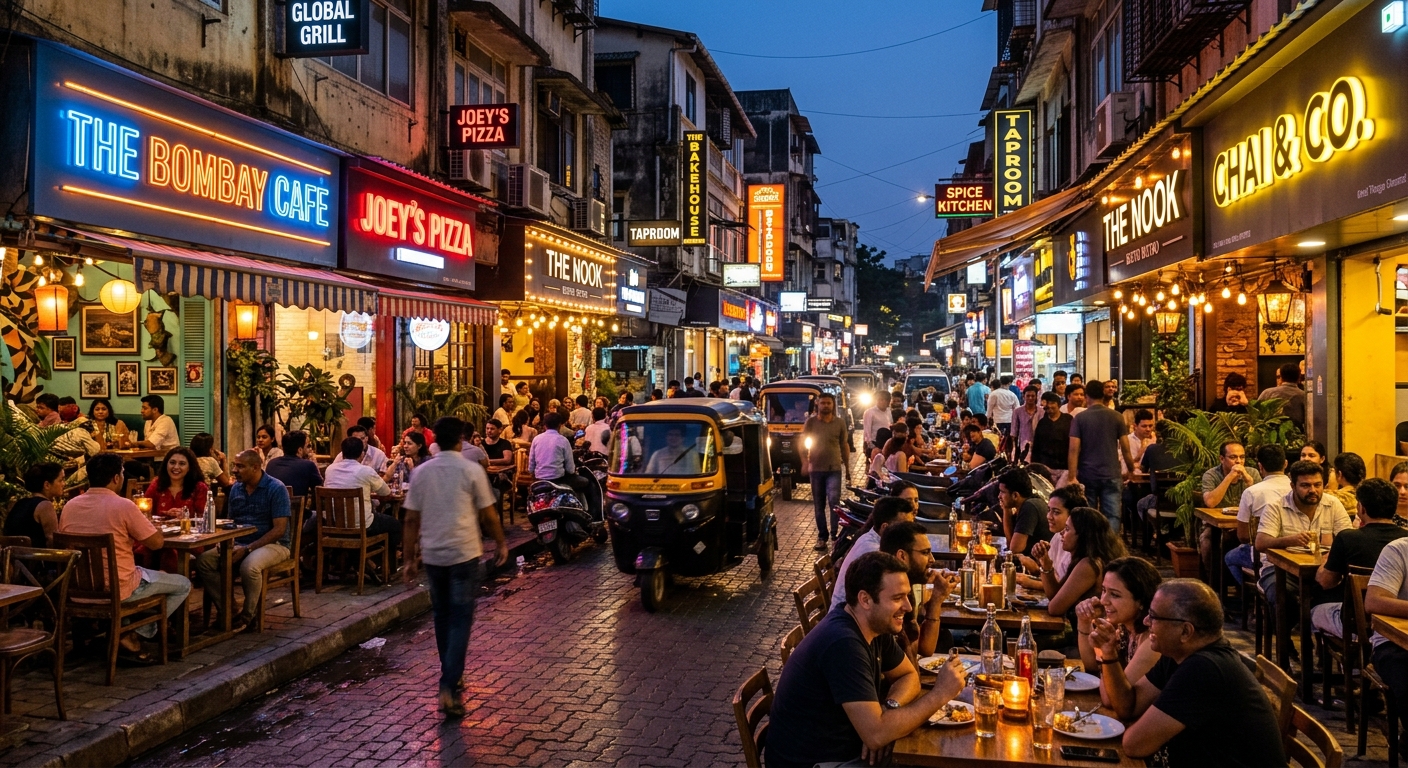
Andheri West offers an eclectic mix of international flavors and health-conscious eateries favored by the local creative industry.
A Micro-Cultural Dining Future
Tying these neighbourhood micro-cultures together is a city-wide commitment to sustainable and conscious consumption. Across Mumbai, there is a distinct shift toward eco-friendly packaging and partnering with local farmers. As diners increasingly care about the origins of their food, restaurants in every pin code are being challenged to innovate responsibly, ensuring that Mumbai’s reinvented food identity is as resilient as it is delicious.
FAQs
What are the dominant food trends in Mumbai right now?
-The culinary scene is heavily influenced by hyper-regional Indian cuisines like Saraswat and Konkani, alongside a strong emphasis on sustainability, root-to-stem cooking, and plant-based dining.
Where does Mumbai rank globally for its food?
-Mumbai ranked 5th in the 100 Best Food Cities in the World list for 2024-25 by TasteAtlas, celebrated globally for its vibrant street food and diverse multicultural dining scene.
How is the dining scene in Andheri West unique?
-Frequented by the city's film and television industry, Andheri West features a highly eclectic dining scene with a mix of trendy cafes, wellness-focused menus, and diverse international restaurants.
Which Mumbai neighbourhood is best known for blending heritage architecture with modern dining?
-The Fort district in South Mumbai beautifully blends historic British-era architecture and legacy Irani cafes with modern, upscale restaurants focusing on regional Indian micro-cuisines.
Sources
Like this article? Share it with your friends


