


Hidden Gems in Mumbai
Discover Mumbai's best-kept secrets, from the 66-million-year-old Gilbert Hill and the serene Banganga Tank to the Portuguese-style lanes of Khotachiwadi.
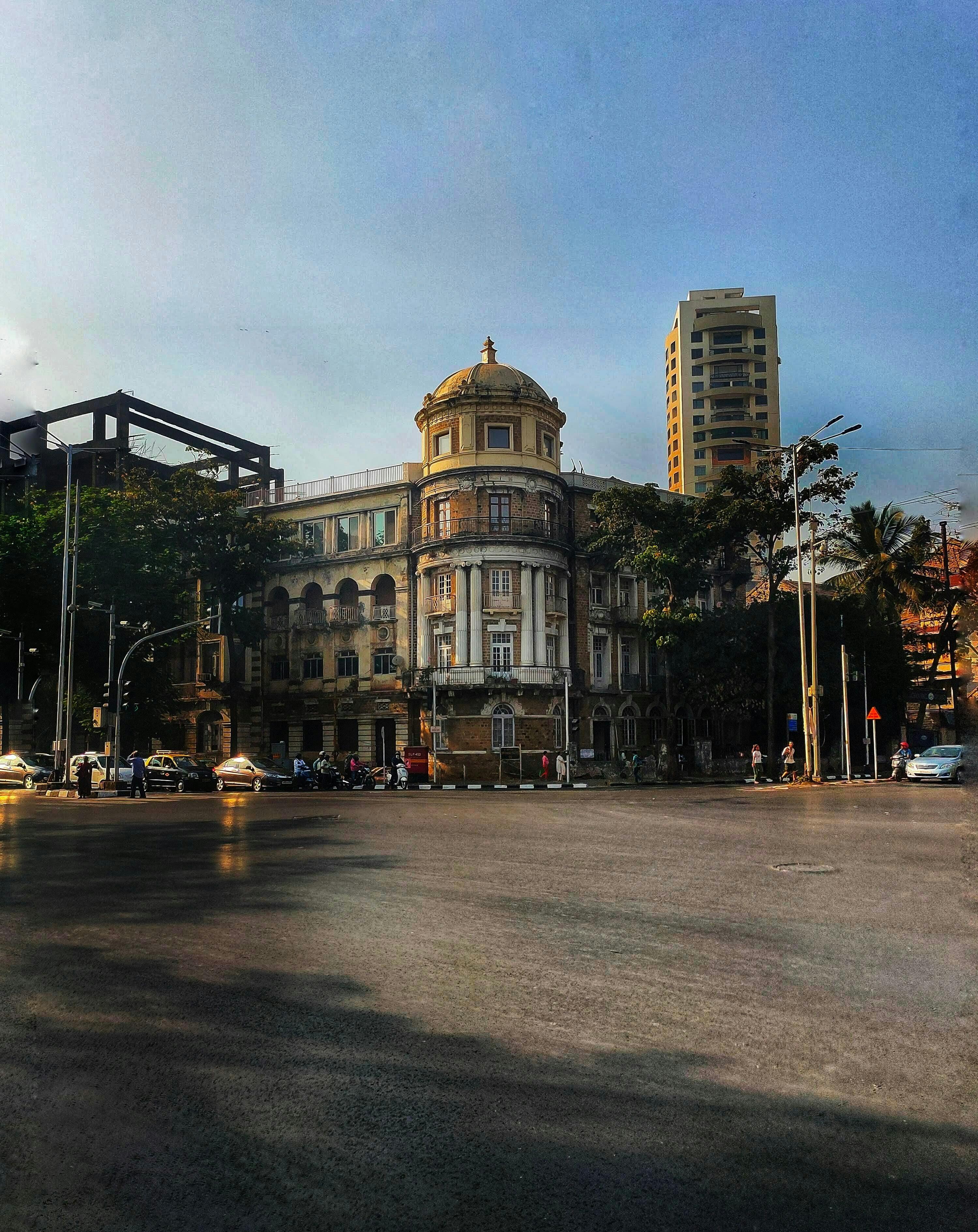
Hidden Gems in Mumbai: 5 Offbeat Places to Explore Beyond the Tourist Trail
Beyond the Gateway:Mumbai's Best-KeptSecrets
Mumbai is globally recognized for its soaring skyscrapers, bustling local trains, and iconic landmarks like the Gateway of India and MarineDrive. However, beneath its chaotic and commercial exterior lies a layered history waiting to be explored. For travelers and locals alike who want to step off the beaten path, the city offers extraordinary hidden gems—ranging from prehistoric geological formations to quiet heritage villages that feel suspended in time.
Gilbert Hill: A 66-Million-Year-Old Monolith
Tucked away in the busy suburb of Andheri is Gilbert Hill, a towering 200-foot (61-meter) monolith made entirely of black basalt rock. Formed roughly 66 million years ago during the Mesozoic Era when molten lava was squeezed out of the Earth's clefts, this rare columnar basalt structure is a remnant of the vast Deccan Traps. Recognized as a National Park in 1952 and a Grade II heritage structure in 2007, the hill offers a panoramic view of suburban Mumbai from its summit, which is home to the Gaodevi and Durgamata temples. The site recently garnered renewed public interest in early 2026 after industrialist Anand Mahindra highlighted its geological rarity on social media.
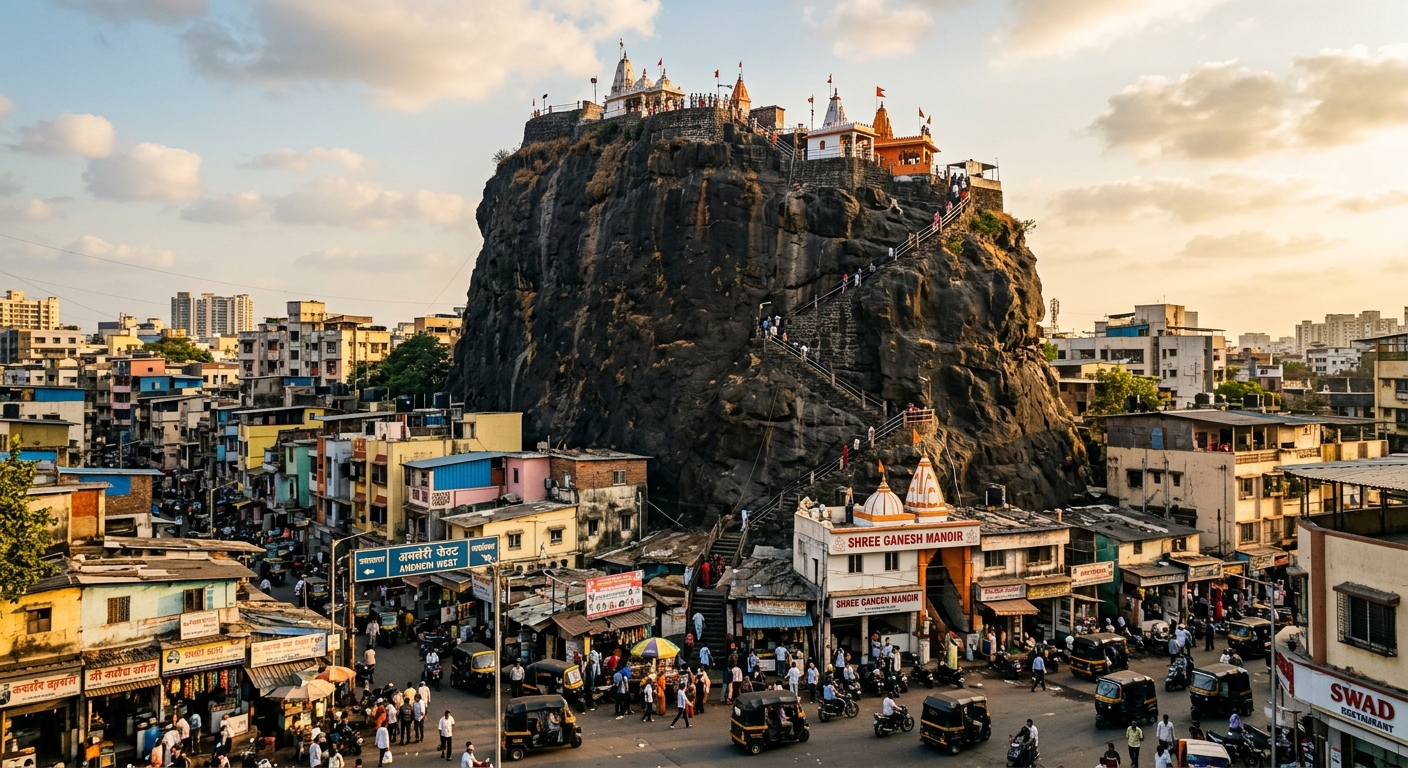
Formed roughly 66 million years ago, Gilbert Hill is a rare geological wonder hidden in the heart of Andheri.
Hasnabad Dargah: The Taj Mahal of Mumbai
Nestled among the crowded lanes and warehouses of Mazgaon—one of Mumbai's original seven islands—lies the Hasnabad Dargah, widely regarded as Mumbai's very own Taj Mahal. Built around 1884, this magnificent 19th-century mausoleum was constructed in memory of Shah Hasan Ali Shah, the first Aga Khan, who migrated to India from Iran. The structure is a masterpiece of Indo-Islamic architecture, featuring three bulbous white marble domes, four corner minarets, intricate floral inlay work, and stunning blue-and-white stone masonry. Illuminated after sunset, the Dargah offers a breathtakingly peaceful retreat from the city's relentless pace.
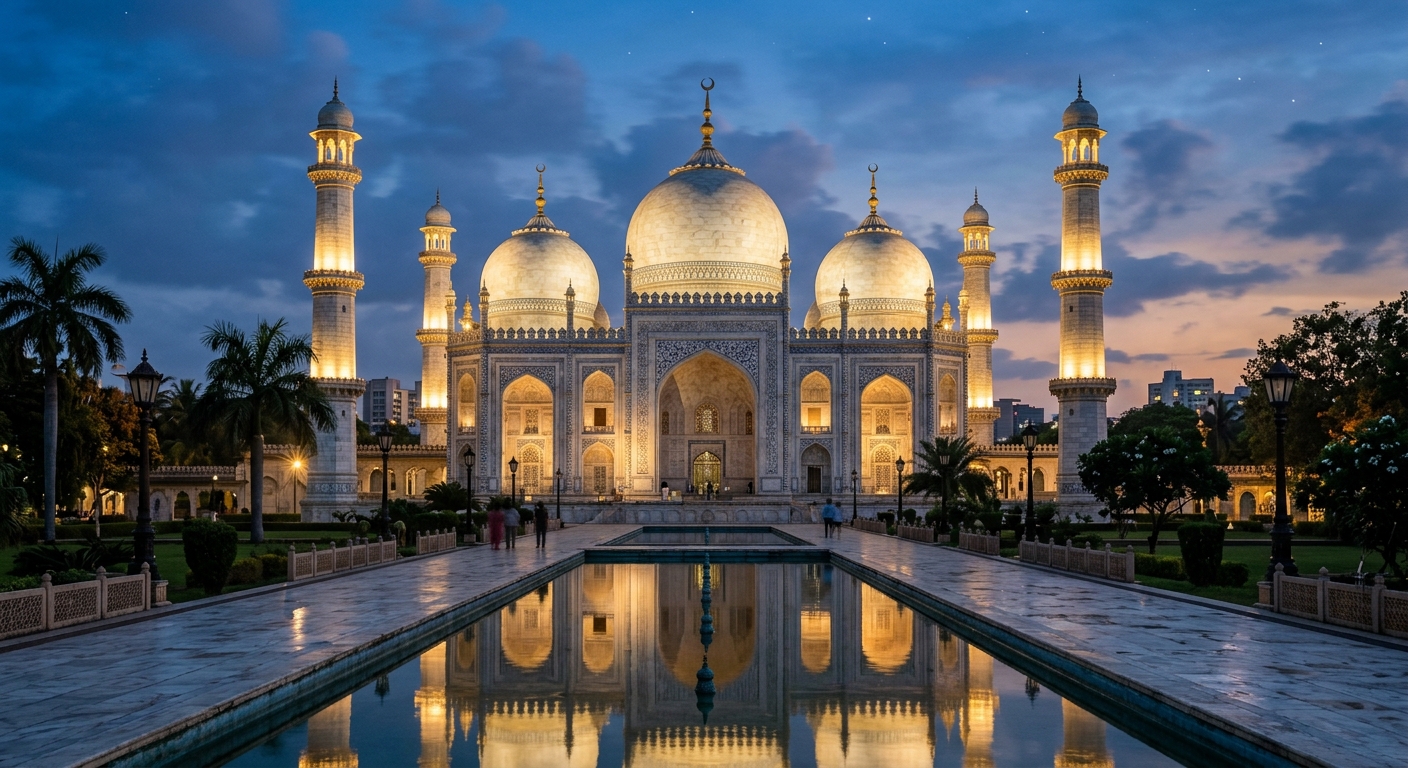
Hasnabad Dargah in Mazgaon is a stunning piece of Indo-Islamic architecture dedicated to the first Aga Khan.
Khotachiwadi: A Slice of Old Goa in Girgaon
To experience the charm of 18th-century Bombay, take a walk through Khotachiwadi in Girgaon. Founded on land owned by a Pathare Prabhu named Waman Hari Khot, this heritage village was eventually settled by East Indian families and Goan migrants. Fondly nicknamed 'Old Goa in Mumbai,' Khotachiwadi is characterized by its narrow lanes and traditional Portuguese-style, two-story wooden houses complete with open verandahs, courtyards, and external staircases. Although rapid urbanization has reduced the original 65 houses to around 28, the neighborhood remains a vibrant cultural enclave and a protected Grade III heritage precinct.
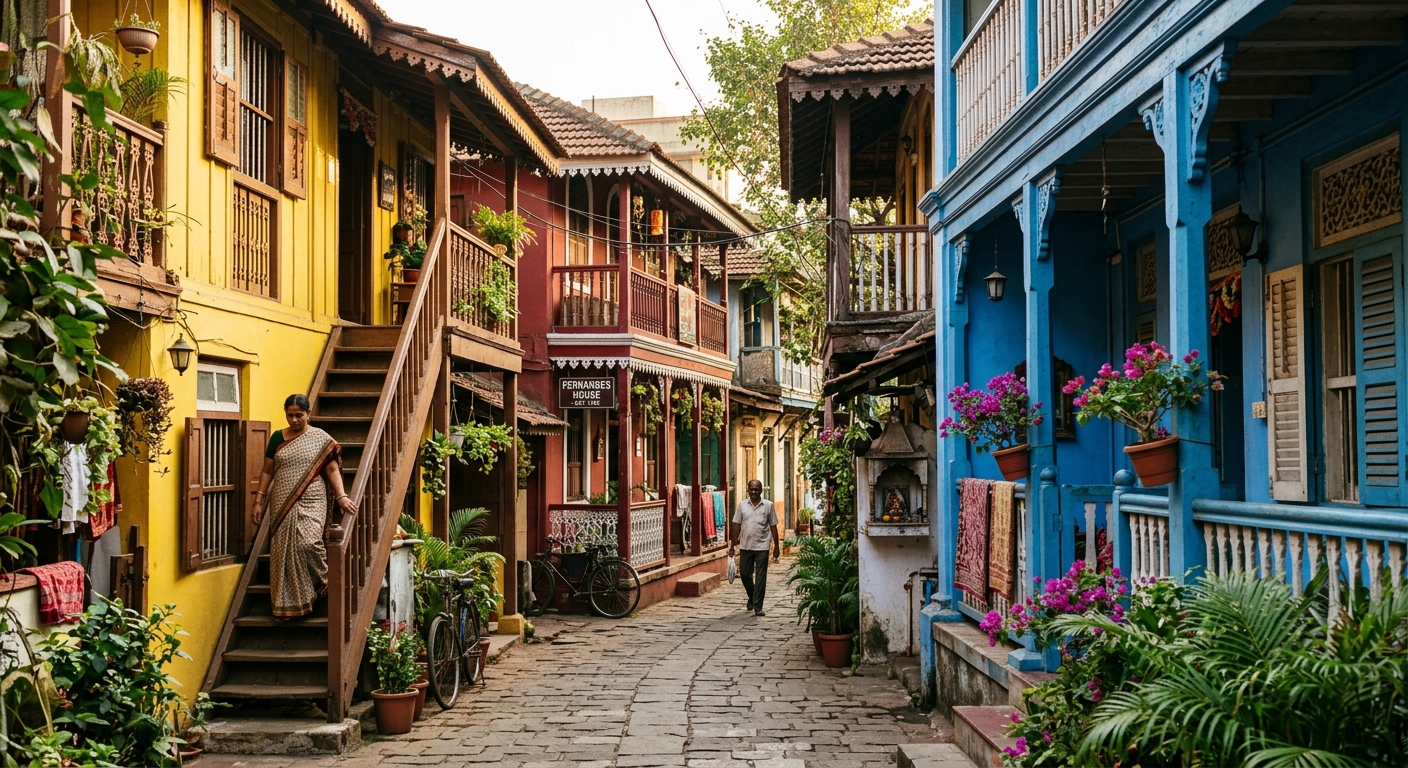
Khotachiwadi offers a peaceful escape with its historic Portuguese-style wooden homes and quiet, winding lanes.
Banganga Tank: A 12th-Century Spiritual Oasis
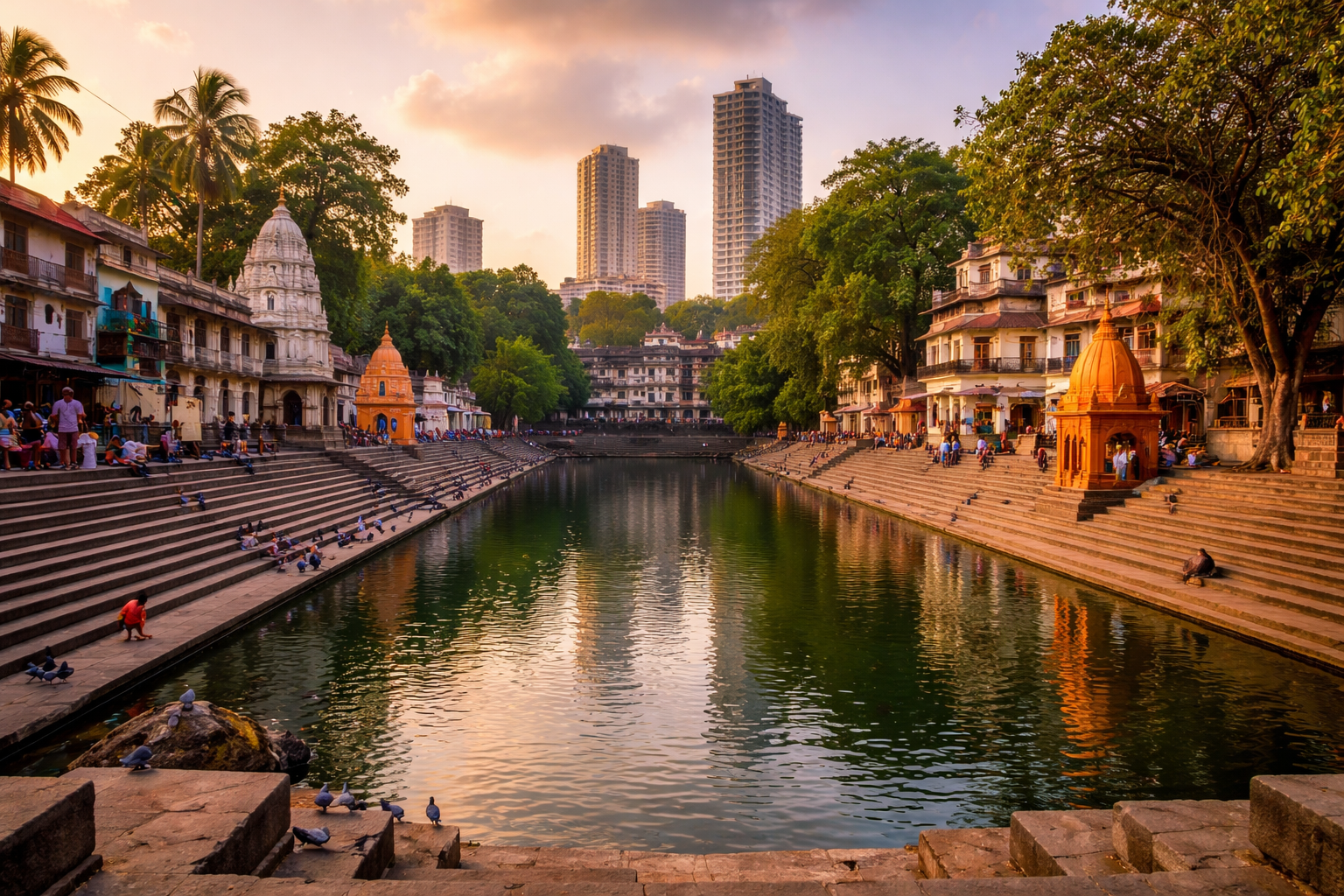
Hidden in the upscale neighborhood of Malabar Hill is the Banganga Tank, arguably the most mystical hidden gem in Mumbai. Dating back to the 12th century, this ancient water tank is surrounded by historic temples and pilgrim rest houses (dharamshalas). According to local legend, Lord Rama stopped at this very spot while searching for his wife Sita; to quench his thirst, he shot an arrow into the ground, bringing forth a tributary of the holy river Ganges. The ringing of temple bells and the tranquil waters create an atmosphere that feels centuries removed from the modern metropolis.
Sewri Flamingo Point: A Seasonal Pink Spectacle
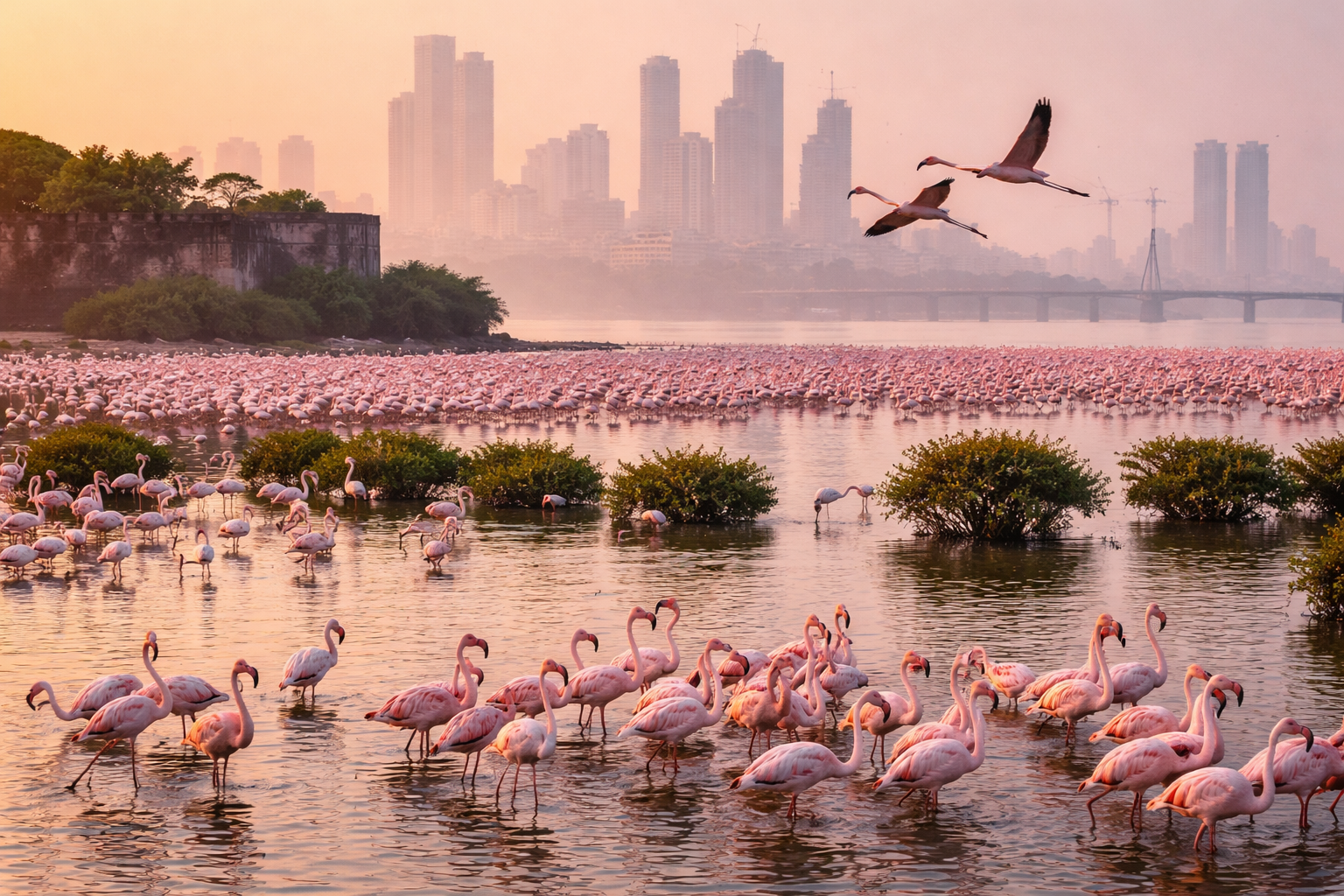
For wildlife enthusiasts, the Sewri Flamingo Point is a spectacular but lesser-known delight. Between November and May each year, thousands of lesser flamingos migrate to the sprawling mudflats along Mumbai's eastern shoreline, painting the landscape a brilliant pink. Framed by the historical Sewri Fort in the background, this ecological haven provides a striking contrast to the city's industrial docks and concrete skyline, highlighting Mumbai's surprising biodiversity.
Embrace the Unseen Mumbai
Mumbai's true character lies not just in its famous promenades or glitzy Bollywood studios, but in these quiet, resilient pockets of history. Whether you are marveling at a prehistoric volcanic rock, admiring a majestic Indo-Islamic mausoleum, or strolling through a Portuguese-style gaothan, exploring these hidden gems offers an authentic glimpse into the soul of India's most dynamic city. When visiting, remember to respect local communities and heritage structures to help preserve them for generations to come.
FAQs
What is considered the 'Taj Mahal of Mumbai'?
-The Hasnabad Dargah in Mazgaon is widely known as the Taj Mahal of Mumbai. Built in 1884, this beautiful blue-and-white stone mausoleum with white marble domes and minarets houses the tomb of Shah Hasan Ali Shah, the first Aga Khan.
How old is Gilbert Hill in Andheri?
-Gilbert Hill is approximately 66 million years old. It is a 200-foot-tall monolithic column of black basalt rock formed from cooling lava during the Mesozoic Era, around the time the dinosaurs went extinct.
Is Khotachiwadi open to the public?
-Yes, Khotachiwadi is a residential neighborhood in Girgaon, so its lanes are open to the public. Visitors are welcome to take walking tours to admire the 18th-century Portuguese-style houses, but should always respect the privacy of the local residents.
When is the best time to see flamingos in Mumbai?
-The best time to see flamingos at Sewri Flamingo Point is between November and May. During these months, thousands of migratory lesser flamingos gather in the mudflats along the eastern coastline.
Sources
Like this article? Share it with your friends


