

Ruma Devi: From Rawatsar to Global Ramp
Discover how Ruma Devi, a self-taught artisan from Rajasthan, transformed her life and empowered thousands of women through traditional crafts and global platforms.
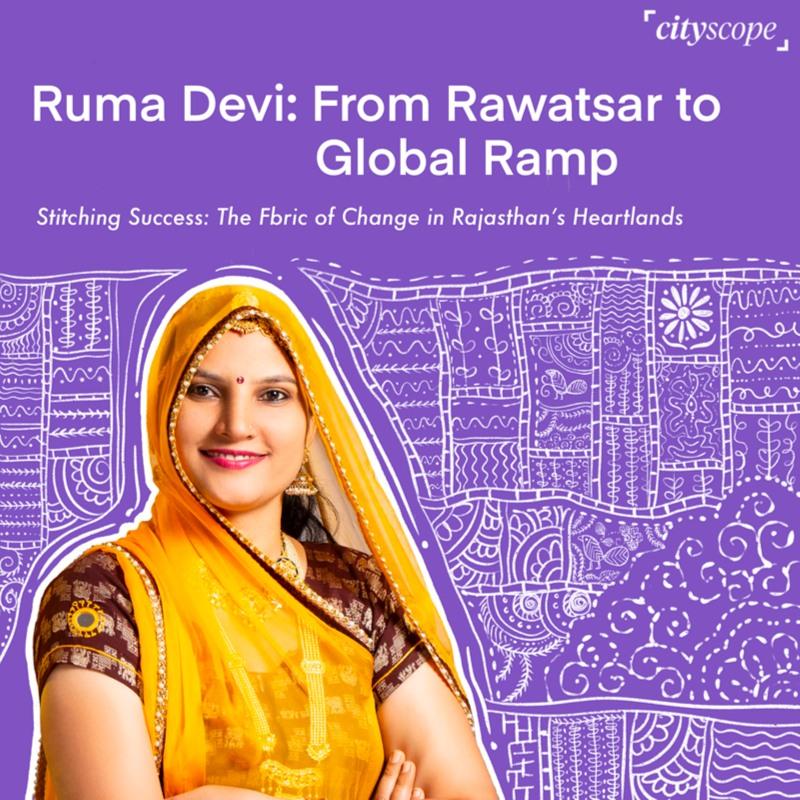
Stitching Success: The Fabric of Change in Rajasthan's Heartlands
"I never imagined I'd receive an award for my sewing," says Ruma Devi, who is now internationally recognized as a fashion designer. Her incredible journey from a small village in Rajasthan to becoming a renowned fashion designer and an inspiration to countless women is truly heartening. Born to a poor family in November 1988 in Rawatsar, a little village in the Barmer district of Rajasthan, Ruma faced significant challenges from the start. After losing her mother, Imarti Devi, at just five years old, she struggled to access even a basic education. Following her mother's death, her father, Khetaram, remarried. Ruma, the eldest among her seven sisters and one brother, found solace and strength living with her uncle and grandmother. It was her grandmother who introduced her to the art of sewing and embroidery. Despite facing numerous hurdles, Ruma's spirit remained indomitable.
From her early years, Ruma faced tough times living in a part of Rajasthan known for its lack of water. She remembers having to travel 10 kilometers by bullock cart just to get water, on top of doing household chores. Her family didn't have much money, which meant she could only go to school until the eighth grade at the village's government school. Following the traditions of her village, she was married at the age of 17 to Tikuram from Mangal Beri village in the Barmer district, on February 3, 2006. Even after getting married, life didn't get easier. Her new family also struggled financially since they were farmers with little money saved up. It was hard managing the household's expenses. Then, in 2008, a very sad event happened — Ruma had a baby, but because they didn't have enough money for proper care, the baby passed away after just two days. This heartbreaking moment was a turning point for Ruma. She decided she needed to do something to help her family, so she started working in 2008, marking the start of her career.
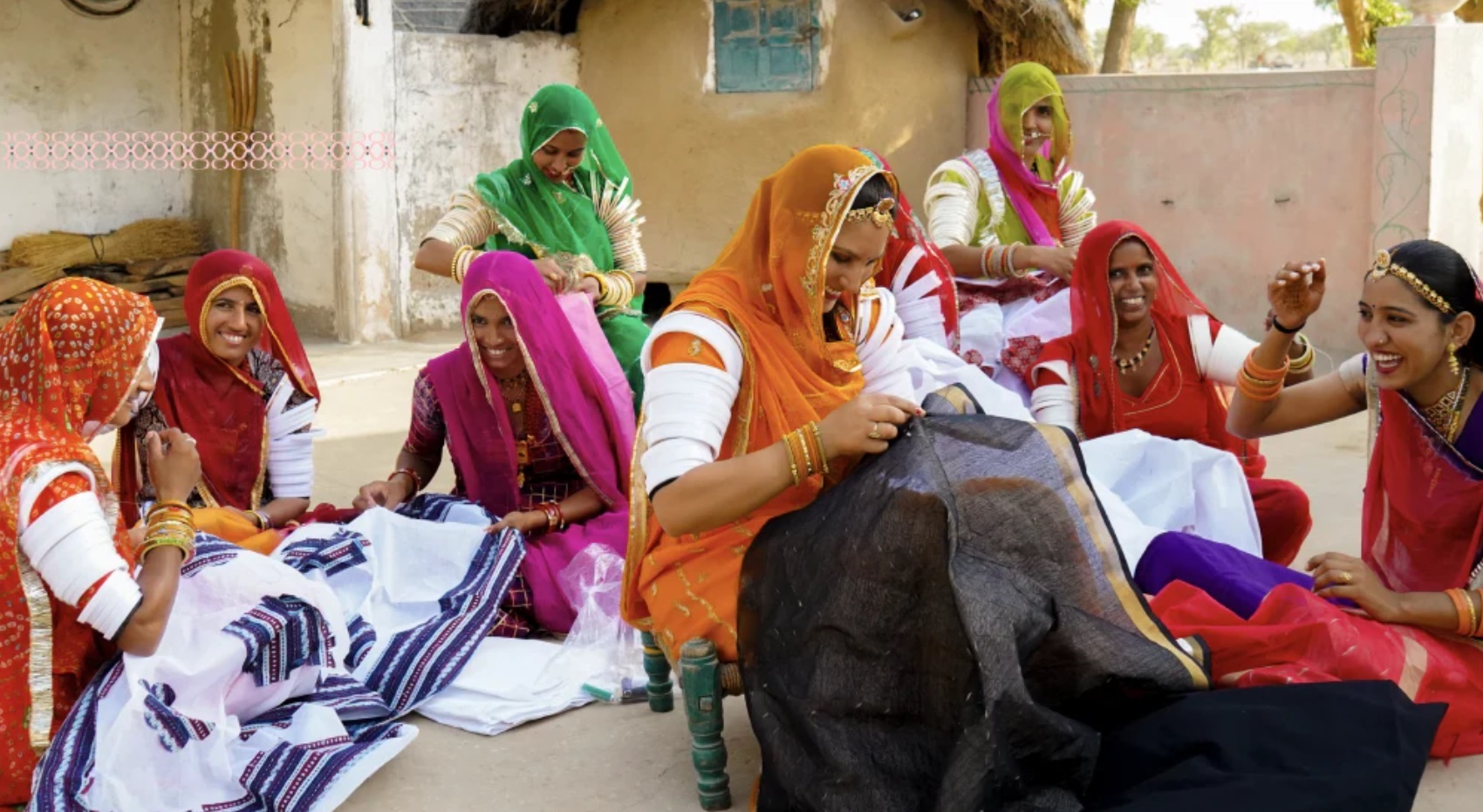
Ruma Devi began her journey by making small bags. Convincing even two other women from her village to join her was tough, as it was almost unheard of for women to leave their homes for work. Despite the challenges, the three of them started sewing together in 2008, focusing on making bags. They did the embroidery by hand, but needed a machine for the stitching part. Since they couldn't afford a new machine, Ruma brought together ten women from her village to create a self-help group. Each woman contributed about 100 rupees, and with this money, they bought a second-hand sewing machine. This allowed them to expand their work to include making cushions and bags. This effort was the start of Ruma Devi's path to becoming an independent business woman. By starting with just a few women and a used sewing machine, she slowly built a community of craftsmen, helping improve their lives and preserving the rich tradition of Rajasthan's textiles.
The big challenge was figuring out how to sell the items they made. Gradually, Ruma's business started to pick up as she looked for work from local store owners. Little by little, they started receiving orders. Ruma's method of selling their handmade products was just as creative as the items themselves. It was through seeking work that Ruma Devi connected with the Gramin Vikas Evam Chetna Sansthan in 2009, and soon after, she and the other women joined the organization. By 2010, Ruma was appointed as the president of the Gramin Vikas Evam Chetna Sansthan, showing how much her efforts were recognized and appreciated.
Ruma was determined to empower more women to be self-sufficient, but it wasn't a simple task. She encountered significant skepticism from her community, especially due to traditional views that discouraged women from working outside their homes. Attempts to meet women in their homes were often blocked by men who feared she would negatively influence them. Reflecting on her initial struggles, Ruma recalls, "When I first stepped out of my house without a veil, I faced criticism from neighbors and society. People questioned my abilities, saying, 'She has only studied up to the 8th grade, what can she possibly achieve?' They assumed I was aimlessly wandering, unaware of my intentions or direction."
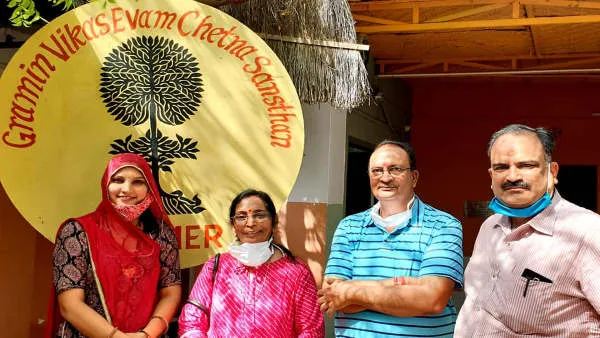
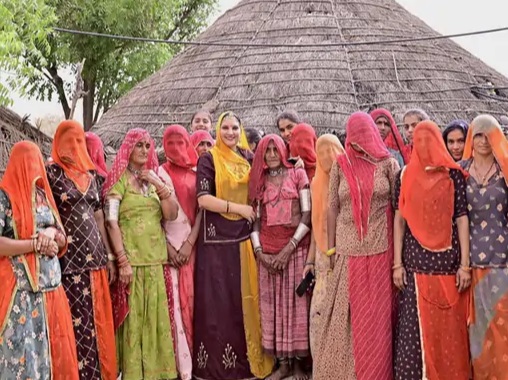
Despite the hurdles she faced, Ruma never gave up. Her strong will made people respect her determination. Gradually, more and more women began to work with her, and as they started making money from their efforts, the community's trust in Ruma Devi grew. She stayed determined throughout, and her hard work paid off by creating job opportunities for over 22,000 women across about 75 villages in the Barmer, Jaisalmer, and Bikaner districts, near the India-Pakistan border. This work helped these women become independent and earn respect from those around them. Over the last two years, she has also given out sewing machines to nearly 3,500 women, further supporting their journey towards self-reliance.
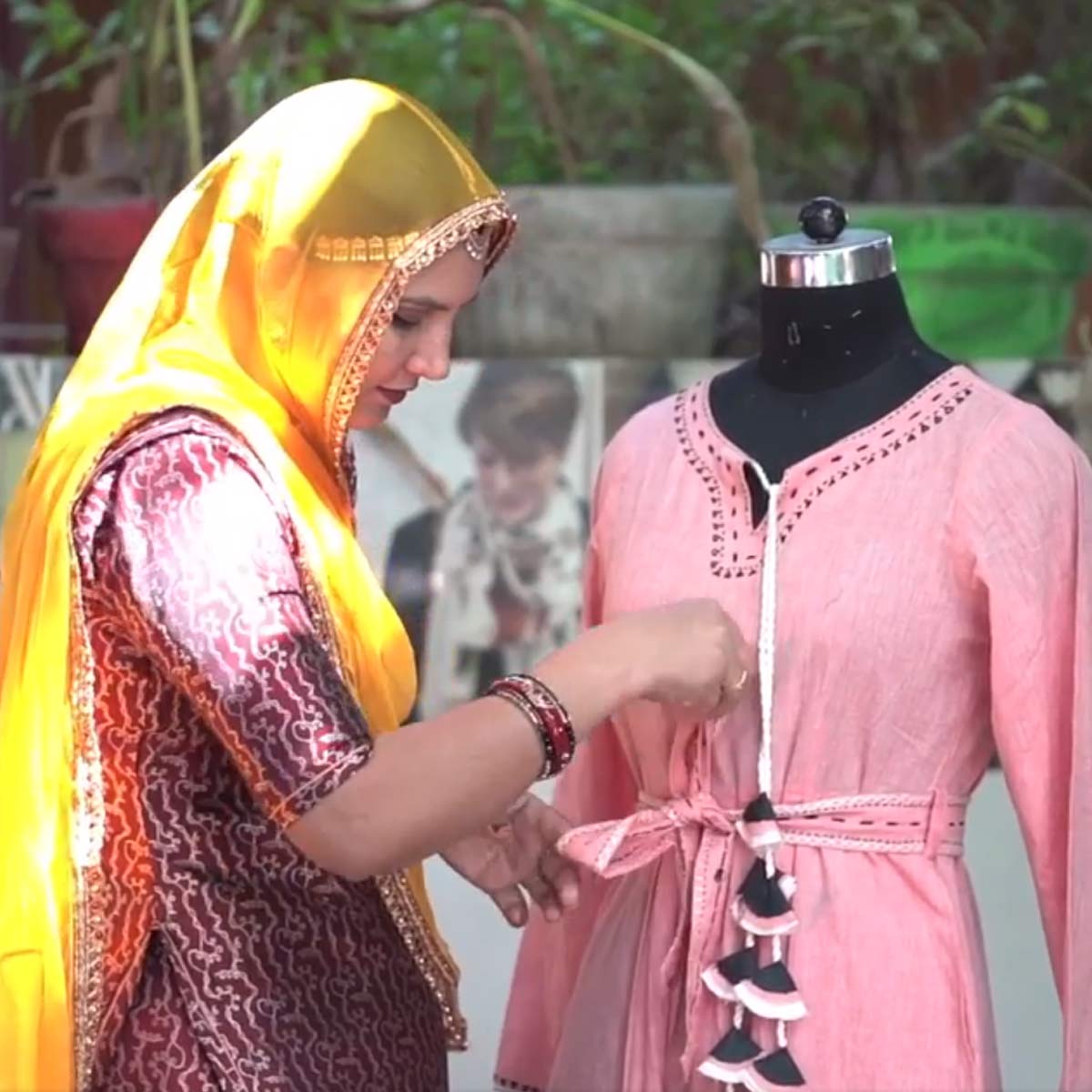
Ruma Devi does more than just fashion design; she is also the president of 'Gramin Vikas Chetna Sansthan,' where she helps rural women by giving them jobs and training. She has breathed new life into traditional embroidery and textiles. Now, the women working with her create items like home decor, sarees, bed sheets, scarves, and clothing in the districts of Barmer, Jaisalmer, and Bikaner.
Ruma Devi's big moment arrived in 2015 at the Rajasthan Heritage Week, where she had the chance to showcase her work. Her unique blend of traditional skills and modern fashion drew attention from the global fashion scene. Famous fashion designers Abraham & Thakore and well-known Indian designer Hemant Trivedi featured their models wearing Ruma's creations. This exposure brought Ruma and her team into the limelight, opening doors to the international fashion world. The following year, in 2016, five renowned designers reached out to her for their fashion shows, inviting her to design clothes based on her unique style. This opportunity led to her participating in famous fashion weeks around the world.
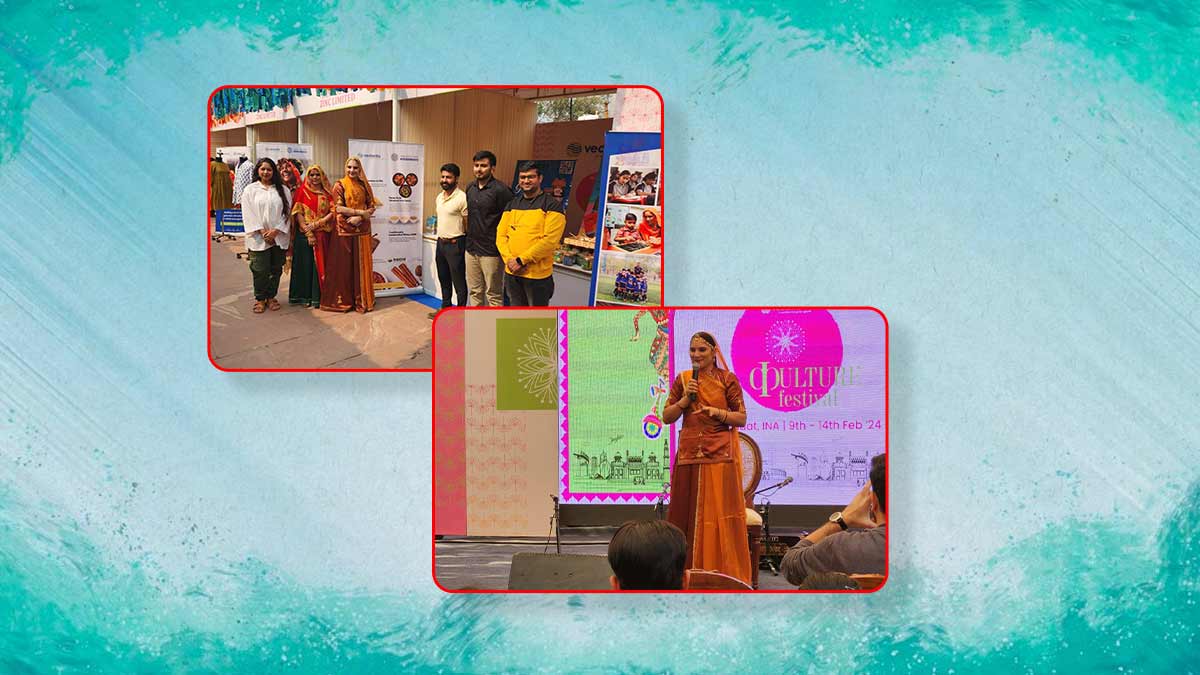
Ruma decided to take her work international, aiming to share Rajasthan's traditional sewing and embroidery with a wider audience. She specializes in creating Rajasthani handcrafted items like sarees, bed sheets, kurtas, and other garments. Her dedication has not only preserved these traditional crafts but has also introduced them to new markets around the world. The clothing brands she has developed are now recognized in various foreign countries. With Ruma at the helm, women from Rajasthan have showcased their work at fashion weeks in cities such as London, Germany, Thailand, Singapore, and Colombo, earning international acclaim for their designs.
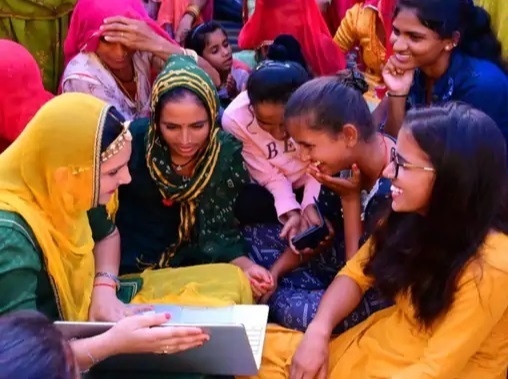
Ruma Devi founded the Ruma Devi Foundation to support women across India. The foundation is running a "Save the Daughter" campaign, where a village girl becomes a brand ambassador and gets a Rs. 20,000 fixed deposit under the Sukanya Samriddhi Yojana. The organization is also focused on helping girls get an education by providing scholarships of Rs. 25,000 to Rs. 75,000 a year to those who have dropped out of school. Moreover, it's building a big indoor stadium for girls in Barmer to encourage sports. The foundation is involved in promoting M-Folk music and improving digital literacy among village women. Ruma Devi mentions that 13,600 women have received basic digital education so far, with a goal to educate at least 20 women. The "She is Digital India" campaign, aimed at enhancing digital literacy in Rajasthan's rural areas, was launched in November in collaboration with the Gramin Vikas evam Chetna Sansthan of Barmer and the Maxoxo Group. By January 2024, they plan to provide basic digital training to 7,000 women.
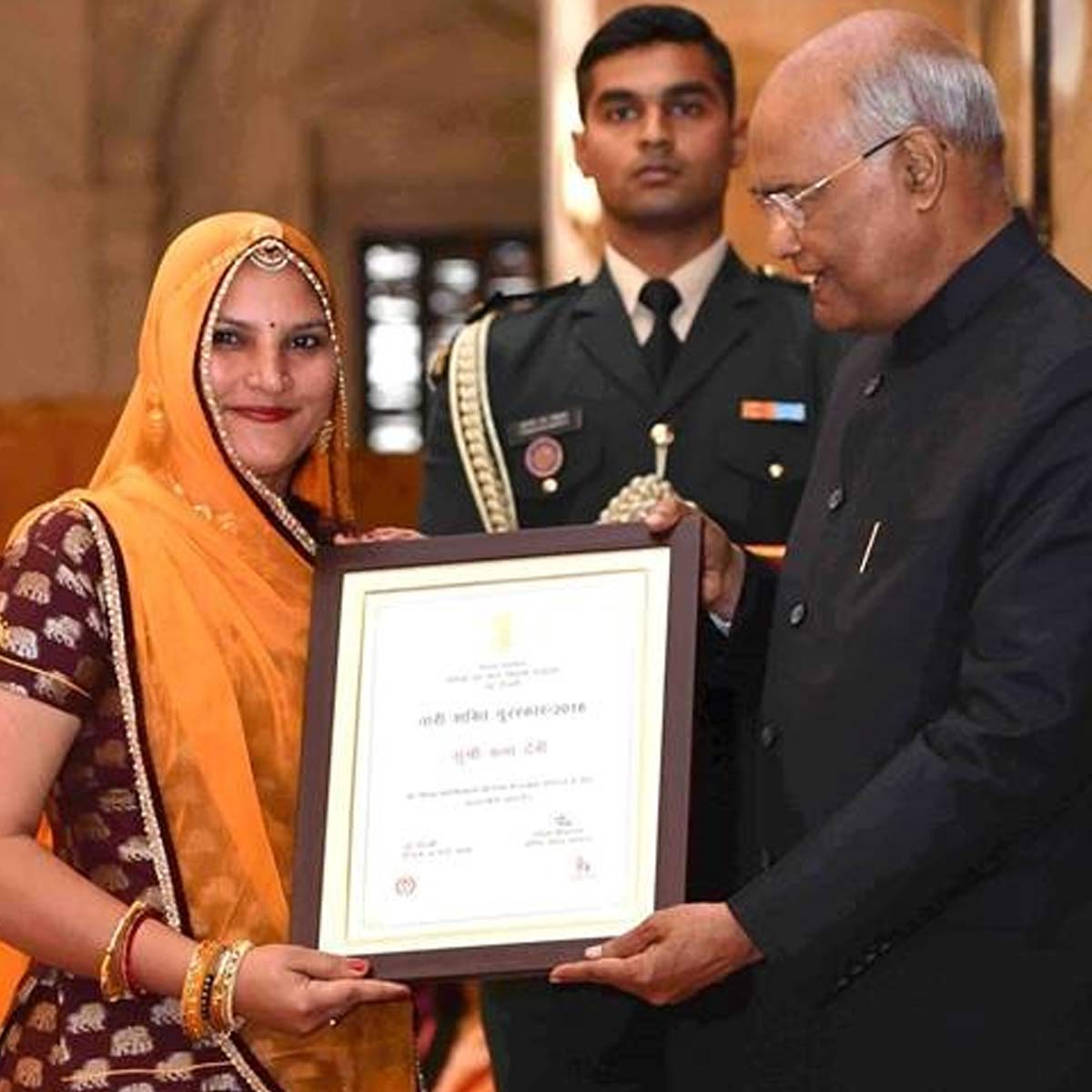
Today, Ruma Devi is an inspiration for thousands of women. She is a Fashion designer, Traditional handicraft artist and Social worker. Ruma Devi has received numerous awards for her work. Initially, she was recognized by the district collector, followed by an award from the Governor. In 2017, she earned the title of Designer of the Year, and in 2018, she was awarded for her contributions to Women Empowerment. Ruma Devi was also a speaker at the 17th annual conference of Mahatma Jyotiba Phule University. During 2016-2017, she attended the world's largest trade fair in Germany, an event with a participation fee of around 15 lakh rupees, but she and her team were invited at no cost. On February 15th and 16th, 2020, she participated in the Harvard India Conference in the United States, where she showcased her handicraft products and conducted a workshop for children at Harvard University. Additionally, Ruma Devi has been featured on 'Kaun Banega Crorepati,' a popular TV show hosted by Amitabh Bachchan. On a recent trip to Jaisalmer in Rajasthan, President Draupadi Murmu commended Ruma Devi for her role in enhancing the nation's prestige, both in India and overseas.
Recently, a book about Ruma Devi titled "The Art of Courage" has been published, authored by Nidhi Jain. This book tells the detailed story of Ruma Devi's challenges and achievements. Ruma Devi demonstrates what it means to be brave, creative, and community-focused through her actions and words. Her ongoing efforts to motivate and lead others showcase how traditional arts can gain worldwide attention and contribute to societal change.
Like this article? Share it with your friends


