


Assam’s pyramids: India’s next possible UNESCO World Heritage site
Assam's Charaideo Moidams is India's only entry to UNESCO as a World Heritage site in the cultural category in 2023-24. What are these structures and who were the Ahoms? By Shrutika Patil
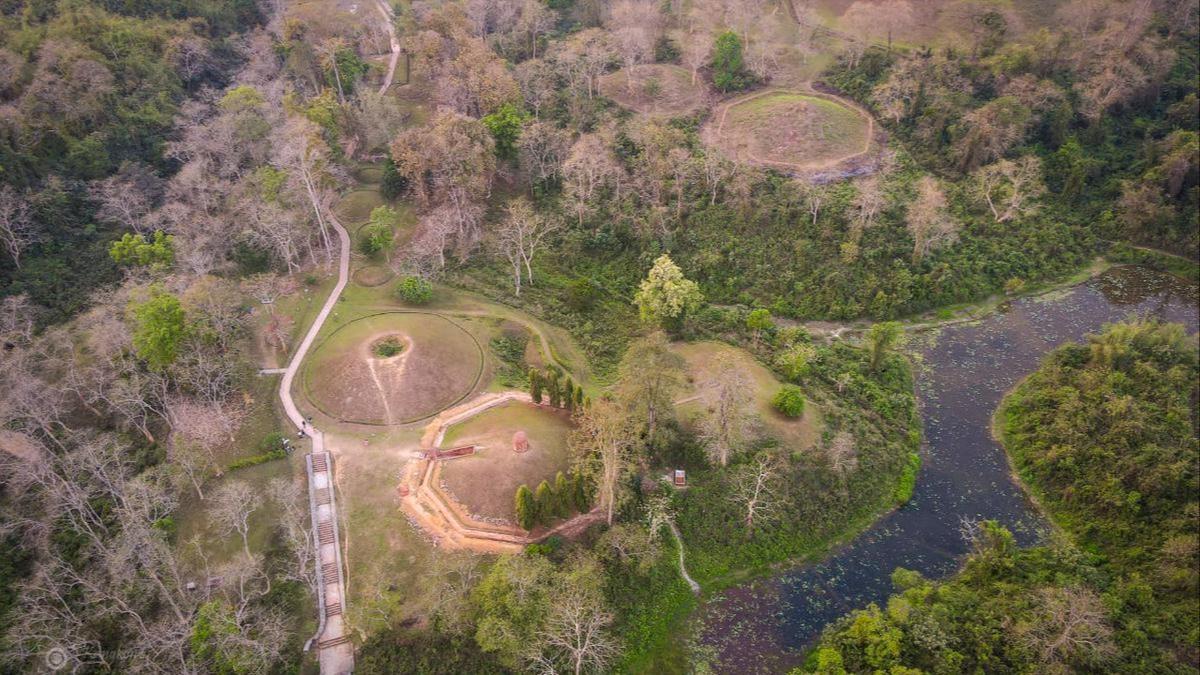
According to the Assam Chief Minister, out of the 52 potential sites across the nation proposed by other states, the Charaideo Moidams from Assam has been chosen as India's entry for UNESCO's World Heritage Site. A UNESCO team will tour the site in September, and it is expected to be designated a World Heritage site by March of next year.
Who were the Ahoms?
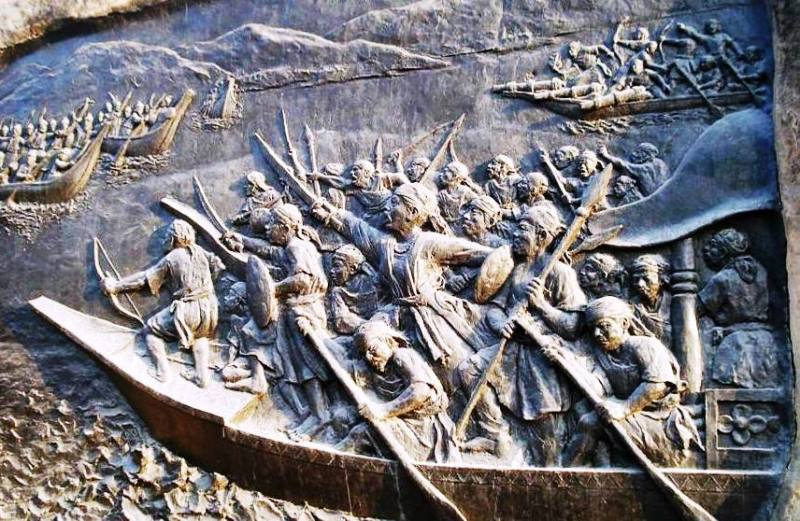
The Ahoms ruled over Assam from the 13th to the early 19th centuries CE. The Ahoms are traditionally members of the Great Tai group of peoples (Tai-yai). The Ahoms migrated from Mong-Mao (now Dehong Dai Jingpho autonomous province of China) around 1215 CE.
They entered the upper Assam region of the Brahmaputra Valley through the Patkai mountains, led by a Mao-Shan ruler named Chau-lung Sio-ka-pha. He founded the first Ahom capital at Che-Rai-Doi or Charaideo as the first monarch of the Ahom dynasty, also known as Chao-Pha or Swargadeo (Lord of the Heaven).
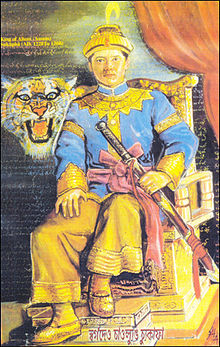
By the end of the 17th century, the Ahoms had extended their realm over the Brahmaputra Valley, defending against provincial powers such as the Mughals.
What are Moidams?
Ahoms brought in an array of secular and religious architectural activities throughout the course of 600 years, paving the way for the multi-ethnic Assamese culture to evolve. This burial mounds architecture is one of them.
Moidam translates literally to ancestors whose bodies have decayed because the first component 'moi' denotes something that rots and the second part 'dam' signifies the spirit of the dead.
The Ahoms buried their dead, and Moidams are burial mounds of Ahom kings, queens, and nobles. During the 600 years of dominance, the site became a venerated and sacred space.
According to UNESCO nomination, "Believing that their Kings were Gods on earth, the Tai Ahoms chose to bury the deceased Royals in Choraideo, the most sacred core of their Kingdom. The continuity of this funerary for over 600 years has manifested in creating an undulating landscape, reminiscent of the mountains of heaven and reflected the Tai Ahom belief in life, death, spirit, and the ‘other world’.”
The hemispherical mounds have vaults beneath them where the royals were buried beside wealth such as garments, ornaments, weaponry, and so on.
There is even mention of a large number of riches and attendants, both living and dead, being buried with the nobles. According to the Ahom chronicles, King Rudra Singha (1969 CE) prohibited the practice of burying alive.
Naturally being famous for its treasure trove, the moidams attracted plunderers from Mughals to Britishers.
Later, under the influence of Hinduism, the Ahoms began to cremate their dead, although no other funerary structures in India compare to Moidams in terms of style and reminiscent of their foreign origin.
Cover Image Source: The Hindu
Like this article? Share it with your friends


