


Vote from Home' : Empowering Elderly and Disabled Voters in Rajasthan
Rajasthan's 'Vote from Home' initiative enables voters over 80 and with disabilities over 40% to cast ballots from home, ensuring inclusive elections.
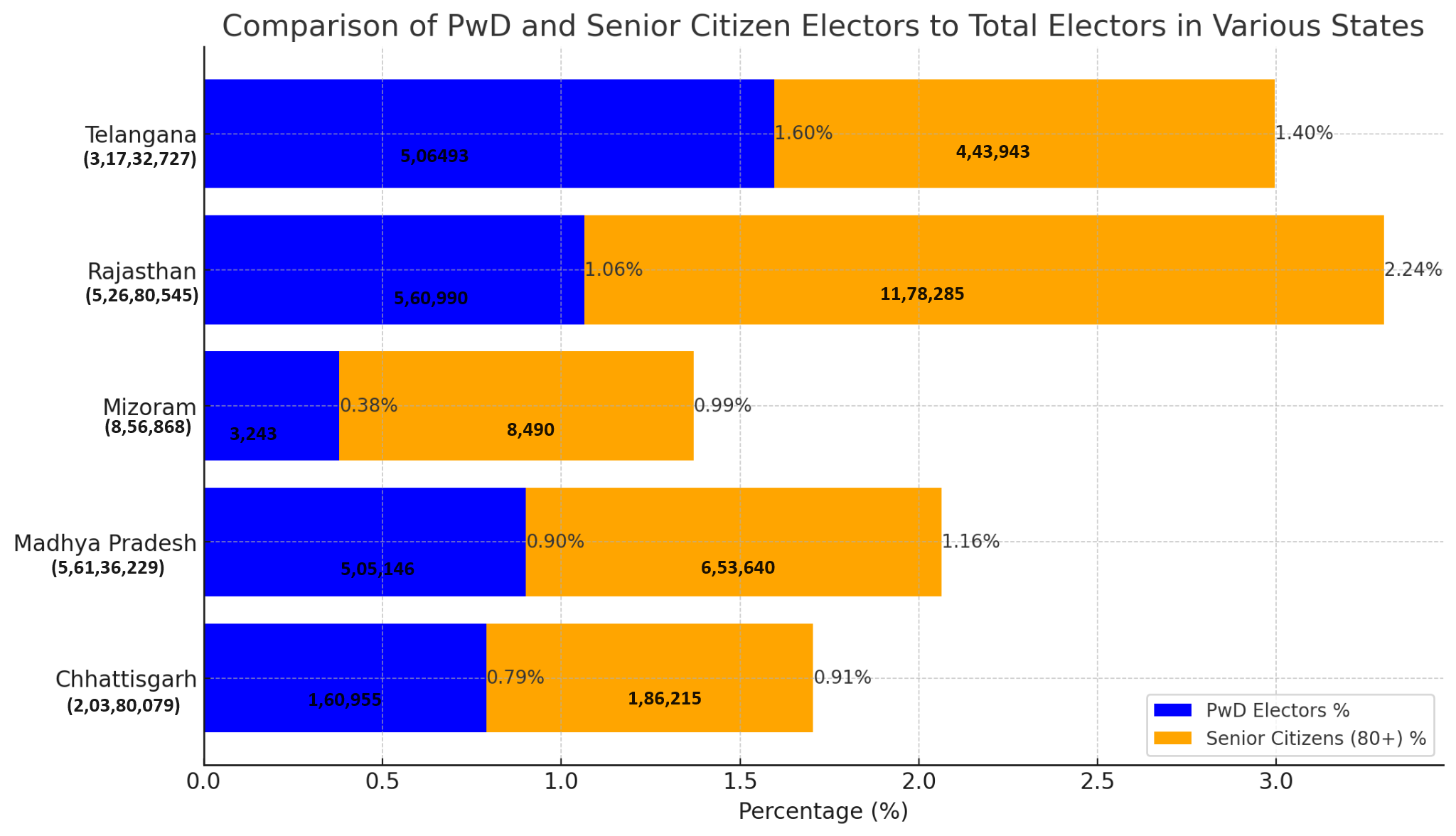
The Election Commission reports that in Rajasthan, the total number of voters aged over 80 and those with disabilities exceeding 40 percent amounts to 17,39,275, constituting 3.30 percent of the state's total voter population. Of these, approximately 3.61 percent, or 62,927 individuals, have registered for the 'Vote from Home' facility.
The Election Commission reports that in Rajasthan, the total number of voters aged over 80 and those with disabilities exceeding 40 percent amounts to 17,39,275, constituting 3.30 percent of the state's total voter population. Of these, approximately 3.61 percent, or 62,927 individuals, have registered for the 'Vote from Home' facility.
On October 9, 2023, the Chief Electoral Officer of Rajasthan, Praveen Gupta, made a significant announcement. For the first time in the state, the Election Commission will offer the facility of voting from home to eligible voters. This initiative is in accordance with the directives of the Election Commission of India and will be implemented during the 2023 Rajasthan Legislative Assembly General Elections. It is set to benefit 18.05 lakh eligible voters, providing them with an unprecedented level of convenience and accessibility in exercising their democratic rights.
What is 'Vote From Home’?
The 'Vote From Home' initiative offers a convenient voting solution for eligible individuals, allowing them to cast their ballots from the comfort of their homes. This innovative approach eliminates the need for booth-level officers to conduct door-to-door visits. Specifically designed to cater to the needs of senior citizens over the age of 80 and voters with disabilities exceeding 40%, this facility represents a significant step in making elections more accessible and inclusive.
A dedicated team of five individuals has been assigned to conduct the 'Vote From Home' process for elderly and disabled voters. These specialized polling teams will make visits to the residences of these voters, enabling them to cast their votes via secret postal ballots. In Jaipur, the team comprises a presiding officer, a polling officer (PO), a micro observer, a cameraman, and a security guard, all of whom work together to facilitate a smooth and secure voting experience for the elderly and disabled.
Mandatory through 12-D form
Home voting will be available as an option. To participate in the 'Vote From Home' program, eligible voters are required to complete and submit the 12-D form, which is provided by the Booth Level Officer (BLO). This form must be filled out within five days following the release of the election notification. The Returning Officer will compile and share a list of electors who have opted for the home voting option with all recognized political parties. The designated polling party will then facilitate the voting process for these electors using postal ballots, ensuring a seamless and inclusive electoral experience.
Two-Phase Voting Schedule from 9 AM to 5 PM
The 'Vote from Home' initiative was scheduled in two phases, operating from 9 AM to 5 PM each day. The primary phase of home voting, facilitated through postal ballots, took place from November 14 to 19. Following this, a re-polling session for absentee voters was conducted on November 20 and 21, adhering to the same daily schedule of 9 AM to 5 PM.
In Jaipur, the service has attracted 902 differently-abled and 6,328 elderly voters who have completed the 12-D form to participate. In Ajmer, 1,813 voters, including 1,326 aged above 80 and 487 with disabilities, have opted for home voting. Sikar district sees 2,678 senior citizens and 587 differently-abled voters choosing the facility. Udaipur district reports a total of 3,815 voters opting for it. Additionally, in Bhilwara district, 2,628 individuals, comprising 2,173 seniors and 455 persons with disabilities (divyangs), have registered for this voting option.
According to the report of the Election Commission, the inaugural day of the 'Vote from Home' initiative saw a remarkable turnout, with 12,342 elderly and disabled individuals casting their votes from the comfort of their homes. This tally included 9,687 senior citizens and 2,655 disabled voters, many of whom exercised their democratic right for the first time or after a significant hiatus. In a notable instance from Beawar, Ajmer, 37-year-old Siddharth Lohiya, living with a disability, participated in his first election. Similarly, 25-year-old Rabia from Hawa Mahal, Jaipur, who has been bedridden and unable to speak since childhood, also marked her voting debut.
In Jhunjhunu, 67-year-old Yakoob broke a 25-year voting gap, while Dinesh Kumar from Khanpur, Jhalawar, another disabled citizen, utilized the home voting facility for his inaugural vote. However, the scheme did face a setback as Kaluram Meena, a 100% disabled resident of Sawai Madhopur, reported being excluded from the home voting option.
Chief Electoral Officer Praveen Gupta said, "The initiative has been largely applauded by the elderly community." Notable participants included 107-year-old Saraswati from Chauth Ka Barwara, Sawai Madhopur; 102-year-old Bhuri Devi from Bhinmal; 98-year-old Khiyaram from Raniwara; 92-year-old Modaram from Jalore; and centenarians Hiralal from Khandar, and Ramkanya from Khedli. Shambhulal Sharma, 85, from Bikaner, expressed his appreciation for the Election Commission's innovative effort.
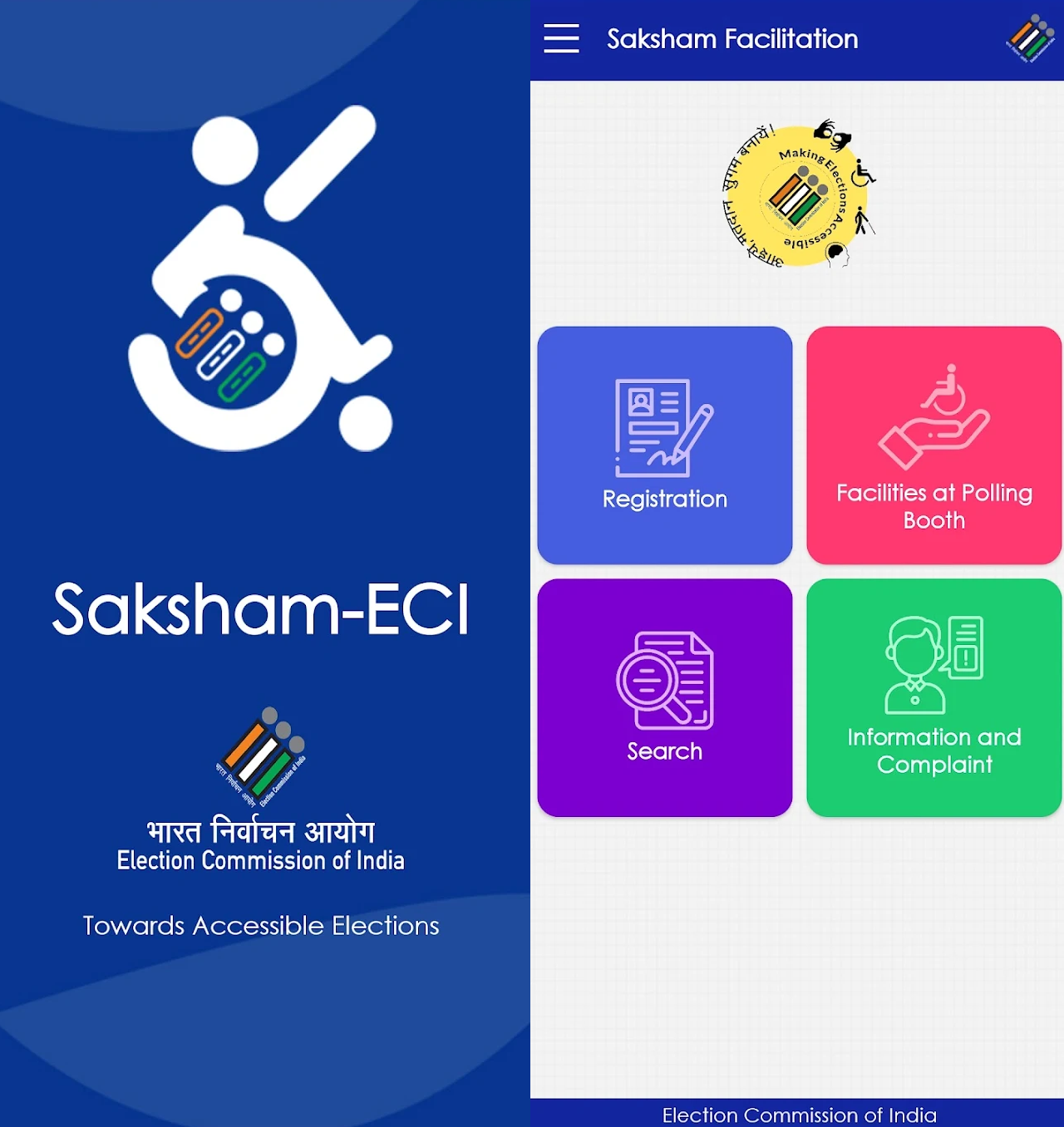
To support disabled voters, a dedicated mobile app and portal named 'Saksham' were also launched, enhancing accessibility for this important electoral process.
The Initiative
The Election Commission of India previously rolled out the 'Vote from Home' initiative during the Karnataka Assembly elections in May 2023. In this pioneering instance, a modest fraction of the eligible electorate, numbering 99,529 out of 17,86,763, opted for this facility. This group included 12,15,763 senior citizens over the age of 80 and approximately 5.71 lakh voters with disabilities. However, the genesis of this innovative voting method traces back to the 2022 Uttar Pradesh state elections. In this earlier adaptation, the facility was extended to voters aged over 80, those with physical challenges, and individuals recovering from COVID-19, marking a significant evolution in the approach to inclusive voting practices in India.
Importance of Vote from Home initiative in electoral politics
The rapidly aging demographic in India, particularly those aged 80 and above, is gaining significant socio-political importance. According to data technology company Noma Corporation, a striking surge in this age group is evident from the growth in their numbers from 1,960.75 thousand in 1971 to 13,284.27 thousand by 2020. The United Nations' 'India Ageing Report 2023' underscores this trend, revealing a pronounced increase in the elderly population since 2010. Projections suggest that by 2046, the elderly in India will outnumber the child population. From 2022 to 2050, while India's overall population is expected to rise by 18%, the elderly segment is forecasted to swell by an astonishing 134%. Notably, the cohort of individuals aged 80 and above is projected to experience a 279% growth in the same period.
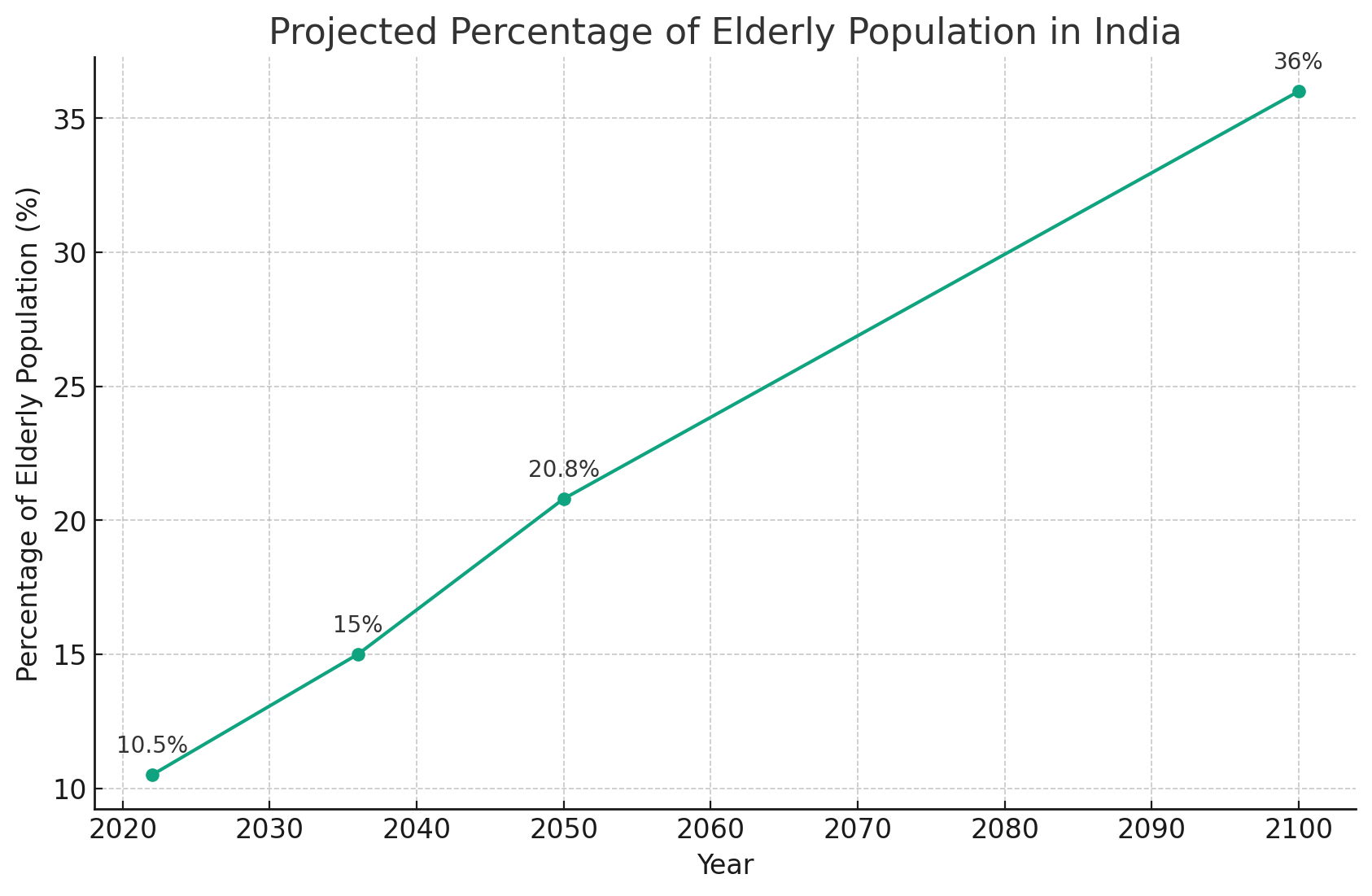
As of July 1, 2022, India's elderly population, defined as those aged 60 and above, stands at 14.9 crore, accounting for about 10.5% of the total population. This figure is anticipated to climb to 15% (around 22.7 crore) by 2036 and further to 20.8% (34.7 crore) by 2050, indicating that one in every five Indians will be elderly. By the century's end, the elderly are expected to constitute over 36% of the total population.
Previously, the concerns of the elderly were largely centered around pensions and healthcare. However, with their increasing numbers, they are now poised to exert considerable influence on government formation and policy-making, especially in the context of elections. Political parties, traditionally focusing on youth, business sectors, and specific classes, are now beginning to recalibrate their strategies to incorporate the interests and needs of the elderly.
In addition to the elderly, the disabled population in India, forming 2.21% of the total population (approximately 2.68 crore out of a 121 crore total), as per Unearth Insight report, is also a significant demographic, estimated to be around 3 crores. The Election Commission of India's recent initiative, which will be applied to all Assembly and Lok Sabha elections, aims to cater to these demographics. The impact of this initiative on the electoral process and its influence on the 2024 elections will be a key aspect to observe, marking a transformative phase in Indian electoral politics.
As India moves towards the 2024 elections, the impact of these demographic changes and the corresponding political adaptations will be crucial in shaping the future of the nation's governance and electoral processes. The Election Commission of India's 'Vote from Home' initiative may be a prime shift in political dialogues of national democracy for elderly and disabled people.
Like this article? Share it with your friends


