


Understanding GST Composition Scheme and Its Potential Misuse
The GST Composition Scheme simplifies tax compliance for small businesses. However, some misuse it by under declaring or issuing fake invoices, leading to tax evasion.
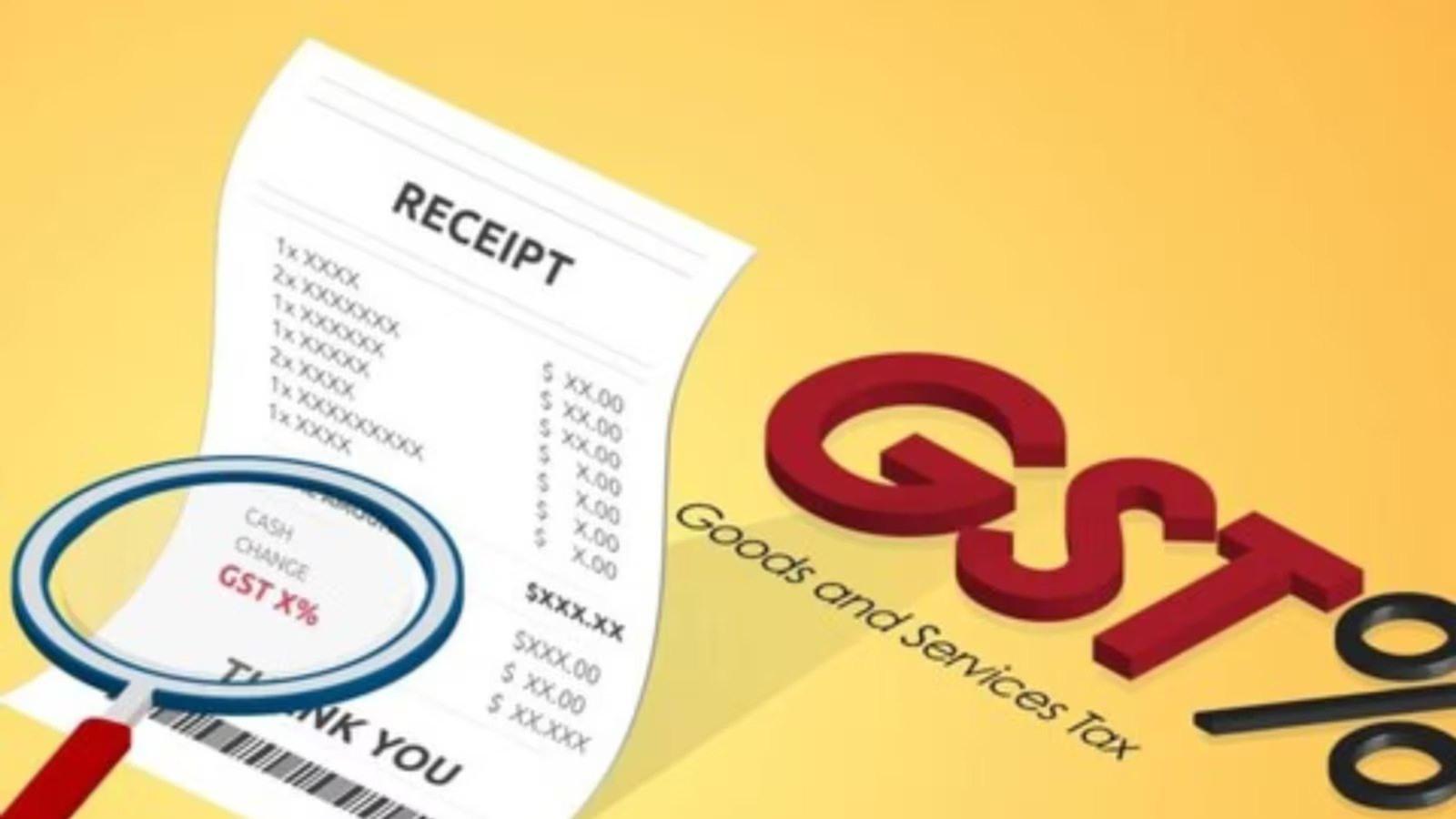
The GST Composition Scheme, introduced in July 2017 in India, is a simplified and easy scheme for small taxpayers. It allows them to eliminate complex VAT and service tax formalities and pay tax at a fixed rate based on their turnover. Under this scheme, any taxpayer with a turnover of less than Rs. 1.5 crore can opt to pay a reduced rate of GST.
Often as customers at a restaurant or an eatery, we glance at the bill only to cross-check the quantity and price of the items we ordered during our meals. It is not very common for one to check the entire bill including the GST number or the rate of GST added to the bill.
This way restaurants or businesses that have opted for the GST composition scheme take advantage of careless customers and tout them by adding GST to the bill.
What is GST Compensation Scheme
As described by Clear Tax, GST Composition Scheme is “Scheme is a simple and easy scheme under GST for taxpayers. Small taxpayers can get rid of tedious GST formalities and pay GST at a fixed rate of turnover. This scheme can be opted for by any taxpayer whose turnover is less than Rs. 1.5 crore”.
In the case of restaurants, those who have chosen the composition scheme pay a flat 5% GST rate and are not permitted to pass the tax burden onto their customers. This scheme was implemented to alleviate the tax burden on small-scale businesses and restaurants, ultimately benefiting their customers by reducing prices.
How is GST compensation being misused?
However, certain businesses, particularly restaurants, have yet to use the GST composition scheme. A report published by Indian CSR revealed that GST officials have uncovered fraudulent activities amounting to Rs. 55,575 crores in the past two years. Over 700 individuals have been detained for involvement in activities that harm the exchequer.
- Businesses that have a turnover lower than Rs 1 crore annually can avail of this scheme.
- Moreover, the following individuals and companies are ineligible to choose the composition scheme:
Producers of tobacco, pan masala, and ice cream
A business engaged in interstate supply
A supplier that has over the turnover threshold limit established for opting into the composition scheme, a casual taxable person, a non-resident taxable person, or a person involved in the supply of non-taxable products under the GST law
Companies that sell goods through an e-commerce operator
How to prevent yourself from getting scammed
Every restaurant/business that has opted for the scheme has to mention on the bill that the business has opted for the GST compensation scheme.
Chintan Zaveri, a Chartered Accountant specialising in tax told Cityscope, “One can log in to the GST portal https://www.gst.gov.in/. Click on ‘search taxpayer’ and search composition taxpayer. Then enter the GST number written on the restaurant bill and it will display whether the business is a composite payer or a normal GST payer. Remember not to pay the GST amount assessed on the bill if it is a composite pair. However, customers must pay the GST amount if the hotel falls under regular payer status.”
“If the restaurant/businesses have forcibly charged you GST on the bill, you can go to the GST council committee for redressal”, he added.
Cover Image: News18
Like this article? Share it with your friends


