


Rupee's Rise: From Dollar Dependency to Global Trade Leader
India's push for rupee-denominated trade settlements is reshaping global commerce, reducing dollar reliance, and enhancing geopolitical influence.
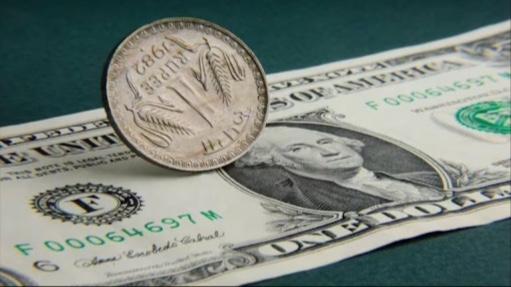
From the first mention of Rupya by Panini to now rupee taking over the International trade, the Indian rupee has come a long way and reshaped and revamped itself to be in the game.
Gone are the days when the Indian rupee was dependent on the US dollar for each of its transactions. The recent move by the Indian Government is the first step in reducing the dependence on dollars and establishing the Indian rupee as one of the top global currencies.
India introduced Rupee for international trade, and this move is to reduce the demand on dollars amidst the dollar crisis caused due to shortage of dollars in the international market.
RUPEE AS A SAVIOR FOR COUNTRIES
The Indian rupee now in International picture comes to the rescue of certain nations who are also running on forex reserves and finding it difficult to make payments in dollars in the midst of the dollar crisis.
This decision comes as a relief especially for countries like Sri Lanka, running low on forex exchange, Egypt, Bangladesh as they are facing a dollar shortage, and Russia, which cannot make payments due to sanctions imposed by the West.
The decision to make rupee as an international mode for transaction comes as India’s effort to strengthen itself in the Geopolitical arena.
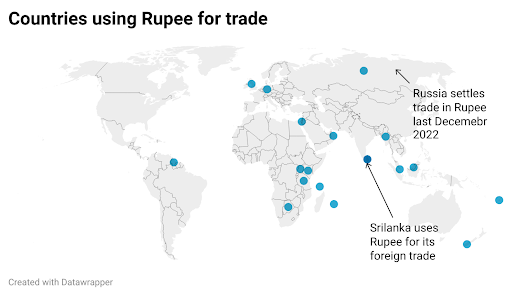
The world is adopting the rupee for international trade. Graph made by: Aishwarya Kumar, using datawrapper
HOW RUPEE IS TAKING OVER INTERNATIONAL MARKET?
A special account set up by RBI- Vostro and Nostro will be used by foreign dealers. A Vostro account is a foreign bank’s account with Indian rupee in India. Foreign exporters will be able to send and receive money using Vostro accounts. Nostro, on the other hand, refers to an Indian bank account in a foreign country with foreign currency.
This move by India is likely to reduce its dependence on dollars as the dominant currency for foreign transactions, says Anindya Banerjee, VP, currency and interest rate derivatives at Kotak Securities in an interview given to Business Insider. This move by India also helps in repositioning Indian currency and emerging as a key player in foreign exchange market.
WHAT PROBLEM DOES RUPEE SOLVE?
This problem not only helps countries that are facing shortage of dollars in their reserves but also cuts down the conversion expenses and losses caused by exchange rate fluctuation in the forex market.
For instance, when a Canadian buyer gets into a transaction with an Indian seller. The Canadian buyer will have to convert the Canadian dollar (CAD) to US Dollars (USD) first and then to Indian Rupee (INR). Both the buyer and seller pay money for converting into USD and also are bound by the existing exchange rate at the time of transaction. This is where settling trade in Indian Rupee comes into play as now the buyer can issue an invoice in INR using an Vostro account.
India has been trying internationalisation of Rupee from December 2022, as it closed its first settlement with Russia in Indian Rupee. Internationalisation of Rupee means that now, Indian residents and non-residents can use Indian rupee for its international transactions and also hold Indian Rupee as foreign reserves. This decision comes after a host of geopolitical tension, including sanctions on Russia and Iran by the West barring them from making payments through SWIFT and depreciating Indian currency. This move is likely to reduce dependency on dollars and increase Indian exports in the global market.
ANY CHALLENGES?
This move by RBI, however has its challenges, the major challenge being the higher risk of exchange rate volatility as mentioned by, M Rajeshwar Rao, Deputy Governor of Reserve Bank of India.
Volatility is the frequency in which a currency value in the international market. A highly volatile currency would mean the currency is highly prone to risks and shocks in the economy and international market, hence being a risky reserve choice.
A higher rate would bring down international trade and with subsequent risks and transaction risks, the effect of higher rate of volatility would affect developing and underdeveloped nations due to lack of access to instruments like forward and open contracts to hedge against any volatility shocks.
Cover image: MoneyControl
Like this article? Share it with your friends


