


India’s Cycling Culture: The Rise of Cycling Across the Country
Explore India’s growing love for cycling, from its rich history to the current cycling culture. Discover how cycling is shaping cities and communities across the country.

On 3 June, 2018, the UN General Assembly decided to acknowledge the simple, yet versatile, pedal driven vehicle - the bicycle.
Over the years, bicycles have served as an affordable and reliable means of transportation for people across the globe. In the late 19th century, bicycles were mainly used by the rich and elite, but, as soon as mass production kicked off, they became a common mode of conveyance.
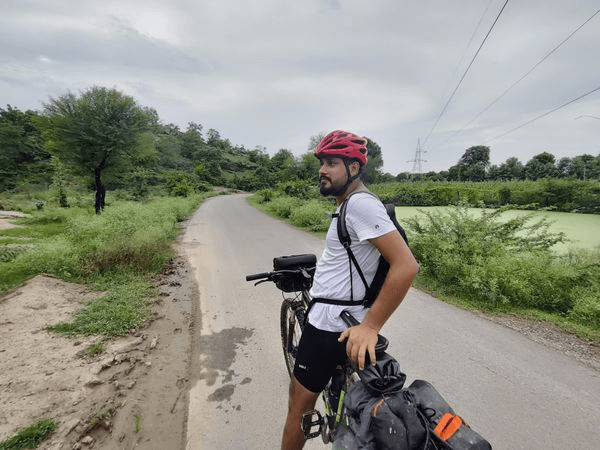

Image credit: Nikhil Parnami
In 1983, the country’s largest bicycle manufacturer, The Hero Group (Now: Hero MotoCorp) entered a joint venture (JV) with the Japanese motorcycle giant, Honda. And, by the late 90s Hero Honda was all set to become the largest producer of motorcycles in the world.
While this successful corporate endeavour was seen as a milestone, many other business entities began flooding the market. Avon, Hercules, Firefox and BSA are some of them.
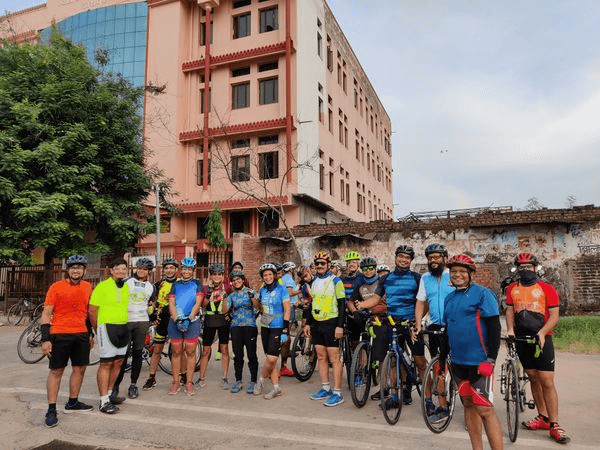

Image Credit: Bikepacking India
Though the number of individuals using bicycles was low, they stood the test of time. And, they continued to be one of the most clean, healthy and environmentally sustainable means of transport around the globe.
What has changed after COVID-19?
The rising consciousness towards sustainable and wholesome living as well as the incentive of being cost-effective is driving people to opt for bicycles, especially if they have to cover short distances. Increasing levels of awareness and better disposable incomes is also contributing to this trend.
According to a report by the All India Bicycle Manufacturers Association (AICMA), more than 41 lakh bicycles were sold in India between May to September 2020 amidst the COVID-19 pandemic.
Today, cycling is largely being viewed as a way to keep fit. Well, it was in the year 2010, that a slew of people began participating in cycling marathons and fitness drives. From students, working professionals, homemakers to business magnates - all of them started to develop a fetish for the human-powered vehicle.
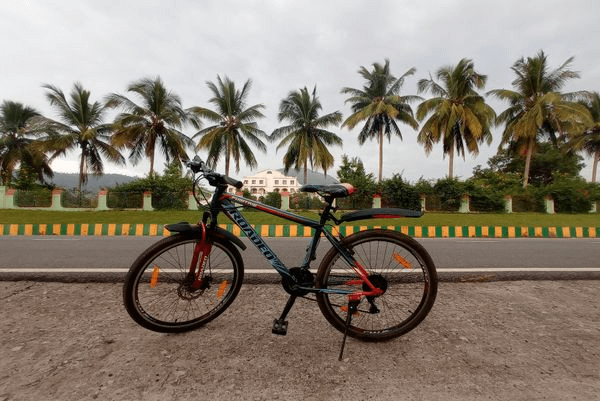

Image credit: Madhav Karunya, Unsplash
This laid the foundation for what people may call the cycling renaissance of India.
After the outbreak of the pandemic in 2020, the bicycle industry saw a huge surge in sales. Social distancing norms, constant lockdowns, remote work and congestion-free roads, pushed individuals to cycle more, both for leisure and physical strength.
But, the big question is, once motor vehicles are allowed to ply on the streets again, will the craze die down?
The author Nikhil Parnami leads cycling tours for tourists visiting Rajasthan and runs a bicycle advocacy organization called Bikepacking India. All views are personal.
Some resources and links to help you learn more about cycling in India:
World Bicycle Day: Why switching to e-cycles can be beneficial
New-found craze for cycling leads to acute shortage of premium bikes, even as sales jump 250%
Like this article? Share it with your friends


