


Exploring Saura Art: Odisha's Tribal Mural Tradition
Explore Saura art from Odisha—its unique fishnet style, spiritual themes, and cultural significance. Uncover the rich heritage of this tribal masterpiece.
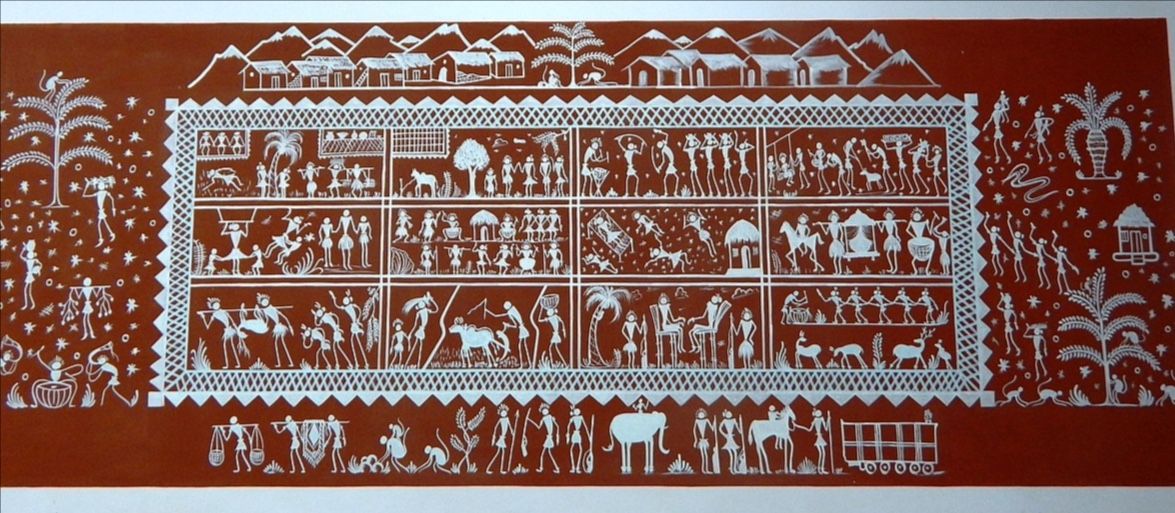
For almost every human society, art has always been a medium of expression. India peculiarly is home to many indigenous communities and one of the by-products of diversity is rich cultural practices.
One such artistic expression is practiced by an ancient Munda tribe in Orissa, namely Saura. The word ‘Sora’ is derived from ‘So’ (hidden) and ‘Ara’ (trees), or in other words, people who have been living in the forest.
For an untrained eye, Saura Art could look similar to the widely-known Warli Paintings of Maharashtra (Refer to the image). Although the similarities end at the triangular figures and the hope to be seen and co-exist.
It is believed that both the forms of paintings along with the Chittara paintings from Karnataka share similar stylistic characteristics as they trace their ancestry back to the original inhabitants of Bhimbetka caves (and the renowned cave paintings).
God is in the details
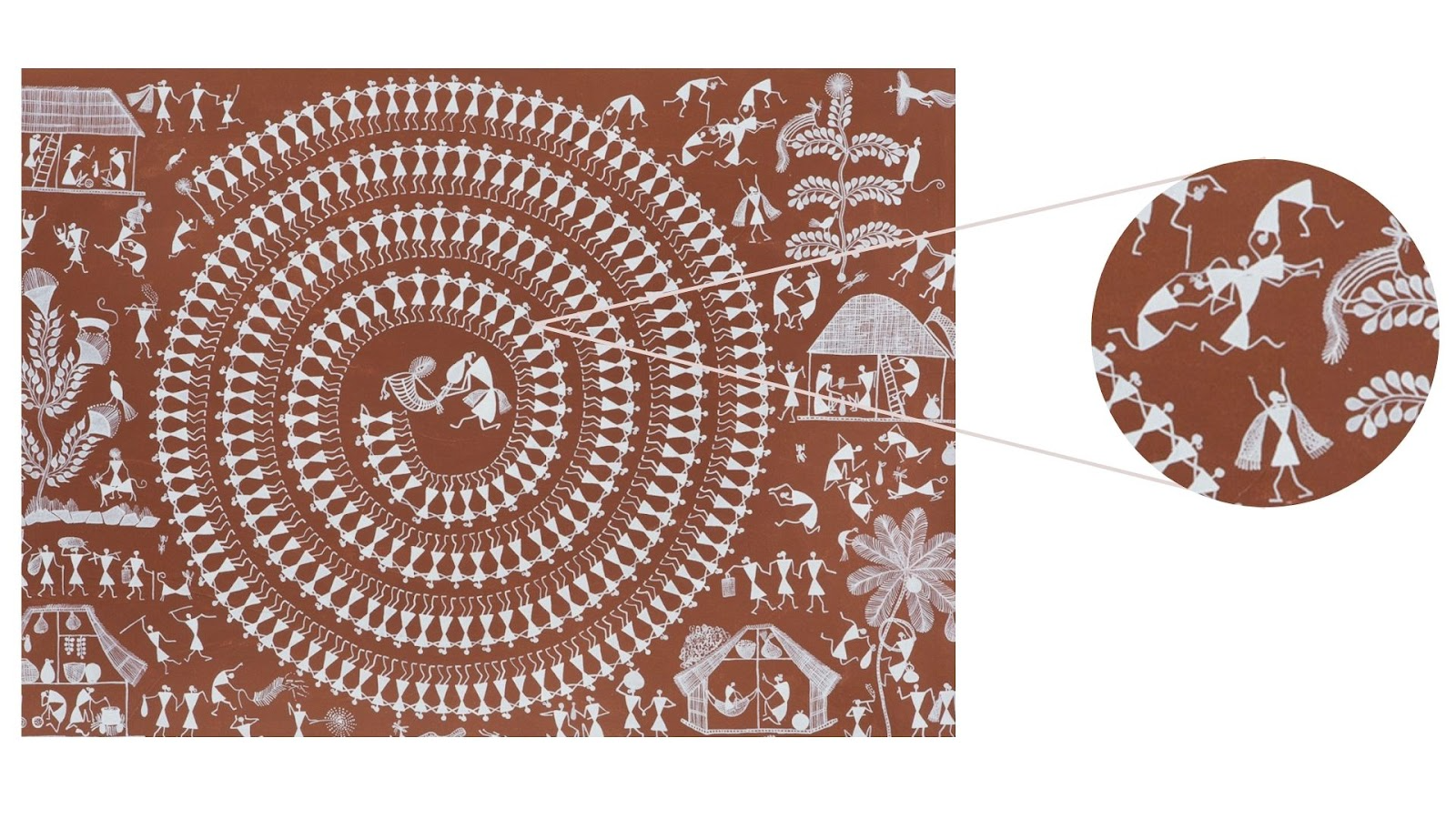
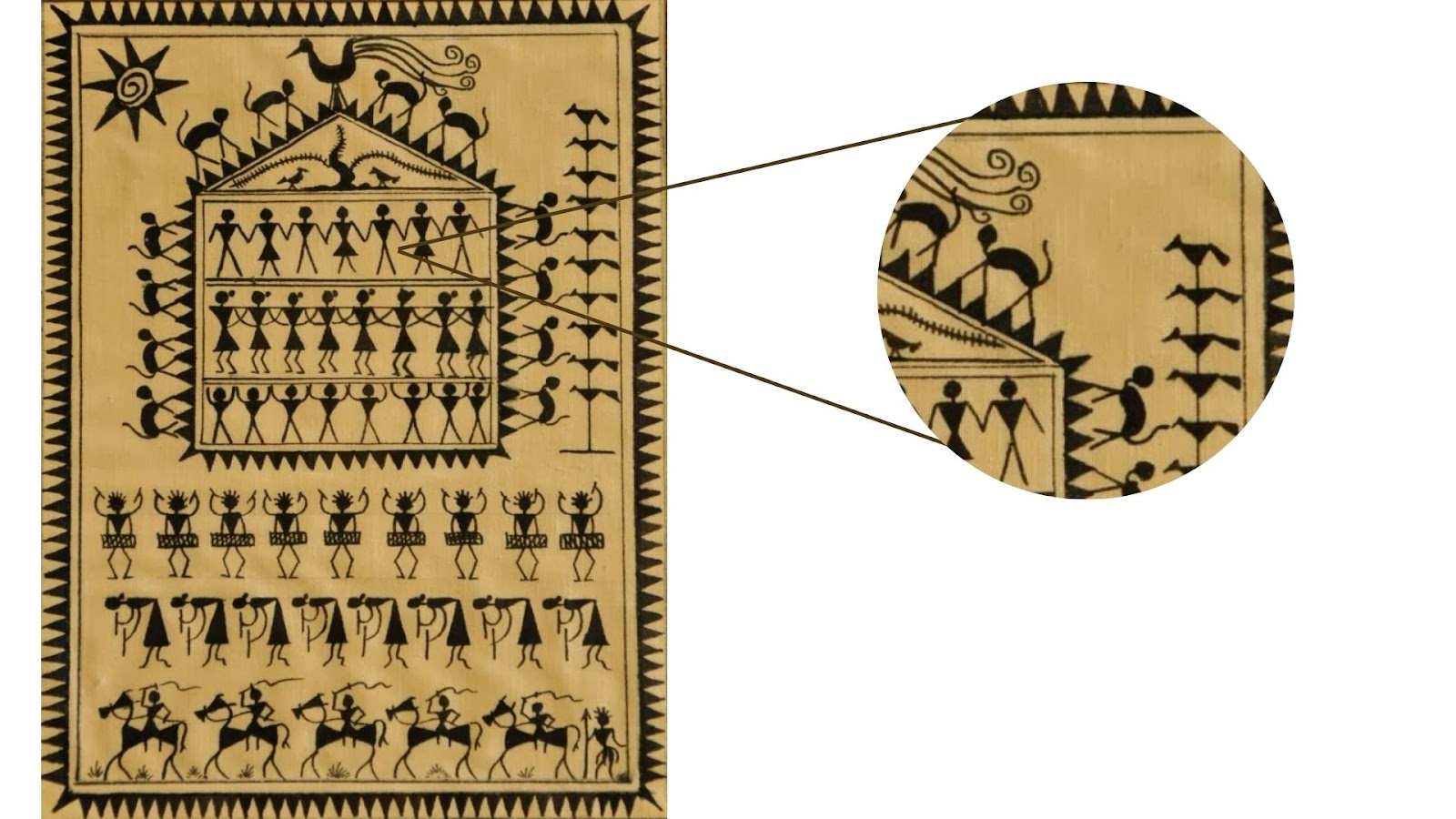
It is the features and style in both the art forms that sets the difference between Warli and Saura Art and the distinction begins right from the base materials used.
Traditional Warli art uses a base of ground rice in its white paint, while traditional Saura art uses a base of ground seashells for its paint.
Saura paintings have a unique fish-net approach, wherein the borders of the painting are drawn first, following the figures inwards.
As with Warli artists, Saura artists draw triangle bodies with round or oval heads, stick-like arms, and legs. Saura figures do not have necks, while the animals have triangular to rectangular shapes with skeletal heads.
Characters in Warli paintings are stretched out on a two-dimensional plane, but human and animal figures are packed together within the canvas frame in Saura's paintings. Saura painters, unlike Warli artists, do not distinguish between males and women.
Symbolistic core
It was always a tradition of Warli paintings to depict nature and everyday life activities, whereas Saura paintings have references to Ramayana, Mahabharata, and several religious themes and purposes.
The community’s religious customs are deeply rooted in this creative style. The artworks include ‘ikons’ that feature the tribe’s god, the ‘Idital’ or ‘Edital’. The purpose behind these paintings is to please and appease the gods to protect their families from damage and illness.
A dying expression
Since ancient times, these intricate drawings have played a significant role in tribal life. However, as more tribal members converted to Christianity, they started giving up ancient traditions.
Bishnu Prasad, a self-taught Saura artist remarks, "Today, their once common wall paintings have all but vanished." Prasad has been passionate about art since he was a young kid, and he now wants to share his interpretations of Saura art with the world.
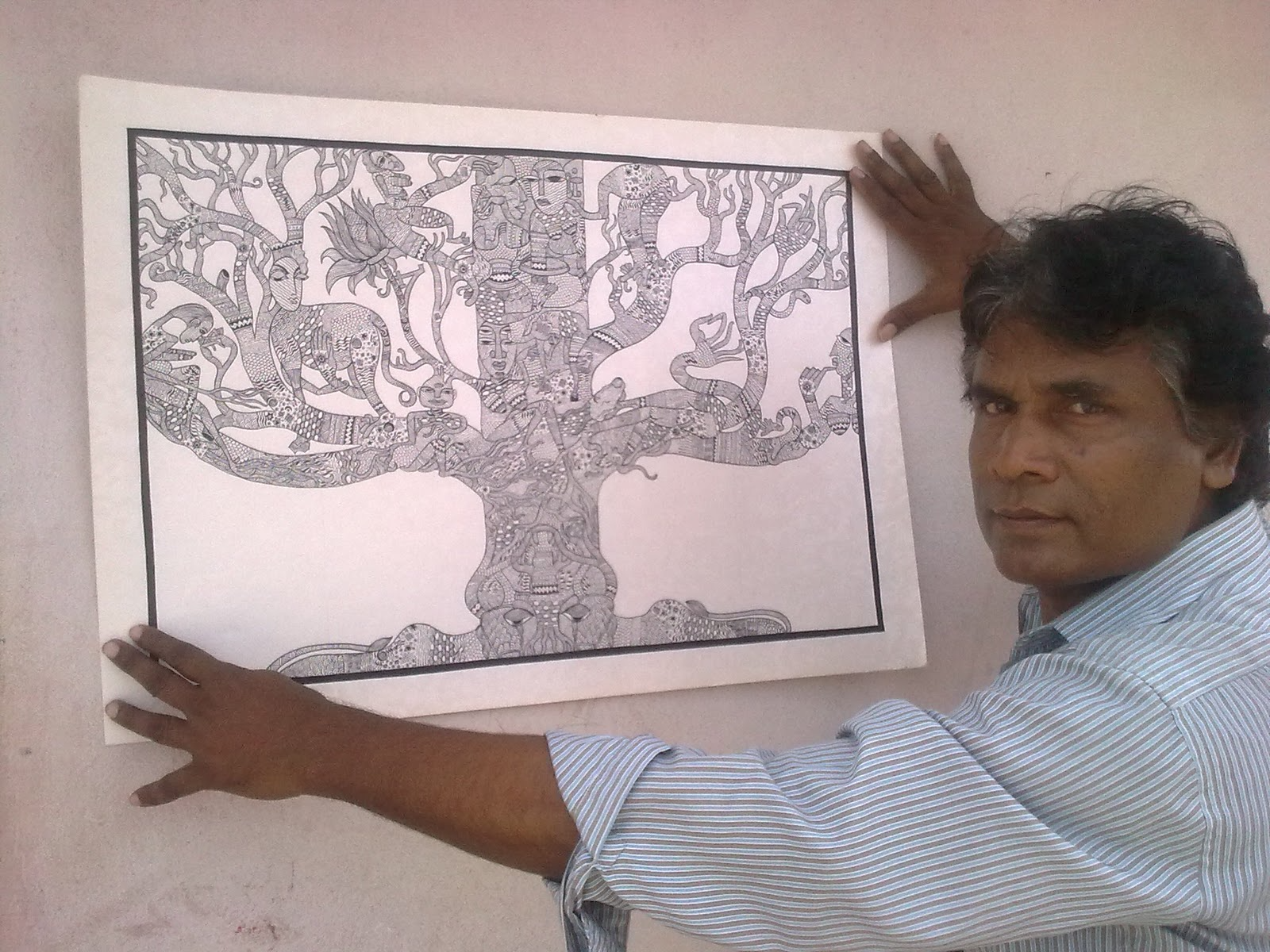
At a time when our forests and trees are threatened by extinction and extreme urbanization, traditional Saura painters have turned from using natural powders to acrylics with the aim of finding a viable outlet for their works. However, such work has more significance than ever today.
Like this article? Share it with your friends


