


Avni's Organic Pads: Empowering Women with Eco-Friendly Choices
Discover Avni's journey from a home-based initiative to a nationwide brand, offering organic, reusable sanitary pads that prioritize women's health and the environment.

Avni's Organic Pads: From Social Media to Global Impact
Many women around the world face discomfort during their menstrual cycles, and it's not just limited to painful cramps. Period products like sanitary pads use plastic layers and chemicals that can irritate women's skin, lead to infections, and affect their health in other ways. Popular brands claim to sell soft pads, but many of their products still contain plastic layers, which can cause discomfort, redness, burning, itching, and infections for some women. Sujata Pawar was one of those ladies who experienced discomfort during her periods. She learned that many ladies have this problem after speaking with friends and family.
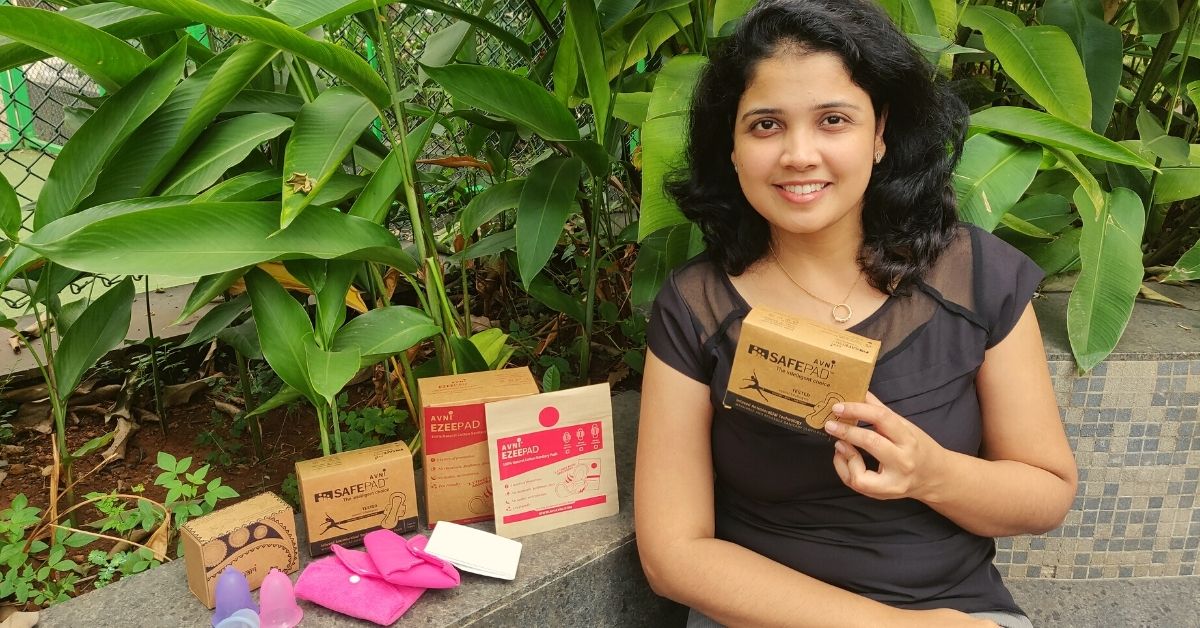
Sujata Pawar, from Thane district in Maharashtra, founded a startup company in August 2020 that produces organic and reusable sanitary pads. With eight years of experience in the pharmaceutical industry and an MBA, she has effectively grown her firm to serve not only the Indian market but also international ones such as Nepal, Singapore, and New Zealand. Her products are available for purchase both online and in person. Additionally, she has partnerships with about twenty-five major South Indian retailers where her items are offered. Sujata's initiative is not just a business endeavor but a step towards empowering women with healthier and environmentally friendly choices. She sells her products nationwide through her website as well as e-commerce platforms like Flipkart and Amazon. Sujata mentions that she receives around two to two and a half thousand orders every month. So far, she has connected with more than 10,000 customers.
How to Start: A Personal Struggle to Eco-Friendly Innovation with Avni
Sujata says that like any ordinary girl, she faced some difficulties with pads during her periods. In her early years, she used traditional cloth and cotton pads. However, as she grew older, went to college, and traveled across India, she had to start using commercial pads available in the market. Unfortunately, using these pads often led to health issues such as discomfort, irritation, and infections, making her menstrual cycle difficult to manage.
During the lockdown due to the COVID-19 pandemic, Sujata got some time to research and gather information about these pads. After studying them, she realized that the plastic and chemicals present in commonly used pads are not suitable for health. Women often face skin-related issues and infections after long-term use. This realization prompted Sujata to explore alternatives.
Sujata Pawar discovered that cotton, commonly used in rural areas, was an excellent material for sanitary products. She began by crafting organic cotton pads herself and was pleased with the results. Encouraged by this, she sent samples to her relatives and received favorable feedback. Motivated by their responses, Sujata conducted a pilot study with 1,000 women, which led to the development of the current version of her cloth pads.
During the development phase, however, Sujata encountered challenges. The pads took a long time to dry—up to two days—and there were health concerns regarding their reuse. Improper cleaning could potentially lead to infections. Determined to resolve these issues, she spent 2.5 years on research and development. By April 2021, Sujata had successfully launched her brand, Avni, offering reusable organic cotton pads that were both safe and effective.
Sujata later thought, 'If other girls and women face similar difficulties like me, why not create a better product for everyone?' Inspired by this thought, Sujata planned her startup. The idea for Avni was born from her realization that many women and girls shared her frustrations with existing sanitary products. She collaborated with a design partner to create a product that not only solved issues of leakage and drying time but was also environmentally friendly. Avni's pads are durable, reusable, long-lasting, and come in 100% recyclable packaging, reflecting Sujata's dedication to environmental preservation and good health.
Meaning of AVNI?
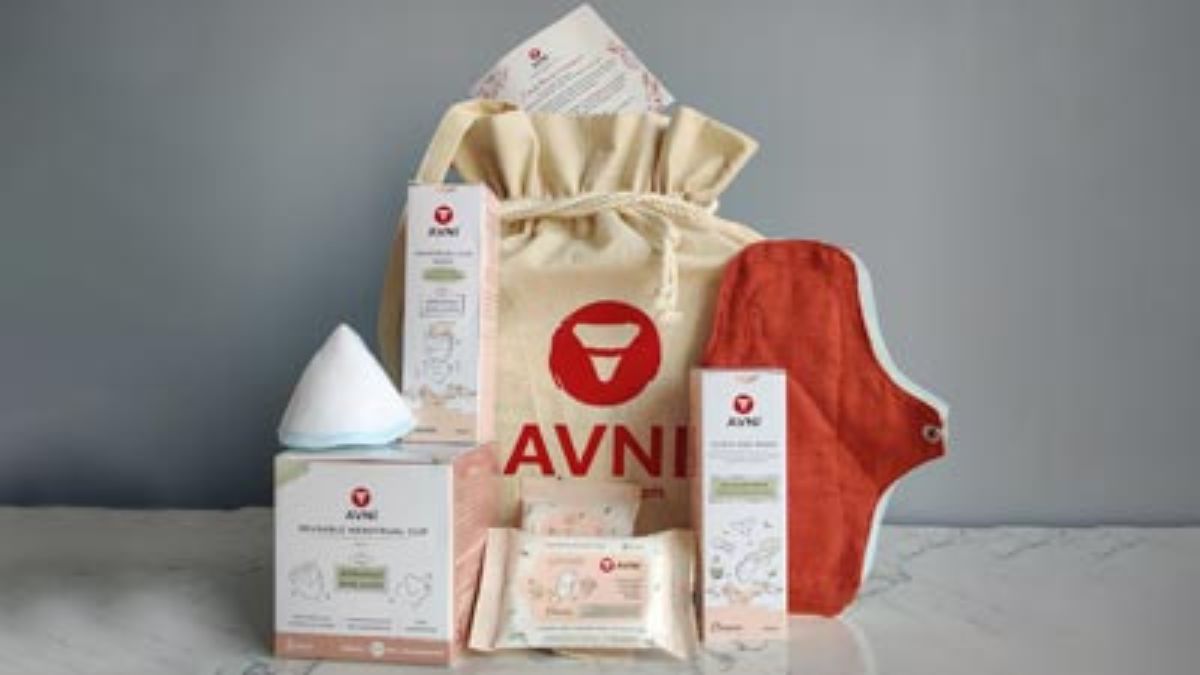
"Avni" means Mother Earth in Sanskrit, and the brand embodies this by honoring menstruation as a crucial part of femininity. "Mother Earth symbolizes femininity, and it's necessary to honor menstruation as an integral part of it," says the founder. Today, Avni is a well-known brand that develops menstrual products like sanitary pads, intimate wipes, and menstrual cups. These products are affordable, environmentally friendly, and crafted by rural Indian women, positioning Avni as a champion of women's welfare. The range includes various types of cotton pads, panty liners, intimate wipes, menstrual cups, and even a special liquid detergent for menstruation products. Avni takes pride in being India’s first and only brand to offer a range of seven sizes in its products, catering to a diverse set of needs.
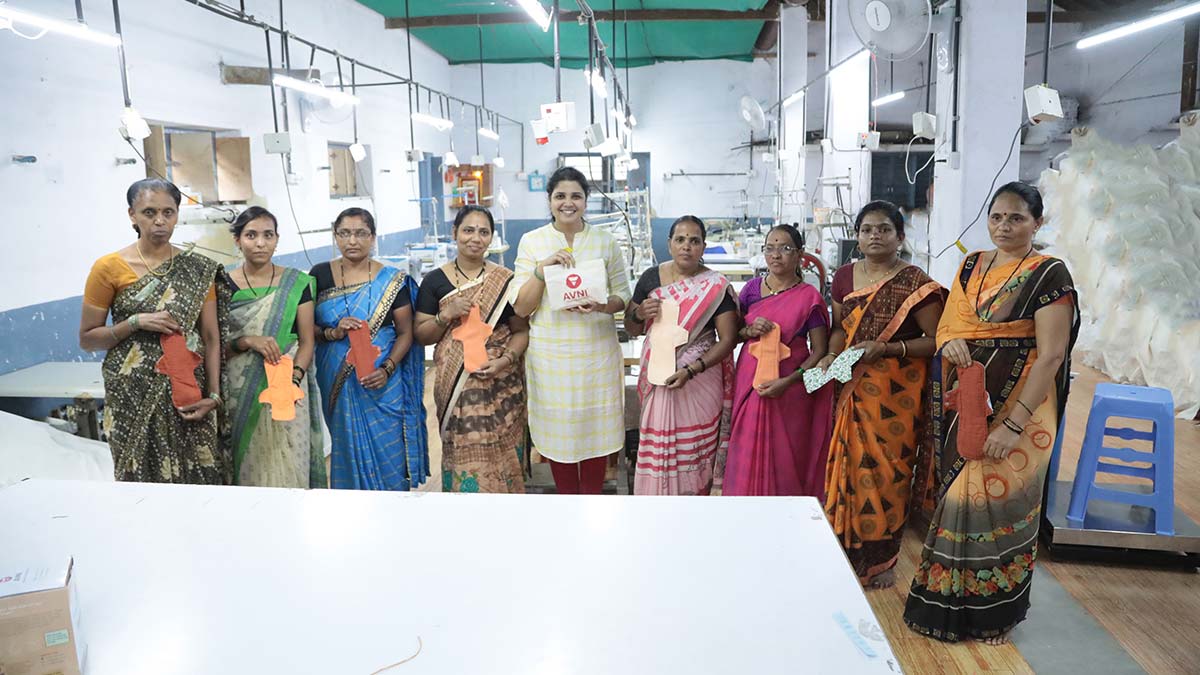
After starting the startup, Sujata quit her job and began focusing entirely on her work. For the first four to five months, she managed her business from home. When the demand from customers started increasing, she opened an office in Thane. Currently, around 30 people work there, mostly women who are involved in preparing the pads and packaging them.
Starting from Social Media to a Global Journey
Sujata initiated marketing through social media. She created pages on various social media platforms and began posting photos and videos of her products. This resulted in better responses. She contacted some health bloggers and sent them Avni products. After using them, these individuals wrote positive reviews. Additionally, she sent her products to some social media influencers. After using them, these influencers posted about the products on their accounts, which helped spread awareness about Avni products. Following this, orders started pouring in.
AVNI's cloth pads are made using anti-microbial technology, which keeps the fabric free from germs. The fabric is prepared in a way that prevents stains from sticking to it. After use during menstruation, they can be easily washed. A leak-proof layer on the bottom makes them suitable for everyday use. Made from cotton, each pad comes wrapped in a disposable bag for easy disposal after use. This makes it safer for sanitation workers too.
Avni's Diverse Range of Eco-Friendly Menstrual Products
Sujata and her team are currently developing three types of products. The first is an organic cotton pad made with three layers. It uses anti-microbial technology, costs 200 rupees, and can be reused for up to three years. It's easy to dry and can be cleaned like regular clothes, drying in three to four hours.
The second item is a single-use pad that costs 10 rupees. It is manufactured using environmentally friendly processes and packaging materials.
The third product is a menstrual cup made of silicone. Instead of absorbing blood, it collects it, and can be used for up to four years. Soon, the company will launch new products in menstrual care and intimate care ranges.
Their two products are manufactured in Maharashtra, while the third one is outsourced to Bangalore. They have their own unit in Maharashtra where women work to produce pads. To create employment opportunities in rural areas, every Avni product is made by women. Each cloth pad purchased by customers is carefully handcrafted by women from rural India. Sujata has partnered with several manufacturing companies to produce these products.
Empowering Women: Sujata's Outreach and Education on Menstrual Health
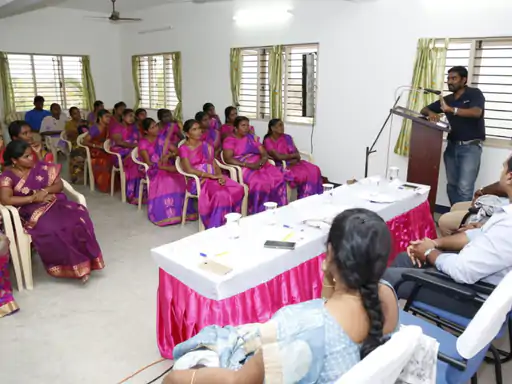
Sujata Pawar says, "People with periods should come forward and talk about their experiences. There's nothing shameful about discussing periods." To raise awareness, Sujata herself started making videos and posting them to educate people on how to use pads and the possible issues with certain types of pads. Sujata's team also organizes programs in different places to raise awareness among women. They also run a project called Avni Project D.A.G (Destroying Accessibility and Acceptance Gap), which covers a woman-led region every year to raise awareness about the challenges women face during menstruation. As part of their efforts to expand their scale, these workshops will also host discussions on the importance of menstrual health and the use of high-quality products. Eight percent of Avni's profits are dedicated to empowering women and girls through education and high-quality products.
Introducing India's First Menstrual Health Helpline by AVNI
AVNI has launched a helpline number called the Period Helpline, where women can call at +919930446364 to reach a designated 'Avnibadi' for any relevant information or assistance. Women can reach out, share their questions, and even speak to specialists about their concerns. Through chats or calls on WhatsApp, many women have found relief from painful menstruation and received necessary assistance.
Challenges and Environmental Impact of Women's Health Products in India
In recent years, India has seen a rise in startups making organic and eco-friendly sanitary pads. These products are popular among those who are aware of them, but they are not widely available in rural areas or to poorer communities, mainly due to a lack of awareness and higher costs.
The environmental impact of traditional sanitary products is significant. During her menstrual cycle, a single woman might produce as much as 125 kg of non-biodegradable trash from sanitary napkins. The 355 million women and teenage girls who use sanitary products monthly produce a substantial amount of garbage that may take hundreds of years to break down. This highlights the importance of switching to more sustainable menstrual products.
Like this article? Share it with your friends


